Bloom Style Logo Design Ideas
Bloom Style Logo Design brings a fresh and vibrant touch to branding, making it a go-to choice for businesses aiming to stand out. With an emphasis on natural elements and lively colors, these logos not only reflect growth and vitality but also enhance brand recognition. An effective logo is pivotal in creating a memorable marketplace presence, connecting with audiences on emotional and aesthetic levels.
Defining Characteristics of Bloom Style Logos
What makes Bloom Style logos so appealing? Here are some key features that define this beautiful design approach.
Color Palettes
Bloom Style logos often incorporate pastel and vibrant colors that evoke feelings of nature and growth. Think soft pinks, gentle greens, sunny yellows, and deep blues. These colors not only create an inviting look but also communicate warmth and creativity.
Imagine walking through a garden filled with blooming flowers; this sensory experience is what Bloom Style aims to replicate through its color choices. By effectively using color, your logo can instill confidence and positivity while representing your brand's essence.
Design Motifs
Floral patterns, organic shapes, and nature-inspired illustrations are the backbone of Bloom Style logos. These elements often tell a story about the brand, emphasizing themes of growth, renewal, and harmony.
Consider how a simple leaf can symbolize sustainability, or a flower can convey beauty and creativity. Incorporating these motifs into your logo invites customers to connect with your business on a personal level.
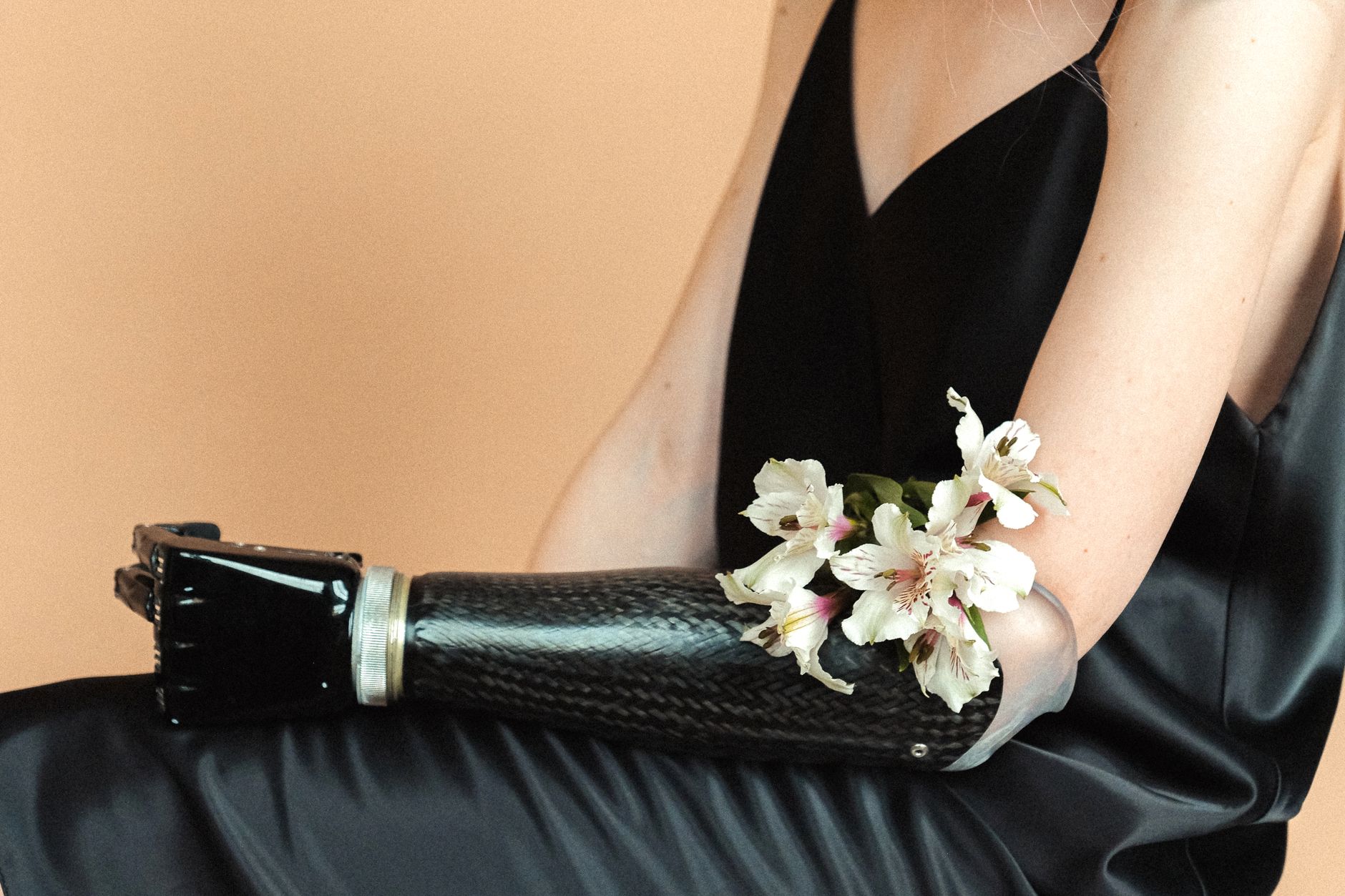
Photo by Anna Shvets
Typography Choices
The fonts used in Bloom Style logos often complement the organic and playful characteristics of the design. Playful scripts can add a casual touch, while clean sans-serifs create balance and modernity.
Choosing the right typography is essential. It should enhance the overall aesthetic of your logo while still being highly readable. The right choice can make your brand feel approachable and professional simultaneously.
Ideation Techniques for Bloom Style Logos
How do you bring your Bloom Style logo vision to life? Here are some practical ideas to help you brainstorm.
Brainstorming with Nature Themes
Nature is an endless source of inspiration. Spend some time outdoors, take photos of flowers, trees, and landscapes, or just observe the colors and shapes around you. This exercise can stimulate your imagination and help you create unique logo concepts that resonate with your audience.
Jot down your findings and try to incorporate these elements into your logo ideas. You might find that the contour of a leaf or the vibrant color of a flower beautifully represents your brand’s identity.
Use of Logo Maker Shop for Customization
The Logo Maker Shop is the perfect tool to help you customize your Bloom Style logo effortlessly. With countless templates and easy-to-use design features, you can experiment with various layouts, motifs, and colors until you find the perfect match for your brand essence. It’s like having your personal design studio right at your fingertips!
Iterate and Refine Designs
Creating a logo is not a one-step process. Gather feedback from peers, clients, or target audiences. Use their input to refine your design. Bloom Style logos require a delicate balance of creativity and clarity—sometimes, a small adjustment can elevate the overall impact.
Inspiring Examples of Bloom Style Logos
Seeing is believing. Here are some examples of successful Bloom Style logos that have made a significant impact.
Floral Logos in Branding
Look at brands that use floral logos effectively. Many cosmetic brands opt for floral designs because they resonate with beauty and femininity. Examine how the logos connect with consumers and enhance brand recognition.
For example, companies like "Benefit Cosmetics" and "The Body Shop" utilize floral motifs in their branding. Have you ever wondered why these elements are so effective? They grab attention and evoke a sense of trust and familiarity.
Innovative Techniques in Logo Creation
Recent innovations in logo design, such as the use of 3D effects and animation, can enhance Bloom Style logos. These techniques add depth and dynamism to otherwise flat designs, making them more engaging.
Experimenting with digital design tools allows you to incorporate movement or layered textures. This adaptability demonstrates your brand's modernity while honoring the natural elements that Bloom Style embraces.
Practical Tips for Designing Bloom Style Logos
To create your own Bloom Style logo, consider these actionable tips.
Simplicity and Versatility
One of the key principles in logo design is to keep it simple. A logo must be versatile, working well across various platforms, from business cards to social media profiles. When designing your Bloom Style logo, focus on a clean design that maintains its effectiveness in both large and small sizes.
Testing Your Logo
Before finalizing your design, test it in different formats and platforms. This ensures your logo looks great, whether it’s on a website, merchandise, or promotional materials. Make adjustments as needed without losing the essence of your Bloom Style design.
Conclusion
Bloom Style Logo Design Ideas center around vibrant colors, natural motifs, and playful typography, making them ideal for businesses looking to establish a fresh, creative identity. By integrating these elements with practical ideation techniques, you’ll set your brand apart in a memorable way. Bring your ideas to life with the Logo Maker Shop and let your creativity flourish. Don’t hesitate to explore and innovate—you’re on your way to creating a logo that truly represents your brand!

Michael Harper is a Senior Content Strategist at MarketInsider.co, a premier source for insights on digital marketing and business trends. With over 15 years of expertise in content development and strategic communications, Michael is renowned for his ability to craft compelling narratives that resonate with diverse audiences. He holds a Bachelor’s degree in Journalism from New York University and a Master’s degree in Business Administration from Columbia Business School. Outside of work, Michael is passionate about historical literature and enjoys hiking the trails of the Pacific Northwest.