Artisan Farmhouse Style Logo Design Ideas
Artisan farmhouse style logos embody a unique blend of rustic charm and modern branding. For businesses looking to connect with customers seeking authenticity, these logos can serve as a visual representation of quality and craftsmanship. Whether you're a small farm, a bakery, or a wedding planner, the right logo can set your brand apart. In this exploration of artisan farmhouse style logo design ideas, we'll break down key characteristics, ideation techniques, practical tips, and current trends that can inspire your creative journey.
Key Characteristics of Artisan Farmhouse Style Logos
Understanding the defining features of artisan farmhouse logos is essential. These characteristics not only enhance your design but also help convey the intended message of warmth and authenticity.
Rustic Aesthetics
Rustic design elements play a significant role in crafting artisan logos. Imagine weathered wood, hand-drawn details, or vintage motifs. These elements evoke nostalgia and the craftsmanship associated with rural life. Incorporating textures like grain patterns or soft backgrounds can add depth, creating a logo that feels both down-to-earth and artisanal.
Earthy Color Palettes
Earthy tones form the backbone of artisan farmhouse logos. Popular colors include soft browns, muted greens, warm creams, and gentle blues. These colors not only reflect the nature surrounding farms but also evoke feelings of comfort and stability. A palette infused with these hues connects your brand to its agricultural roots, fostering trust and relatability.
Organic Shapes
Shapes that mirror nature—like leaves, hills, or circular forms—create a connection between the logo and the environment. Organic shapes tend to soften the overall look, enhancing the logo's appeal. Think about how curvy lines can symbolize fields and harvests or how circles can represent community and togetherness. Using these shapes effectively helps convey your brand's values.
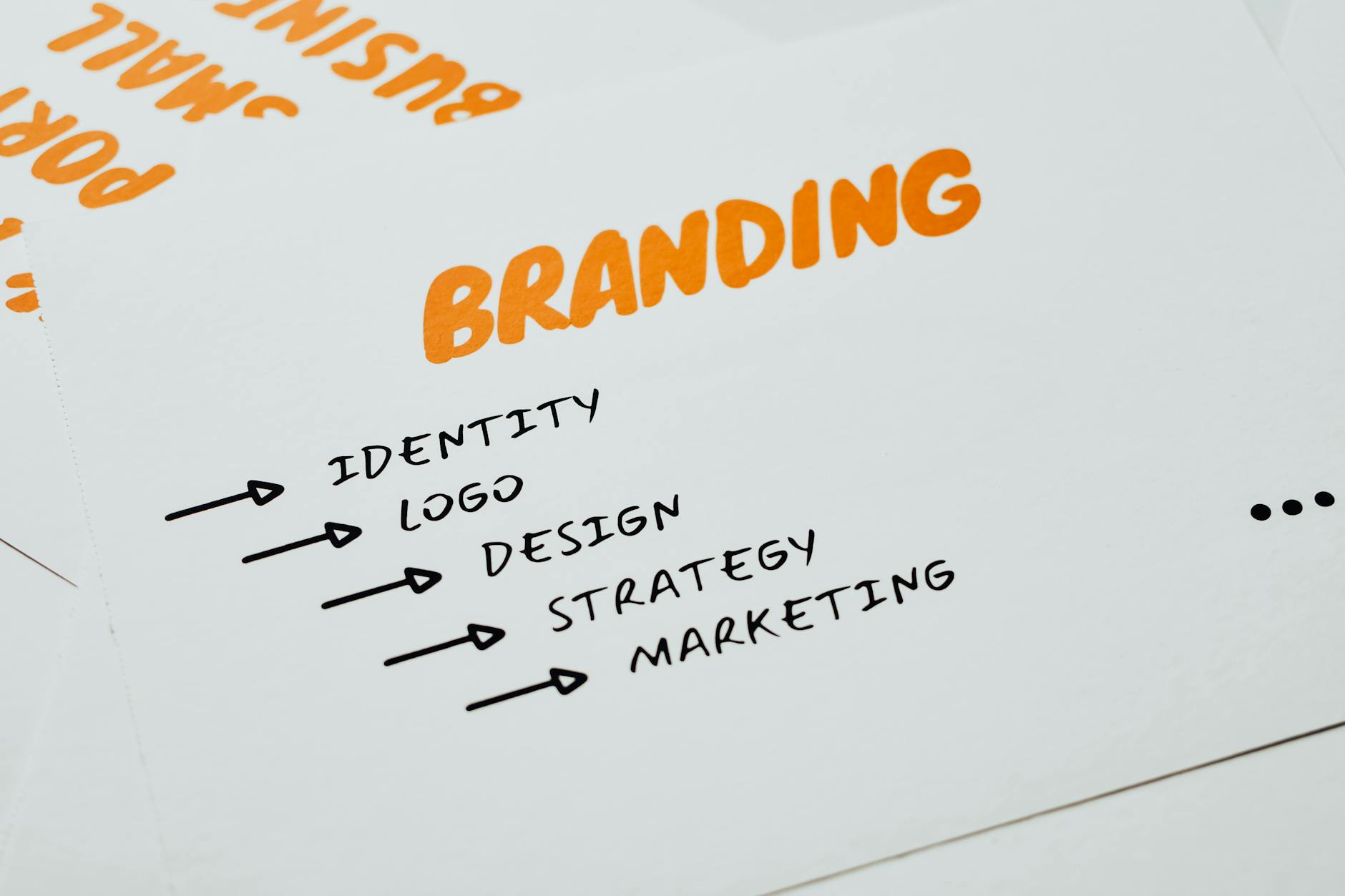
Photo by Eva Bronzini
Ideation Techniques for Logo Design
Now that you understand the key characteristics, it’s time to brainstorm and create your logo. Here are some actionable insights for the ideation process.
Sketching and Concept Development
Start with sketches to flesh out ideas. It doesn’t have to be perfect! Rough drafts allow you to explore various concepts and quickly iterate on designs. Keep your sketches simple; they're about capturing ideas rather than finalizing them. As you sketch, think about how various elements reflect your brand's identity.
Using Inspiration from Nature
Nature is a treasure trove of inspiration. Whether you’re gazing at a thriving farm or exploring a local market, observe the details around you. Can you find unique textures, shapes, or colors to influence your design? Take photos, collect samples, or jot down ideas that resonate with you. Use these elements as a foundation for your logo.
Researching Successful Case Studies
Examine successful farmhouse logos to draw inspiration. Look for patterns in design, color choices, and typography that resonate your vision. Analyze what makes these logos stand out. Are there specific elements that successfully embody the farmhouse aesthetic? Understanding what works for others can guide your design choices and spark fresh ideas.
Practical Tips for Design Execution
Once you've developed your ideas, the next step is to translate them into finished logos. Below are practical advices to help you execute your design effectively.
Choosing the Right Fonts
Selecting the right font can make or break your logo. Opt for fonts that echo the rustic aesthetic—think handcrafted or vintage styles. Ensure readability is a priority; a beautiful font should never compromise legibility. Combining serif fonts with softer script styles can often create a charming balance, infusing personality into your design.
Incorporating Visual Elements
Integrating images or symbols relevant to your theme can enhance your logo's appeal. Consider using motifs like wheat, barns, or tools that signify craftsmanship. These elements create a narrative around your logo, providing context about your brand without needing words. Strive for simplicity; the best logos are often the most straightforward ones.
Working with a Logo Maker Tool
Harnessing the power of a logo maker tool simplifies the design process. The Logo Maker Shop offers an array of templates specifically designed for artisan styles. With user-friendly features, you can easily customize your logo in minutes. This approach allows you to focus on creativity without getting bogged down in technicalities.
Inspiration and Trends in Logo Design
Keeping abreast of current trends in artisanal farmhouse logos helps you stay fresh while harnessing timeless elements.
Analyzing Modern Farmhouse Logos
Take a look at what's trending in the world of farmhouse logos. From minimalist depictions to intricate illustrations, understanding these trends can inform your design. Are there common themes? Do you see a rise in certain color palettes or design techniques? Use this knowledge to inform your choices while remaining true to your brand.
Creative Approaches and Techniques
Explore creative approaches that merge traditional elements with modern techniques. Experiment with layering textures or incorporating unexpected color combinations. Consider how digital design tools can enhance your creative process, allowing for more intricate designs and unique visual compositions.
Conclusion
Crafting a unique artisan farmhouse style logo is crucial for representing your brand's identity and values. By focusing on rustic aesthetics, earthy colors, and organic shapes, you can create a logo that resonates with your audience. Use ideation techniques and practical tips to translate your ideas into a polished design. Embrace current trends while fostering your creativity, and before you know it, you’ll have a logo that truly encapsulates your artisan spirit. Begin your design journey today and watch your brand flourish!

Michael Harper is a Senior Content Strategist at MarketInsider.co, a premier source for insights on digital marketing and business trends. With over 15 years of expertise in content development and strategic communications, Michael is renowned for his ability to craft compelling narratives that resonate with diverse audiences. He holds a Bachelor’s degree in Journalism from New York University and a Master’s degree in Business Administration from Columbia Business School. Outside of work, Michael is passionate about historical literature and enjoys hiking the trails of the Pacific Northwest.