Aerospace Navigation Industry Logo Design Ideas
In the ever-evolving aerospace navigation industry, logo design plays a crucial role in shaping a company's brand identity. A well-crafted logo is more than just a visual mark; it represents your values, mission, and the innovative spirit of your business. As you embark on creating a logo for your aerospace navigation company, understanding the nuances of effective design will set you apart.
Defining Characteristics of Aerospace Navigation Logos
When designing logos for the aerospace navigation sector, certain elements come into play that distinguish them from other industries.
Colors and Symbolism
Colors are powerful tools in logo design. In the aerospace sector, shades like blue, gray, and silver are often preferred. Blue evokes trust and reliability—qualities essential for navigation systems. Gray and silver add a sleek, modern touch, suggesting technology and professionalism. Choose colors that align with the values of your brand while resonating with your audience's expectations.
Typography Choices
The typography you select speaks volumes about your brand's personality. For aerospace navigation logos, sleek, modern fonts are key. They convey innovation and forward-thinking. Avoid overly decorative fonts that may distract from your message. Instead, focus on clear, legible typefaces that resonate with your corporate identity.
Imagery and Icons
Imagery plays a vital role in connecting with your audience. Incorporate aviation-related icons such as compasses, wings, or planes into your logo. These elements immediately signal your industry, helping potential clients to associate your brand with aerospace navigation. Such symbols not only emphasize your area of expertise but also impart a sense of movement and direction.
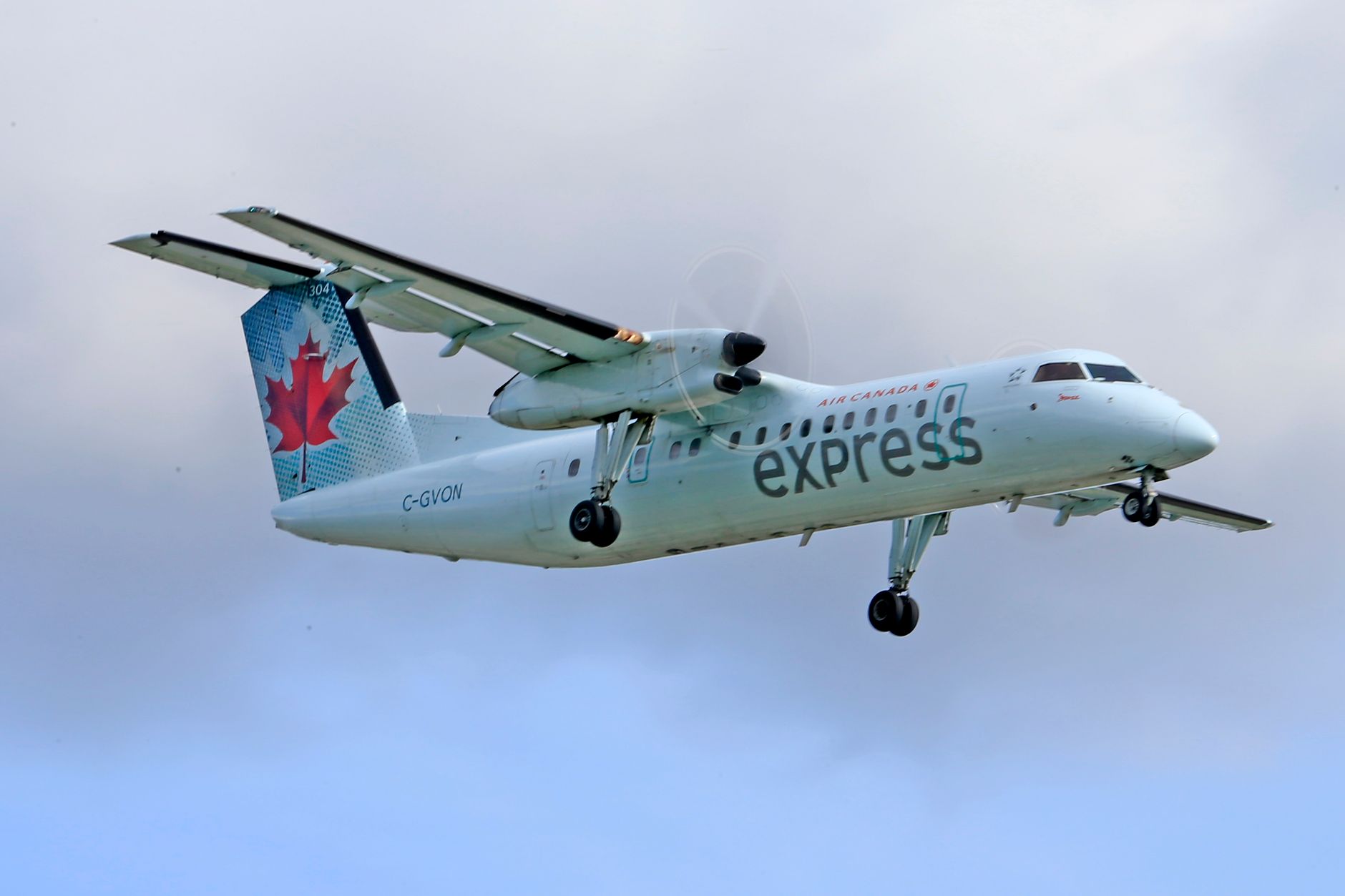 Photo by Jeffry Surianto
Ideation Techniques for Logo Creation
Creating a compelling logo doesn’t happen overnight. You need to journey through a few thoughtful steps to arrive at the perfect design.
Research and Inspiration
Start your design process by exploring existing aerospace logos. Investigate what has worked well for successful companies in the field. Make notes on what you enjoy about their designs, but remember: originality is vital. You want your logo to stand out in a crowded market.
Sketching Concepts
Before jumping into digital design, sketching your ideas can help visualize your concepts. Don’t be afraid to brainstorm multiple iterations. This phase allows you to play with various shapes, colors, and arrangements without the confines of software.
Utilizing Logo Maker Shop Tools
One of the easiest ways to transform your ideas into a professional logo is through the Logo Maker Shop. With its user-friendly interface, you can create custom logos quickly and conveniently. Check out their resources for step-by-step guidance on creating unique logos that reflect your brand.
Current Trends in Aerospace Navigation Logo Design
As you dive deeper into the world of logo design, keeping an eye on the latest trends can inspire your creative process.
Minimalism and Simplicity
One of the noticeable shifts in design is towards minimalism. Clean and simple logos enhance recognizability and make a lasting impression. Consider how major brands have streamlined their logos over the years; simplicity often leads to stronger brand recall.
Geometric Shapes
Geometric patterns are increasingly popular in the aerospace industry. These shapes symbolize precision and cutting-edge technology, aligning perfectly with the sector’s focus. You can experiment with circles, triangles, and lines to create a unique, recognizable logo.
Case Studies of Successful Aerospace Logos
Look to successful companies for inspiration. Analyzing their logos can provide valuable insights into effective design.
Company A: Navigating the Skies
Take a look at this company's logo, which uses a stylized airplane combined with a compass. This design effectively conveys their mission to provide navigational support. The choice of blue and white reinforces trust and clarity, cementing their position in the industry.
Company B: Pioneers of Innovation
This logo showcases an abstract wing with a forward-slanting design, suggesting motion and progress. The use of silver lends a modern feel, aligning with the company’s cutting-edge technologies. Such visual storytelling speaks volumes about a brand's commitment to innovation.
Practical Tips for Designing Aerospace Navigation Logos
To create a truly impactful logo, follow these essential dos and don'ts.
Ensure Versatility
Your logo should look great on various mediums, from business cards to billboards. Opt for designs that maintain their integrity across different sizes and applications. Consider how your logo appears in monochrome and color, ensuring clarity in all formats.
Seek Feedback Early
Don't hesitate to share your designs with peers and potential customers. Seeking feedback during the design process can reveal insights you might not have considered. This collaborative approach can refine your logo into something that truly resonates with your audience.
Conclusion
Thoughtful design is central to success in the aerospace navigation industry. Your logo is often the first impression potential clients will have, so it should reflect the qualities of reliability, innovation, and professionalism. Start your logo design journey with confidence. Explore the tools available at Logo Maker Shop and let your creativity soar.
Final Thoughts on Aerospace Navigation Logo Design
With these insights in mind, you are now better prepared to tackle logo creation. Embrace the process, and don’t shy away from experimenting until you find the one that truly represents your vision. Now’s the time to bring your ideas to life!

Michael Harper is a Senior Content Strategist at MarketInsider.co, a premier source for insights on digital marketing and business trends. With over 15 years of expertise in content development and strategic communications, Michael is renowned for his ability to craft compelling narratives that resonate with diverse audiences. He holds a Bachelor’s degree in Journalism from New York University and a Master’s degree in Business Administration from Columbia Business School. Outside of work, Michael is passionate about historical literature and enjoys hiking the trails of the Pacific Northwest.