Aerospace Component Industry Logo Design Ideas
In the fast-paced and highly specialized aerospace component industry, logo design plays a pivotal role in shaping brand identity and perception. An effective logo doesn't just look good; it's a visual representation of your commitment to quality and innovation in a field where precision is paramount. A thoughtfully designed logo can inspire confidence and convey your company’s values.
Understanding the Aerospace Component Industry
The aerospace component industry is unique, characterized by its intricate technologies and stringent regulations. Logos designed for this sector must resonate with the specific needs and complexities of the industry.
Industry Characteristics and Trends
The aerospace sector is experiencing a surge in technological advancements, including automation and eco-friendly manufacturing practices. Current trends reveal a growing emphasis on sustainability and digital innovation. As aerospace designs become sleeker and more efficient, your logo should mirror these advancements.
For instance, consider how many companies are investing in lightweight materials and AI-driven solutions. When designing your logo, think about how these elements can be integrated visually, attracting stakeholders who prioritize innovation.
Target Audience in Aerospace
Your logo must appeal to key stakeholders: manufacturers, suppliers, regulatory bodies, and end consumers. Each audience segment has different expectations. Manufacturers might look for a logo that communicates robustness, while end users may appreciate a design that emphasizes safety and reliability. Understanding your audience helps shape a logo that engages and resonates with them on a deeper level.
Key Characteristics of Effective Aerospace Logos
Creating a memorable aerospace logo involves understanding its essential characteristics. Here are some crucial elements to consider during the design process.
Simplicity and Clarity
A logo must be simple to be effective. Complex designs can confuse or distract from the intended message. Clarity ensures that your brand is easily recognized. Think of the sleek designs in the aerospace industry—less is often more.
Symbolism in Aerospace Logos
Your logo should incorporate specific symbols relevant to aerospace components, such as wings, engines, or gears. These elements embody the industry's essence and communicate professionalism and expertise. For example, a logo featuring a stylized propeller can evoke speed and innovation, instantly connecting with your audience’s aspirations.
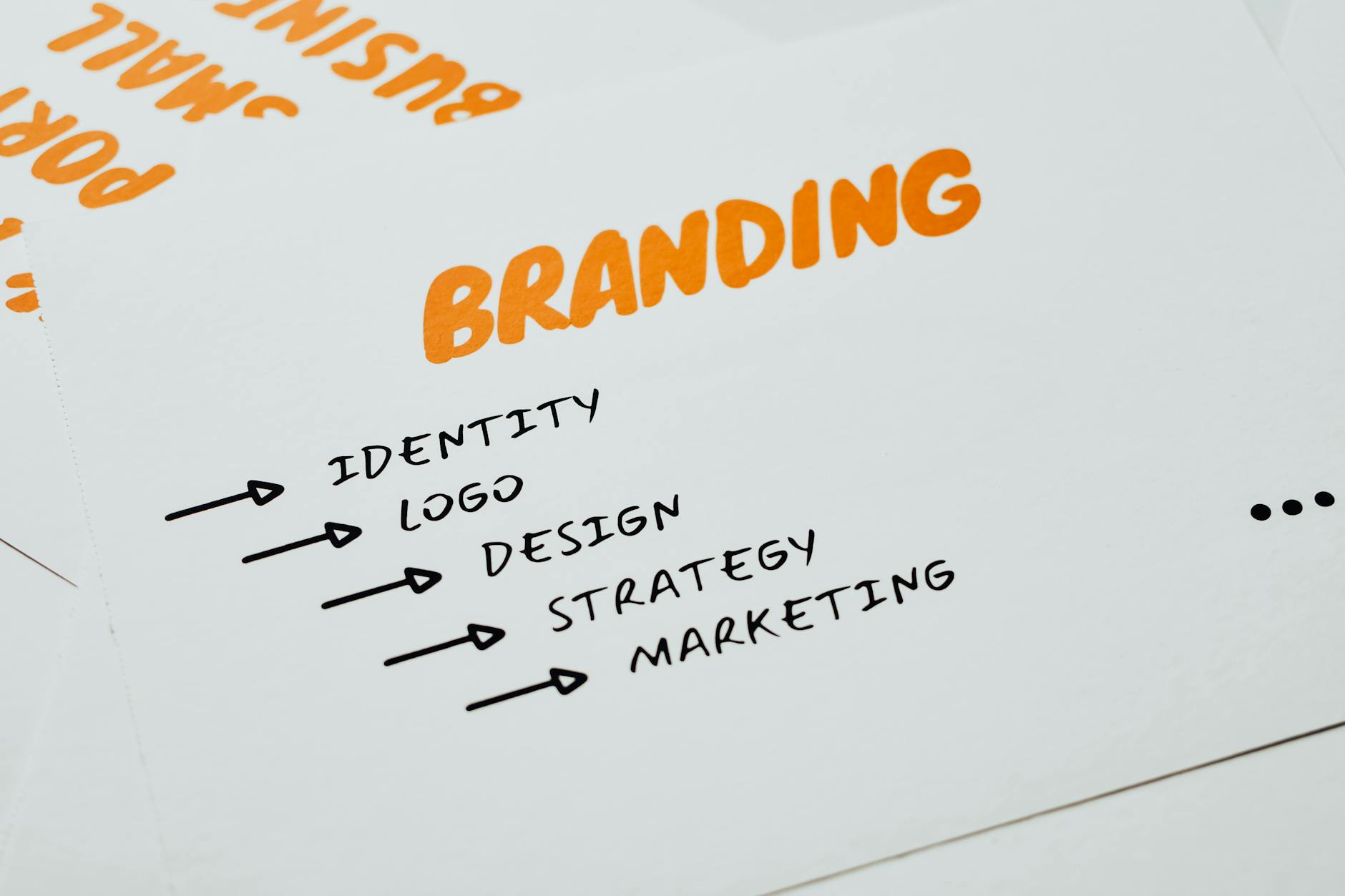 Photo by Eva Bronzini
Color Psychology in Aerospace Branding
Color significantly impacts how a logo is perceived. Blue often symbolizes trust and reliability, making it a popular choice in aerospace. Green can represent innovation and sustainability, which is becoming increasingly relevant. Choose a color scheme that aligns with your brand's values and the emotions you want to evoke.
Aerospace Component Industry Logo Design Ideas
Now that you understand the characteristics that make an effective logo, let’s discuss some actionable insights for designing logos tailored to the aerospace component industry.
Brainstorming Techniques for Logo Ideas
Brainstorming is crucial for generating unique logo concepts. Start by listing keywords that relate to your business and audience. Engage in mind mapping to visualize connections between themes, such as technology and safety. This exercise can surface fresh ideas for your logo design.
Successful Case Studies in Aerospace Logo Design
Look to successful aerospace companies for inspiration. For instance, Boeing's logo effectively conveys elegance and professionalism with its simple yet powerful design. Analyze what makes these logos work—consider their simplicity, symbolism, and color choices. Use these elements as starting points for your own unique logo.
Innovative Design Approaches
Don’t shy away from thinking outside the box. Accept the challenge of incorporating modern design techniques, such as minimalist aesthetics or retro styles. Consider dynamic logos that create a sense of movement, reflecting the aerospace industry’s focus on progress and innovation.
Utilizing Logo Maker Shop for Design Needs
When it comes to creating a logo, the Logo Maker Shop provides an excellent platform to customize your designs efficiently.
Features of Logo Maker Shop
Logo Maker Shop offers a variety of templates specifically tailored to different industries, including aerospace. The user-friendly interface allows for easy customization, enabling you to adjust colors, fonts, and icons to fit your brand's identity perfectly.
Step-by-Step Guide to Create a Logo
Creating your aerospace logo through Logo Maker Shop is simple. Here’s a quick guide to get started:
- Visit Logo Maker Shop.
- Choose a template relevant to your industry.
- Customize elements like font, color, and layout.
- Preview the design and make adjustments as needed.
- Download your finished logo in various formats.
For a deeper dive into creating logos, you can refer to this step-by-step guide.
Conclusion and Call to Action
In summary, a well-designed logo is crucial for brand success in the aerospace component industry. By understanding industry characteristics, audience needs, and effective design principles, you can create a compelling logo that stands out. Utilize Logo Maker Shop to bring your creative ideas to life, making logo design a captivating experience.
Final Thoughts: Harness these insights to elevate your brand identity through effective logo design. Explore the tools and techniques available to ensure your logo captures the essence of your business in the aerospace sector. Happy designing!

Michael Harper is a Senior Content Strategist at MarketInsider.co, a premier source for insights on digital marketing and business trends. With over 15 years of expertise in content development and strategic communications, Michael is renowned for his ability to craft compelling narratives that resonate with diverse audiences. He holds a Bachelor’s degree in Journalism from New York University and a Master’s degree in Business Administration from Columbia Business School. Outside of work, Michael is passionate about historical literature and enjoys hiking the trails of the Pacific Northwest.