Adaptive Reuse Industry Logo Design Ideas
Adaptive reuse is a transformative process that breathes new life into existing structures, repurposing them for modern needs while respecting their historical significance. This concept is not only vital to sustainable architecture but also holds a unique place in logo design. By representing the adaptive reuse industry, logos must encapsulate themes of sustainability, innovation, and historical reflection. Here’s how to craft an impactful logo that reflects these ideals.
Key Characteristics of Adaptive Reuse Logos
When creating logos for the adaptive reuse industry, it's essential to incorporate specific characteristics that resonate with the values of this sector. These logos reflect the dual nature of old and new, making them stand out in a crowded marketplace.
Sustainability and Innovation
At the heart of adaptive reuse is sustainability, a principle that should shine through in your logo design. Think about how your logo can convey eco-friendliness; perhaps it incorporates a recycling symbol or natural imagery. Innovative designs can capture the spirit of transformation, showcasing how old structures can evolve into something modern and functional without losing their essence.
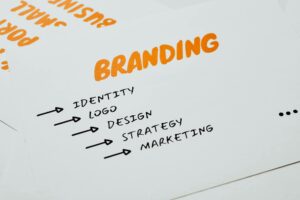
 Photo by ready made
Historical Reflection
Logos can also echo the historical context of the buildings or structures they represent. Using elements that hint at the past while intertwining them with modern aesthetics can effectively tell a story. For example, old typographic styles or classic motifs can be integrated into a fresh design that expresses a connection to history.
Design Principles for Adaptive Reuse Logos
Crafting an effective logo requires attention to several design principles that ensure clarity and versatility.
Simplicity and Versatility
A logo should be simple yet versatile. This means it can adapt to various applications—from business cards to large banners—without losing its impact. Strive for a clean design that captures your brand message without overwhelming the viewer. Simplicity helps in making logos memorable.
Color and Typography Choices
Color palettes are pivotal in logo design for the adaptive reuse industry. Earthy tones like greens and browns can communicate sustainability, while bold colors can reflect innovation. Typography should also align with your brand’s message; consider using modern fonts with a classic touch, mirroring the blend of old and new inherent in adaptive reuse.
Successful Case Studies in Adaptive Reuse Logo Design
To inspire your design process, let’s look at successful logos from notable adaptive reuse projects.
Case Study 1: Judson Mill Branding
The Judson Mill branding system is an excellent example of adaptive reuse values in action. This logo reflects the mill's rich history while emphasizing its transformation into a modern multifunctional space. The design incorporates industrial elements paired with contemporary typography, representing the mill's journey toward innovation.
Case Study 2: Community Outreach Center
Another striking example is the logo developed for a community outreach center. This logo focuses on sustainability and historical significance, using a warm color palette that invites inclusivity while respecting the local architecture’s historical roots. The design features elements that reflect the types of community engagement initiatives being supported.
Ideation Techniques for Your Logo Design
Brainstorming can be daunting, but there are practical techniques to help you generate impactful logo ideas.
Mind Mapping and Sketching
Start with mind mapping. Write down keywords associated with your brand and branch out ideas from there. Once you have a clearer picture, sketch preliminary designs based on these concepts. This process allows for free-flowing creativity and can lead to unexpected yet exciting design elements.
Inspiration from Nature and History
Look for inspiration in nature and historical contexts. The colors and textures found in nature can enhance your design’s sustainability aspect. Additionally, researching historical motifs can lead to innovative ways of incorporating them into modern logo designs.
Trends in Adaptive Reuse Logos
Staying updated on current trends in logo design can give your project a refreshing edge.
Minimalism and Clean Aesthetics
A prevailing trend in logo design is minimalism. Simple designs are not only visually appealing but also convey clarity. Adaptive reuse logos benefit from clean aesthetics, as they effectively communicate the brand’s message without unnecessary clutter.
Integration of Modern and Classic Elements
Another current trend is the integration of modern and classic elements. This blend reflects the very essence of adaptive reuse. By harmonizing contemporary design with traditional elements, logos can effectively symbolize the dual nature of adaptive reuse projects.
Conclusion and Call to Action
In the realm of adaptive reuse, a thoughtfully designed logo is more than just a visual mark; it crystallizes the narrative of innovation and sustainability. As you embark on your logo design journey, remember to embrace the principles and trends that speak to the adaptive reuse ethos. To assist you in creating a logo that embodies these ideals, utilize the tools available at Logo Maker Shop. This platform offers a user-friendly interface to help you design logos that are not only impactful but also resonate with the values of your brand. Start your design journey today and pave the way for a future that respects the past while fostering innovation.

Michael Harper is a Senior Content Strategist at MarketInsider.co, a premier source for insights on digital marketing and business trends. With over 15 years of expertise in content development and strategic communications, Michael is renowned for his ability to craft compelling narratives that resonate with diverse audiences. He holds a Bachelor’s degree in Journalism from New York University and a Master’s degree in Business Administration from Columbia Business School. Outside of work, Michael is passionate about historical literature and enjoys hiking the trails of the Pacific Northwest.