Acute Kidney Injury Industry Logo Design Ideas
Creating a logo in the healthcare sector, particularly for acute kidney injury (AKI), is more than just designing a pretty picture. It's about conveying trust, professionalism, and a clear message to patients and stakeholders alike. The importance of a strong logo can propel your brand to the forefront in this essential industry.
Understanding the Importance of Logo Design in Healthcare
When you look at the healthcare industry, logos serve as a crucial element in establishing identity. They aren't just visuals; they're representations of trust and care, especially in fields as critical as kidney health.
Trust and Professionalism
In healthcare, trust is paramount. Patients need to feel assured that the clinic or service they are considering is professional and reliable. A well-designed logo can be pivotal in establishing that trust. Think of your logo as a handshake; it sets the tone of the conversation before any words are exchanged. If your logo looks polished and professional, it makes patients more likely to trust your service.
Brand Identity and Recognition
In an industry crowded with competitors, a distinctive logo helps you stand out. Your brand identity is what makes people remember you. When someone sees your logo, they should instantly associate it with high-quality kidney care. A recognizable brand identity can lead to increased patient loyalty, which is vital for any healthcare operation.
Key Characteristics of Effective Acute Kidney Injury Logos
Your logo should embody certain qualities to effectively represent the acute kidney injury sector.
Symbolism and Relevance
Using elements related to health and kidneys is essential. Think of incorporating symbols like kidneys or medical crosses. Such imagery instantly communicates what your service is about, creating a clear connection that attracts your target audience.
Color Psychology
Colors have a profound impact on perception. In healthcare, shades of blue and green convey trust and serenity. Red can mean urgency or caution, while softer hues can exude empathy and compassion. Choosing the right color palette not only makes your logo visually appealing but also evokes the desired emotional response from patients.
Simplicity and Clarity
Less is often more. Your logo should be simple and easily recognizable. A complicated design can confuse potential clients and detract from your message. Think about the most iconic logos — they often have straightforward designs that anyone can recognize at a glance.
Logo Ideation Techniques for the Acute Kidney Injury Sector
Creating a logo doesn't have to be a daunting task. Here are some practical techniques you can use to brainstorm your acute kidney injury logo ideas.
Research and Inspiration
Start by exploring existing logo designs in the healthcare sector. This can spark ideas and help you identify what works and what doesn’t. Websites like Shutterstock and Pinterest have numerous collections of healthcare logos that can provide both inspiration and understanding of current trends. For example, Acute Kidney Injury Projects on Behance showcase a range of creative interpretations tailored to the industry.
Sketching and Prototyping
Grab some paper and start sketching. No pressure, just let your ideas flow. Even rough sketches can help visualize how your logo might look. Prototyping your favorite concepts digitally can give you a better feel for what works aesthetically.
Feedback and Iteration
Don't forget to gather opinions from others. Share your designs with trusted colleagues or potential clients to get their input. Iteration is essential; every piece of feedback can help refine your design until it accurately reflects your branding intentions.
Inspiring Case Studies in Acute Kidney Injury Logo Design
Looking at successful examples can provide great insights.
Innovative Logos in Healthcare
Logos in healthcare aren't merely about aesthetics; they tell a story. Take, for instance, the logo of a well-known renal care organization that cleverly integrates a kidney shape into a heart, showcasing compassion and care. Such logos effectively communicate their core values and missions.
Comparative Analysis
When you compare different logos within the healthcare sector, analyze how each conveys its message. For instance, a logo using a heartbeat line intertwined with a kidney shape visibly represents health and life. This kind of meaningful design can increase emotional connections with patients.
Creating Your Logo with Logo Maker Shop
When the time comes to create your logo, the Logo Maker Shop is your go-to tool.
Step-by-Step Process
Creating a logo with Logo Maker Shop is straightforward. Select a relevant template, customize colors and fonts, and don't hesitate to tweak until it feels just right. The platform guides you through each step, ensuring the process is smooth.
Customization Options
One of the significant advantages of using Logo Maker Shop is the extensive customization options available. You can change the font styles, colors, and even add unique symbols to tailor the design to your brand's identity effectively. This flexibility allows you to create a logo that stands out in the acute kidney injury sector.
Conclusion
A well-thought-out logo is essential for creating a lasting impression in the acute kidney injury industry. It embodies trust, professionalism, and clarity, making it a key component of your brand identity. Follow the steps outlined here, and remember that tools like the Logo Maker Shop can transform your ideas into reality. Start brainstorming today, and you'll be on your way to creating an impactful logo that resonates with patients and stakeholders alike.
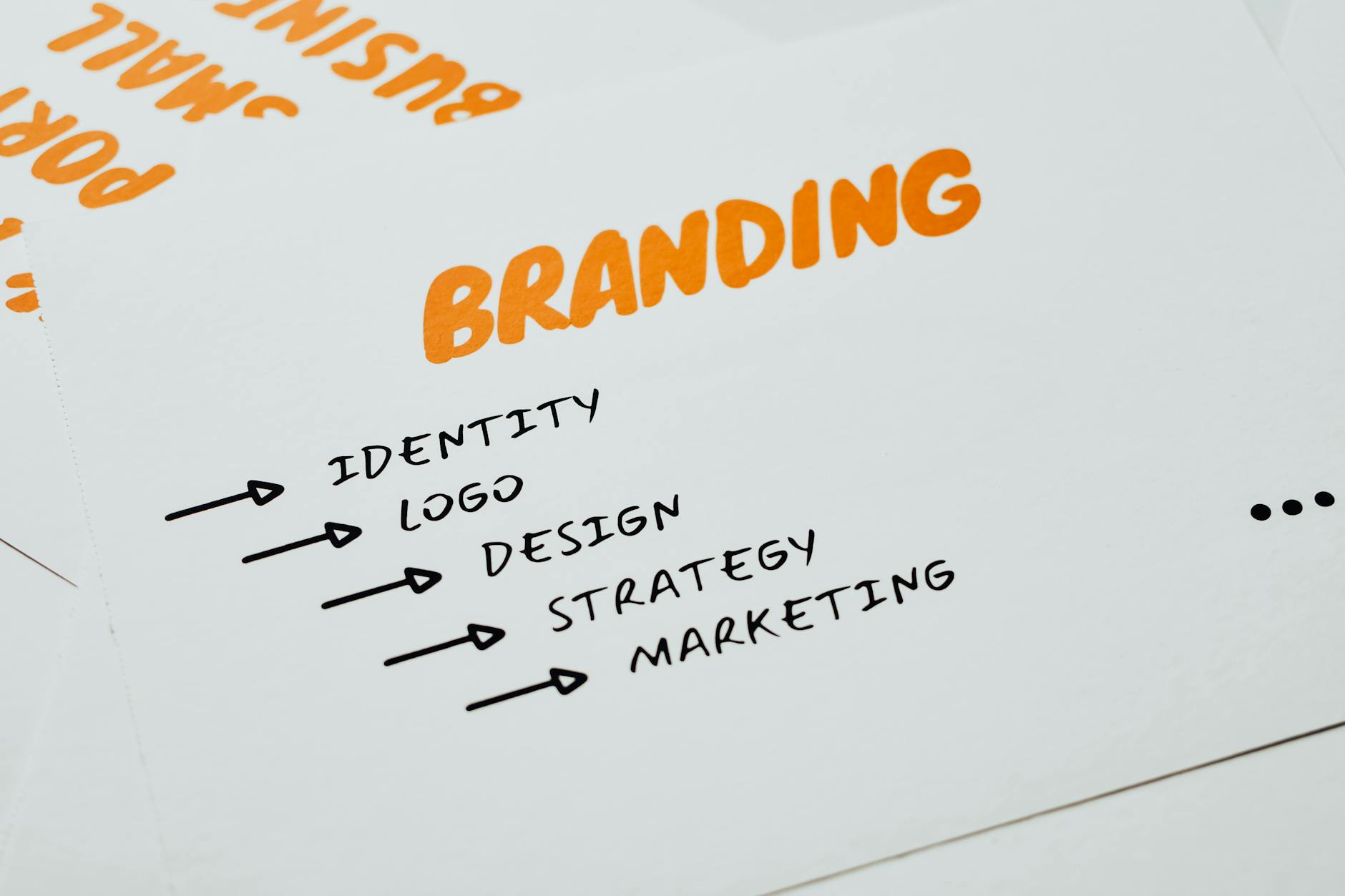
Photo by Eva Bronzini

Michael Harper is a Senior Content Strategist at MarketInsider.co, a premier source for insights on digital marketing and business trends. With over 15 years of expertise in content development and strategic communications, Michael is renowned for his ability to craft compelling narratives that resonate with diverse audiences. He holds a Bachelor’s degree in Journalism from New York University and a Master’s degree in Business Administration from Columbia Business School. Outside of work, Michael is passionate about historical literature and enjoys hiking the trails of the Pacific Northwest.