Creating a Logo for Your Tax Audit Industry
A well-designed logo is not just a pretty picture. It's the cornerstone of your brand identity, especially in a field like tax auditing, where trust and professionalism are paramount. Whether you're starting your own business or looking to refresh an existing one, a memorable logo can make all the difference. The good news? You don’t have to hire a designer. With the Logo Maker Shop, you can create a logo that reflects your vision without breaking the bank.
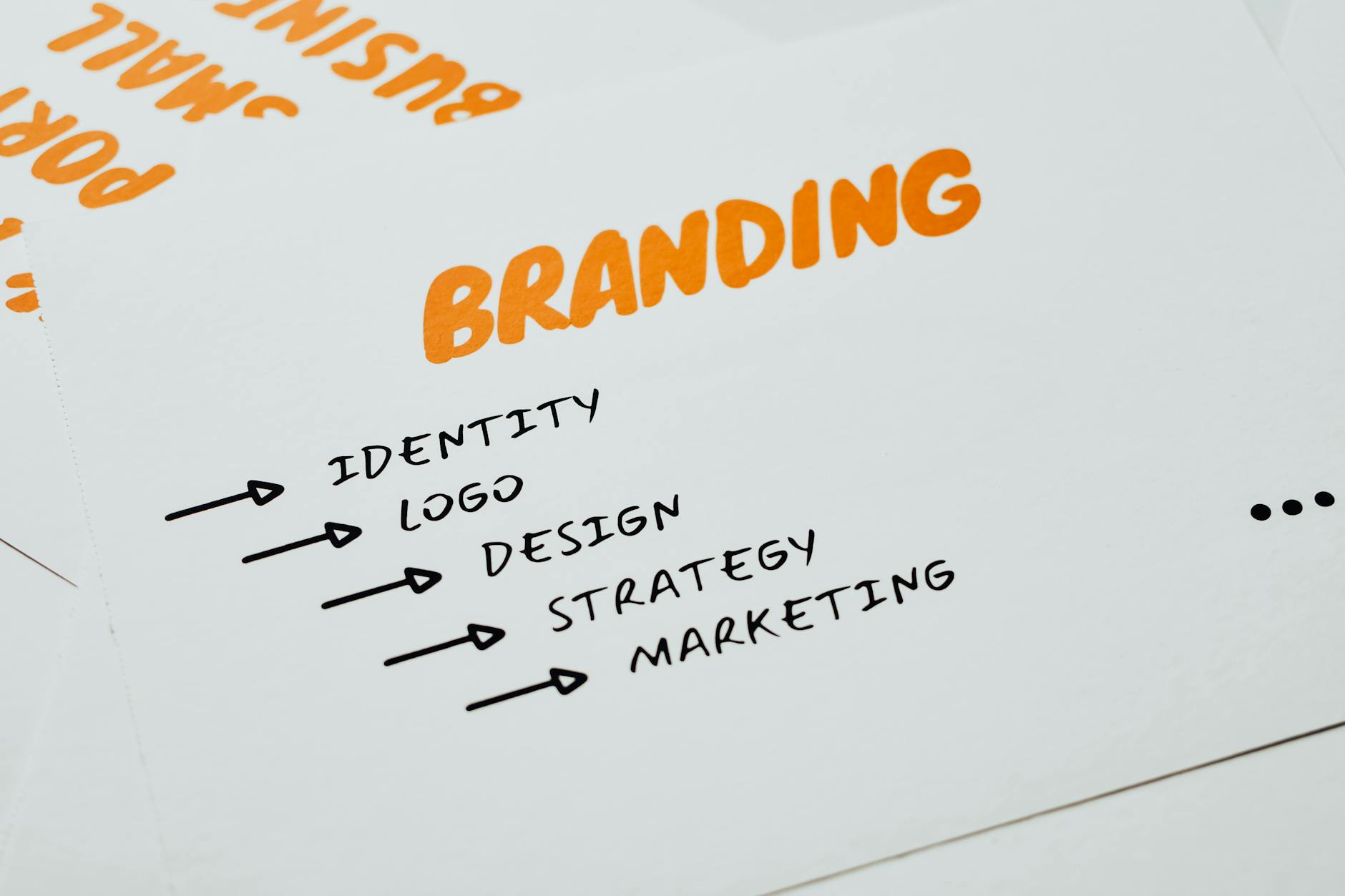 Photo by Eva Bronzini
Understanding Your Brand Identity
Before diving into the design process, it's essential to understand your brand identity. This includes your values, mission, and target audience. Think of your logo as a visual ambassador for your business that communicates your core principles.
Defining Tax Audit Industry Values
In the tax audit industry, values like trust, accuracy, and professionalism are non-negotiable. Your logo should communicate these traits clearly. For example, using solid, reliable fonts and a clean design can evoke feelings of stability and credibility—attributes that clients look for when choosing a tax audit service.
Identifying Your Target Audience
Next, consider who your clients are. Are they small business owners, individuals preparing their own taxes, or corporate entities? Understanding your audience will guide your design choices, helping you create a logo that resonates with potential clients. Doing so establishes an emotional connection, making your service feel more approachable.
Finding Inspiration for Your Logo
Great logos don’t just appear; they evolve from a mix of inspiration and strategic thinking.
Researching Competitor Logos
Start by researching competitor logos in your industry. What colors do they use? What symbols are common? Analyze what works and what doesn’t. This will help you avoid common pitfalls and identify opportunities to stand out.
Creating a Mood Board
Consider making a mood board—an inspirational collage that reflects your brand identity. You can include colors, shapes, and even logos that resonate with you. This visual aid will clarify what you want and serve as a guide throughout the design process.
Choosing the Right Logo Style
Now, it’s time to choose a logo style that fits your industry.
Minimalist vs. Detailed Designs
Minimalist logos often have a timeless appeal, using fewer elements to create a clear message. A detailed design might convey professionalism through intricate elements and text. Consider the pros and cons of both styles. Minimalist logos are often easier to recognize, while detailed logos can communicate your industry expertise.
Symbolism in Tax Audit Logos
Consider incorporating symbols related to finance, accuracy, or trustworthiness in your logo. For example, using a shield can symbolize protection and reliability, key attributes in the tax audit industry.
Using the Logo Maker Shop for Design
With your brand identity and inspiration in mind, it’s time to create your logo using the Logo Maker Shop.
Step-by-Step Logo Creation Process
- Choose a Template: Start by selecting a template that aligns with your vision and industry.
- Customize Your Design: Adjust colors, fonts, and layout to reflect your brand identity.
- Add Finishing Touches: Include any symbols or additional text to enhance your logo.
- Preview Your Logo: Look at how your logo appears on different media, such as business cards or websites.
Customizing Your Design
One of the best features of the Logo Maker Shop is its flexibility. Personalize templates to align with your vision using a variety of colors, fonts, and symbols. This is your chance to create something that’s uniquely yours.
Color Psychology in Logo Design
Colors evoke emotions. Therefore, choosing the right palette is more than just a style choice; it's a strategic decision.
Choosing Colors for the Tax Audit Industry
In the tax audit industry, colors like blue (trust), green (growth), and gray (professionalism) are often effective. These colors can evoke a sense of security and integrity—qualities clients seek when hiring a tax professional.
Finalizing and Testing Your Logo
Once you’re satisfied with your logo, it’s crucial to finalize your design and test it with your audience.
Gather Feedback
Share your logo with colleagues or potential clients to get their opinions. Honest feedback can help you refine your design and ensure it resonates with your target demographic.
Testing Logo Versatility
Your logo should look sharp across various mediums, whether it's on your website, business cards, or social media. Test how it appears in different contexts to ensure consistency and recognition.
Putting Your Logo to Work
Now that you have your logo, it's time to integrate it into your business branding effectively.
Branding Consistency
Make sure to use your logo consistently across all marketing materials. This includes business cards, email signatures, and your website. Consistent branding builds trust and recognition.
Promoting Your Brand with the New Logo
Introduce your logo to your audience through strategic marketing efforts. Use social media, newsletters, and other channels to share your new visual identity. Engaging your audience with your logo can stimulate interest in your services.
Conclusion
Creating a logo for your tax audit industry can be a rewarding experience. A distinctive logo establishes your brand's identity and communicates trust and professionalism. By using the Logo Maker Shop, you can create a logo that truly represents your business without the help of a designer. Now that you’ve got the insights, it’s time to get started on building your brand identity!

Michael Harper is a Senior Content Strategist at MarketInsider.co, a premier source for insights on digital marketing and business trends. With over 15 years of expertise in content development and strategic communications, Michael is renowned for his ability to craft compelling narratives that resonate with diverse audiences. He holds a Bachelor’s degree in Journalism from New York University and a Master’s degree in Business Administration from Columbia Business School. Outside of work, Michael is passionate about historical literature and enjoys hiking the trails of the Pacific Northwest.