How to Create a Logo for My Own Swimming Pool Chemicals Industry
Creating a logo for your swimming pool chemicals industry is not just a design task; it’s a vital step in establishing your brand identity. A well-crafted logo can instill trust, convey quality, and resonate with your customers. Fortunately, you can get started on this journey by embracing a DIY approach using tools like the Logo Maker Shop.
Understanding Your Brand Identity
To create an effective logo, you first need to understand the specific elements of branding within the swimming pool chemicals industry. Your logo must reflect trust, safety, and quality—crucial attributes for customers seeking chemical products for their pools.
Think about what makes your brand stand out. Are your chemicals eco-friendly? Do you offer unique formulations that guarantee clearer water? These elements should lay the groundwork for your logo design and should be evident in its aesthetics.
Defining Your Unique Selling Proposition (USP)
Your Unique Selling Proposition is what sets you apart from competitors. Ask yourself, “What makes my swimming pool chemicals better?” Maybe you offer non-toxic ingredients or improved efficacy for pool sanitation. Highlighting your USP in your logo can help potential customers recognize your brand instantly.
Identifying Your Target Audience
Knowing your audience is crucial. Are you targeting pool owners, service providers, or retailers? Each group has distinct needs and preferences. Your logo should resonate with them based on their demographics and buying behavior. For instance, a logo aimed at retail stores may require a more professional look, while one targeting pool owners might be more playful.
Gathering Inspiration for Your Logo Design
Finding inspiration relevant to the swimming pool industry can ignite your creativity. Here’s how to explore your options effectively.
Researching Competitors' Logos
Examine logos from existing companies in the swimming pool chemicals market. Take note of colors, shapes, and design elements they use. This research will help you identify trends and ensure your logo is unique while still appealing to your audience.
Exploring Color Psychology
Colors play a vital role in branding. For a swimming pool chemicals industry, colors like blue and green represent cleanliness and trust, which are essential for your products. Using these colors in your logo design can evoke the right feelings in potential customers, reinforcing your brand message.
Utilizing Mood Boards
Creating a mood board can help visualize your logo's direction. Gather colors, images, and fonts that align with your brand identity. This collage will serve as a visual guide as you standardize the elements that resonate most with you and your unique brand.
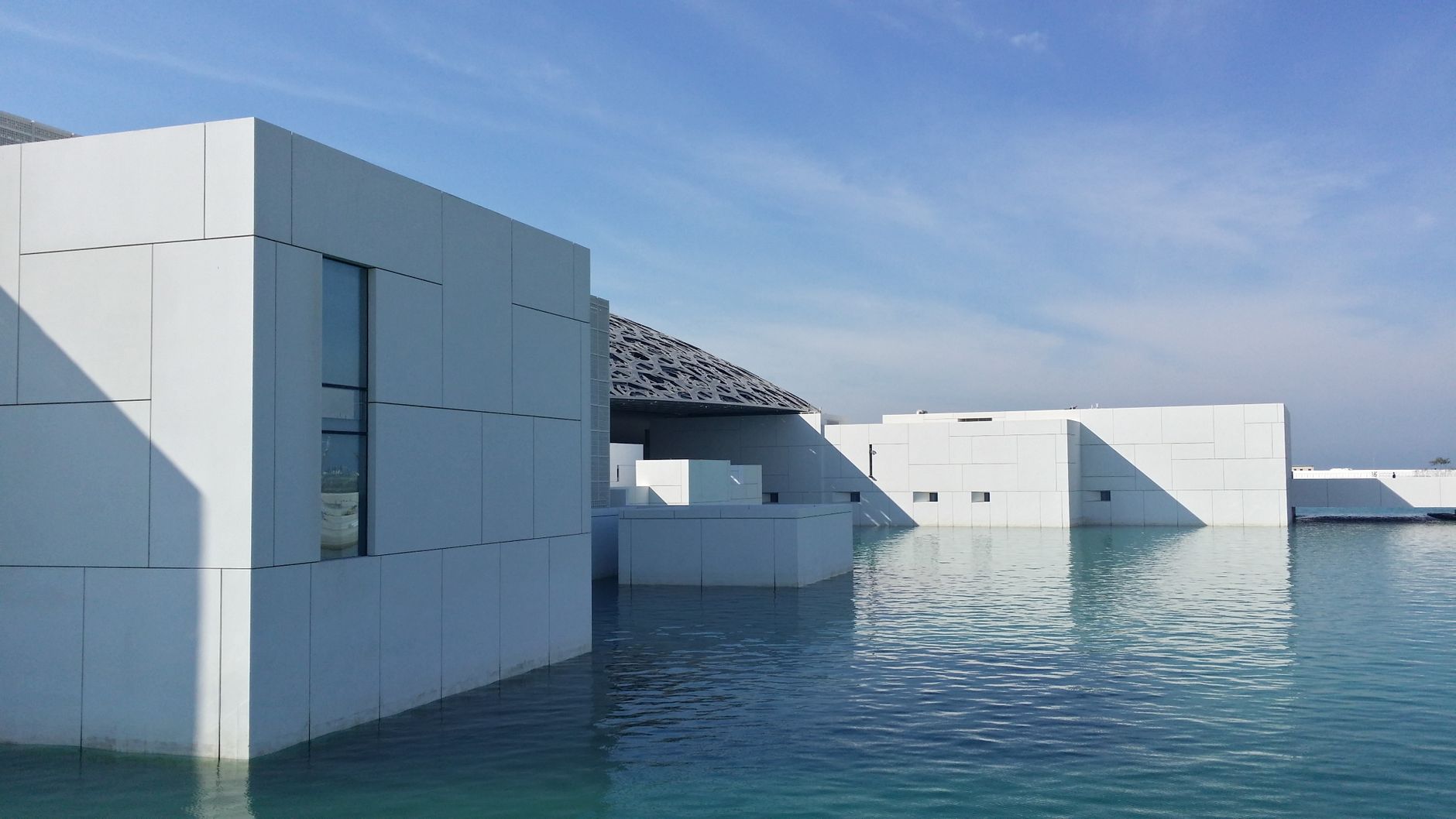 Photo by Ruark Jewell
Choosing the Right Logo Style
Your logo style can significantly impact its effectiveness. Dive into styles that best accommodate the swimming pool chemicals industry.
Wordmark and Lettermark Logos
Wordmark logos feature the name of your brand in a stylized typeface. For instance, a clean and elegant design can convey trust. Lettermark logos, on the other hand, use initials. They work well if you have a long brand name and want to simplify it for easier recognition.
Symbol-Based Logos
Think about incorporating symbols like waves, pools, or even drops of water. These graphics can quickly resonate with your audience's expectations and serve as effective visual representations of your brand.
Designing Your Logo
Now comes the exciting part—creating your logo! Here’s a step-by-step guide for using the logo design tools effectively.
Selecting Logo Design Tools
Start by visiting the Logo Maker Shop for tools tailored to DIY logo creation. These platforms simplify the design process, allowing you to craft a logo that reflects your vision without needing advanced design skills.
Finalizing Color Schemes and Fonts
Once you’ve started designing, it’s vital to pick the right color palette and fonts that resonate with your brand identity. The colors should evoke feelings related to the pool environment while ensuring they’re visually appealing. Fonts, too, can instill different emotions—whether it's playful or serious.
Refining and Finalizing Your Logo
Before you finalize your logo, take a moment to refine it. This process can ensure its effectiveness.
Seeking Feedback from Stakeholders
Don’t shy away from asking for feedback. Share your logo options with potential customers, friends, and family. Their diverse perspectives can provide insights you may have overlooked.
Testing Your Logo's Versatility
Test how your logo looks across various platforms, whether on physical labels, advertisements, or websites. Versatility is key; your logo needs to be effective in various sizes and formats.
Implementing Your Logo Across Branding Materials
Once you’ve finalized your logo, it’s time to implement it consistently across your branding materials.
Creating Brand Guidelines
Develop a style guide that outlines how to use your logo, including color palettes and typography guidelines. This guide will ensure that your branding remains consistent and professional across all platforms.
Launching Your Brand with the New Logo
When launching your logo and brand identity, consider promotional strategies. Think about marketing materials, social media campaigns, and other tactics that will introduce your brand to the public eye effectively.
Conclusion
Creating a logo for your swimming pool chemicals industry involves several steps, from understanding your brand's identity to launching your new logo. By leveraging tools like the Logo Maker Shop, you can navigate the design landscape confidently. So why wait? Start crafting a logo that makes a splash in the swimming pool industry today!

Michael Harper is a Senior Content Strategist at MarketInsider.co, a premier source for insights on digital marketing and business trends. With over 15 years of expertise in content development and strategic communications, Michael is renowned for his ability to craft compelling narratives that resonate with diverse audiences. He holds a Bachelor’s degree in Journalism from New York University and a Master’s degree in Business Administration from Columbia Business School. Outside of work, Michael is passionate about historical literature and enjoys hiking the trails of the Pacific Northwest.