How to Create a Logo for My Own Sustainable Wood Framing Industry
Branding is vital in the sustainable wood framing industry. A well-designed logo not only reflects your company’s commitment to sustainability but also helps convey trust and quality to your customers. Your logo will be a key visual element that encapsulates your brand’s identity, making it crucial to get it right.
Understanding Your Sustainable Wood Framing Brand
To begin, it’s essential to grasp what your sustainable wood framing business stands for. Your logo should embody the unique selling propositions and values of your brand.
Defining Brand Values
Sustainability and craftsmanship are at the heart of your business. Consider how these core values can be visually represented in your logo. For instance, a logo that incorporates natural elements like trees or wood textures can symbolize your commitment to eco-friendliness. Think of your logo as a promise to your customers. It should communicate that you prioritize the planet while offering high-quality craftsmanship.
Target Audience Identification
Understanding who your customers are is equally important. Are they environmentally conscious homeowners looking for sustainable solutions? Perhaps they are contractors who value eco-friendly building materials? By identifying the demographics and psychographics of your ideal customer, you can design a logo that resonates with them and speaks to their values.
Logo Inspiration for Sustainable Brands
Gathering inspiration for your logo design is the next step.
Researching Competitors
Browse through the logos of other successful businesses in the sustainable wood framing sector. What elements do they use? What colors and fonts stand out to you? You want your logo to be different, yet effective. Pay attention to design elements that convey sustainability, like organic shapes or earthy colors.
Creating a Mood Board
Create a mood board to visualize themes, colors, and styles that represent sustainability. Include images of nature, wood textures, and anything that feels authentic to your brand's identity. This visual representation will guide your design decisions moving forward.
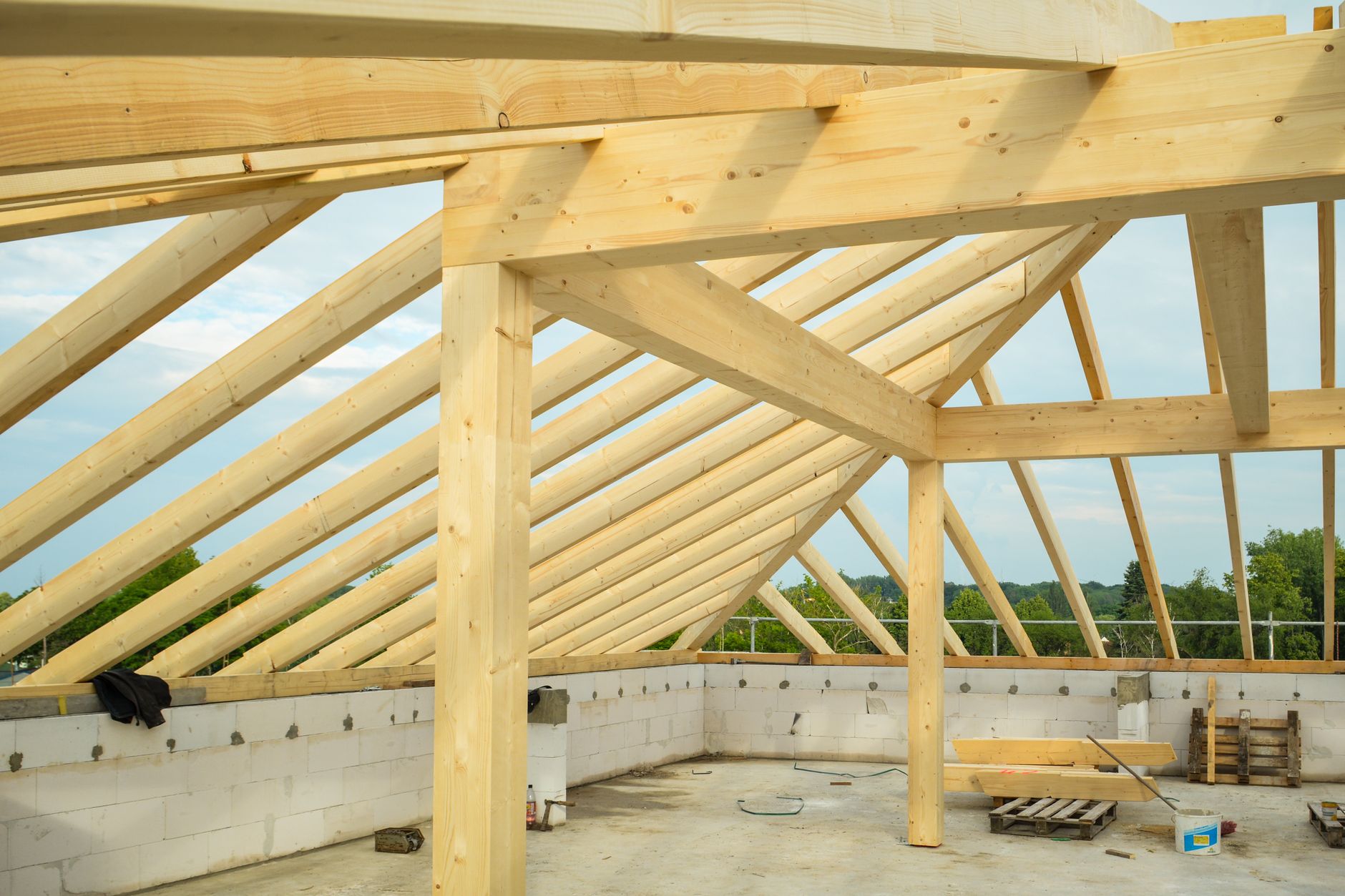 Photo by Saeed Khokhar
Utilizing the Logo Maker Shop for Your Logo Design
When it comes to crafting your logo, the Logo Maker Shop offers fantastic tools to simplify the design process.
Step-by-Step Guide to Logo Design
- Start with Your Brand Values: Input keywords that reflect your brand’s ethos (like "sustainable," "wood," and "craftsmanship").
- Explore Logo Ideas: Check the Logo Ideas page for design inspiration.
- Choose a Template: Select a template that resonates with your brand identity.
- Customize: Adjust colors, fonts, and layouts to suit your preferences.
- Download Your Logo: Once satisfied, download your design for use across your marketing platforms.
Color Palette for Sustainability
Choosing the right colors is crucial for representing eco-friendliness. Earthy tones – greens, browns, and soft blues – are often associated with nature and sustainability. Using these colors in your logo can create a sense of calm and commitment to the environment.
Logo Types Suitable for the Wood Framing Industry
Different logo styles can effectively convey the essence of your brand.
Wordmarks and Letterforms
Text-based logos, such as wordmarks (the company name in a distinct font) and letterforms (initials), can communicate your brand's identity clearly. These styles are straightforward and allow for easy recognition.
Symbolic Logos
Consider utilizing symbolic logos that feature icons representing wood framing or sustainable practices. An image of a tree, for instance, can convey both craftsmanship and a commitment to sustainability.
Combination Logos
Combining text and symbols can create a versatile logo that works well in various applications. This approach can effectively merge the clarity of a wordmark with the visual appeal of a symbol, making your brand easily recognizable.
Refining and Testing Your Logo Design
Once you've created your logo, it’s time to refine it further.
Gathering Feedback
Share your logo design with trusted stakeholders – colleagues, friends, or even potential customers. Gather constructive feedback on what resonates and what doesn't. Feedback can provide new perspectives and ideas that you might not have considered.
Testing for Versatility
Test your logo across different applications, such as on your website, business cards, and merchandise. Ensure that it looks good in both color and black-and-white formats. A versatile logo works well wherever it’s displayed.
Implementing Your Logo in Marketing Materials
Now that your logo is finalized, it’s time to put it to work.
Brand Consistency
Make sure to apply your logo consistently across all marketing materials. This consistent application builds brand recognition and trust. Whether it’s on your website, social media, or product packaging, your logo should be a constant presence.
Showcasing Your Commitment to Sustainability
Use your logo to highlight your eco-friendly practices. Consider placing it next to messages that promote your sustainability initiatives. This visual connection reinforces the values your brand stands for and invites customers to join you in your mission.
Conclusion
Creating a logo for your sustainable wood framing industry is an exciting journey. By understanding your brand, gathering inspiration, utilizing tools like the Logo Maker Shop, and refining your design, you’ll be well on your way to crafting an impactful logo. Now's the time to take these steps and start your logo creation journey.

Michael Harper is a Senior Content Strategist at MarketInsider.co, a premier source for insights on digital marketing and business trends. With over 15 years of expertise in content development and strategic communications, Michael is renowned for his ability to craft compelling narratives that resonate with diverse audiences. He holds a Bachelor’s degree in Journalism from New York University and a Master’s degree in Business Administration from Columbia Business School. Outside of work, Michael is passionate about historical literature and enjoys hiking the trails of the Pacific Northwest.