How to Create a Logo for My Own Retail Cybersecurity Industry
Creating a compelling logo for your retail cybersecurity business is more than just slapping together some graphics. It’s a fundamental part of your brand identity, pivotal in establishing trust and credibility with clients. In an industry where security is paramount, the right logo can make your business stand out and convey reliability. Let’s explore how to forge an impactful logo tailored for your niche.
Understanding Your Brand Identity
Brand identity is the essence of who you are as a business. It’s the impression you leave on clients and the values you stand for, especially in the retail cybersecurity sector. This identity should resonate with your audience, making it crucial to identify what sets you apart.
Core Values and Mission Statement
Start by pinpointing your core values. For a retail cybersecurity company, qualities like reliability, trust, and security are key. Ask yourself:
- What do you want customers to feel when they see your brand?
- How does your service protect and empower them?
Your mission statement should encapsulate these values, leaving no doubt about your commitment to safeguarding your clients’ interests.
Target Audience Analysis
Understanding who your customers are is essential. Are they small business owners worried about data breaches, or large retailers ensuring compliance with security regulations? Tailor your logo design to appeal to this audience by integrating elements that resonate with their needs and preferences.
Finding Inspiration for Your Logo
Once you’ve grasped your brand identity, it’s time to dig for inspiration. Think about your logo's visual narrative and the stories you want it to tell.
Research Competitor Logos
Take a gander at your competitors' logos. Look for patterns—what elements do successful designs use? This doesn’t mean you should copy them; rather, observe effective design traits to inform your own unique creations. For instance, common symbols like locks or shields can convey security and strength.
Creating a Mood Board
Compile images, color palettes, and fonts that reflect your brand’s persona. A mood board is a fantastic tool to visualize your ideas and ensure consistency in your design approach. It serves as a creative guide to keep you on track during the design process.
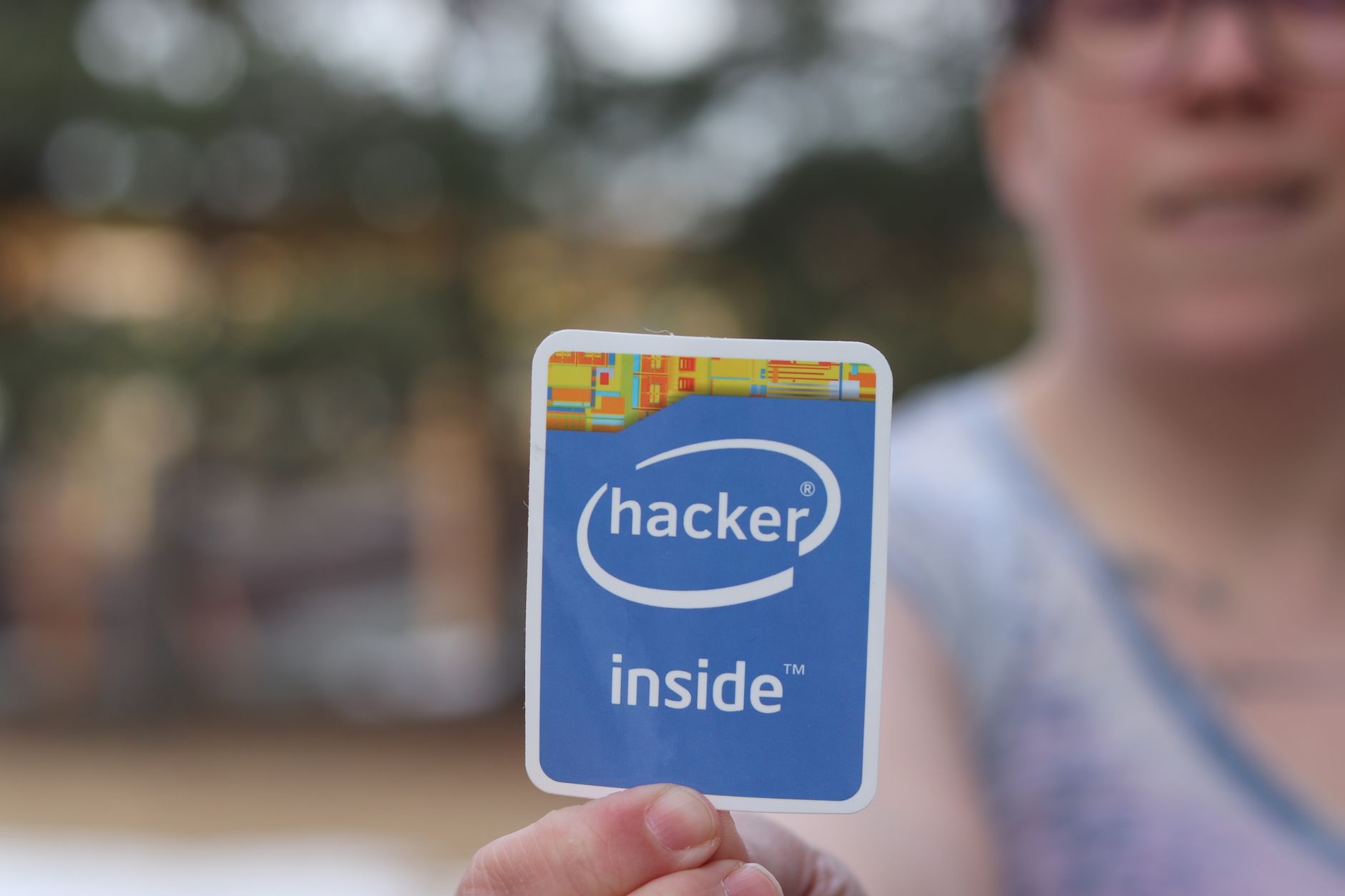
Photo by RealToughCandy.com
Choosing the Right Logo Style
The style of your logo can say a lot about your business. In the retail cybersecurity industry, you need a design that blends professionalism with modernity.
Classic vs. Modern Styles
Think about the balance between traditional security imagery and contemporary aesthetics. A classic style might use more rigid shapes and established symbols, while a modern look could leverage sleek lines and innovative designs. Your choice should align with your brand's values and the message you want to communicate.
Symbolism in Cybersecurity Logos
Utilizing symbols like shields, locks, or digital motifs can instantly communicate the nature of your business. However, avoid clichés; your logo should still have a unique flair that sets you apart from the rest.
Using Logo Maker Shop for Your Design
Creating a standout logo doesn’t have to be a daunting task. The Logo Maker Shop streamlines the entire process, empowering you to create a logo that captures your brand essence effortlessly.
Step-by-Step Guide to Using the Logo Maker Shop
- Visit the Logo Maker Shop – Start by navigating to Logo Maker Shop.
- Explore Logo Ideas – Check out numerous design options and get inspired.
- Customize Your Logo – Use the design tools to tweak colors, fonts, and layouts until you find the perfect fit.
Customizing Your Logo Design
Focus on selecting colors and fonts that reflect your brand values. For instance, blue conveys trust and professionalism, while bold, modern fonts can signal innovation. Remember, the color and style should resonate with your audience’s expectations within the cybersecurity industry.
Finalizing Your Logo Design
Once your design is coming together, it's time for refinement. This process is critical to ensuring your logo is not just visually appealing but also effective in conveying your brand’s message.
Gathering Feedback
Soliciting opinions from trusted colleagues or focus groups can provide valuable insights. It’s always useful to hear different perspectives, as they may see things you have overlooked.
Testing Your Logo Across Platforms
Your logo will appear on various platforms, from social media to your website. Ensure it looks great in all contexts. Test it in different sizes and formats to confirm it maintains its integrity and legibility.
Putting Your Logo to Work
Now that you have an impressive logo, it's time to leverage it effectively across your marketing efforts.
Consistency Across Branding Materials
Consistency is vital. Ensure your logo is used uniformly across all branding materials, including business cards, social media profiles, and your website. This builds recognition and trust over time.
Leveraging Your Logo in Marketing Campaigns
Use your logo in advertisements, email campaigns, and social media to enhance visibility. The more people see your logo, the stronger your brand recognition will become.
Creating a compelling logo for your retail cybersecurity business doesn’t have to be complicated. By understanding your brand identity, gathering inspiration, and utilizing resources like the Logo Maker Shop, you can design a logo that not only looks good but also embodies trust and reliability essential in your industry. Start your journey today and let your brand shine!
For deeper insights, check out How to Create Logos with Logo Maker Shop for additional tips and techniques that can assist in your logo creation process.

Michael Harper is a Senior Content Strategist at MarketInsider.co, a premier source for insights on digital marketing and business trends. With over 15 years of expertise in content development and strategic communications, Michael is renowned for his ability to craft compelling narratives that resonate with diverse audiences. He holds a Bachelor’s degree in Journalism from New York University and a Master’s degree in Business Administration from Columbia Business School. Outside of work, Michael is passionate about historical literature and enjoys hiking the trails of the Pacific Northwest.