How to Create a Logo for My Own Residential Waterproofing Industry
Creating a logo is an essential step in building a recognizable brand for your residential waterproofing business. An effective logo not only sets the tone for your brand identity but also establishes trust with potential customers. In the highly competitive field of waterproofing services, a thoughtful logo can differentiate your business and communicate professionalism. Let's explore how you can create a compelling logo tailored to your specifics.
Understanding Your Brand Identity
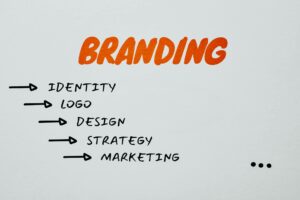
Before diving into design, grasping your brand identity is crucial. Brand identity encapsulates the visual elements, values, and message you wish to convey about your business. It’s the impression you want to leave on your audience, making your services memorable.
Defining Your Unique Selling Proposition (USP)
What makes your waterproofing services unique? Your USP sets you apart from competitors. Perhaps you use eco-friendly materials or have specialized techniques that ensure superior results. Clearly identifying your USP will guide your logo design, ensuring it echoes the services you provide.
Target Audience Identification
Understanding your target audience is key to your branding. What are your clients looking for? Reliable, durable waterproofing solutions? Your logo should resonate with their aspirations. Consider using icons, symbols, or color palettes that evoke feelings of trust and safety, reflecting the quality of your services.
Researching Your Competitors
Analyzing competitors’ logos can offer valuable insights. What styles, colors, and symbols are they using? This analysis will help you to avoid mimicking others while ensuring that your logo stands out in the market.
Identifying Trends in the Waterproofing Industry
Stay updated on current design trends in the waterproofing sector. For example, minimalistic designs using solid colors often work well for service-oriented brands. Incorporating relevant trends can make your logo feel modern and professional.
Creating a Mood Board for Inspiration
A mood board is an excellent tool for gathering inspiration. Collect images, colors, and typography that resonate with your brand. This visual reference will help streamline your design process, ensuring consistency in your brand's look and feel.
 Photo by Vera
Choosing the Right Logo Type
Deciding on the type of logo is a foundational step in the design process. Different styles serve different purposes and convey various messages.
Exploring Wordmark Logos
Wordmark logos consist solely of your brand name styled in a particular font. This approach can be effective for a waterproofing business, especially if your company name is catchy and memorable. A clear and bold typeface can instill confidence in your clients, signaling reliability.
Utilizing Symbolic Logos
Consider incorporating symbols that represent waterproofing. Icons like droplets, shields, or umbrellas can visually communicate the core of your service. This type of logo often makes an immediate impact, capturing the essence of your business quickly.
Designing Your Logo With the Logo Maker Shop
Now that you have a clear idea of your brand identity and logo type, you can start designing. The Logo Maker Shop is a fantastic tool that empowers you to create a professional logo on your own.
Step-by-Step Guide to Using the Logo Maker Shop
- Visit the Logo Maker Shop: Go to Logo Maker Shop.
- Choose a Template: Browse through various designs that fit your brand identity.
- Customize Your Logo: Incorporate your chosen colors, symbols, and font styles. Tailor it to reflect your business's unique feel.
- Download and Save: Once satisfied, download your logo in various formats for different applications.
Customizing Your Logo Elements
Selecting the right colors, fonts, and shapes is vital in logo design. For a waterproofing business, consider blue shades that symbolize trust and dependability. Pair these with easy-to-read fonts to ensure clarity and professionalism.
Refining Your Logo Design
A great logo requires refinement. Work on enhancing your initial design with feedback and iterations.
Collecting Feedback from Stakeholders
Don't hesitate to share your logo with your team, family, or trusted clients. Their fresh perspectives may highlight tweaks that can improve the overall impact of the logo.
Making Final Touches
Before you finalize your logo, focus on the details. Ensure it looks good in both large and small formats, is versatile enough for various applications, and remains true to your brand identity.
Implementing Your Logo
Once your logo is complete, it’s time to put it to work!
Brand Consistency Across Platforms
Your new logo should be the cornerstone of all your branding materials. Use it consistently across your website, business cards, brochures, and social media to cultivate a strong brand presence. Consistent branding fosters familiarity and trust.
Marketing Your Waterproofing Business with Your New Logo
Leverage your logo in marketing strategies. Whether it’s on social media ads or promotional materials, a well-placed logo can tug at potential clients' emotions, prompting them to think of your services when waterproofing issues arise.
Conclusion
Creating a logo for your residential waterproofing business is not just about aesthetics; it’s about establishing a trustworthy identity in the market. A strong logo can enhance your brand visibility, attract potential clients, and ensure consistency across all platforms. Take your time through this creative process, and you will end up with a logo that truly represents your business. Using tools like the Logo Maker Shop can help you achieve a professional and impactful design without breaking the bank. Happy designing!

Michael Harper is a Senior Content Strategist at MarketInsider.co, a premier source for insights on digital marketing and business trends. With over 15 years of expertise in content development and strategic communications, Michael is renowned for his ability to craft compelling narratives that resonate with diverse audiences. He holds a Bachelor’s degree in Journalism from New York University and a Master’s degree in Business Administration from Columbia Business School. Outside of work, Michael is passionate about historical literature and enjoys hiking the trails of the Pacific Northwest.