How to Create a Logo for My Own Residential Flooring Industry
Creating a logo for your residential flooring business is a crucial step in establishing your brand. This graphic representation will not only capture what you do but also attract your target market. In this guide, you'll discover practical steps to design a logo that stands out and resonates with your customers.
Understanding Your Brand Identity
Before sketching any ideas, reflect on what your business embodies. Your logo should act as a visual storyteller, clearly portraying your company's values and mission.
Core Values and Mission Statement
Begin by outlining your core values and mission statement. What drives your flooring business? Are you focused on sustainability, innovation, or affordability? By distilling these elements, you set a foundation for your logo design. For instance, if sustainability is a core value, think about incorporating earthy colors and natural symbols that reflect eco-friendliness. Your mission statement will clarify your focus, guiding your design choices.
Target Audience Considerations
Identifying your target audience is equally important. Understanding who your customers are will greatly influence your logo design. Are you catering to high-end homeowners or budget-conscious families? Analyze their preferences: do they lean towards modern aesthetics or classic styles? This will help you craft a logo that speaks directly to them, enhancing brand recognition and loyalty.
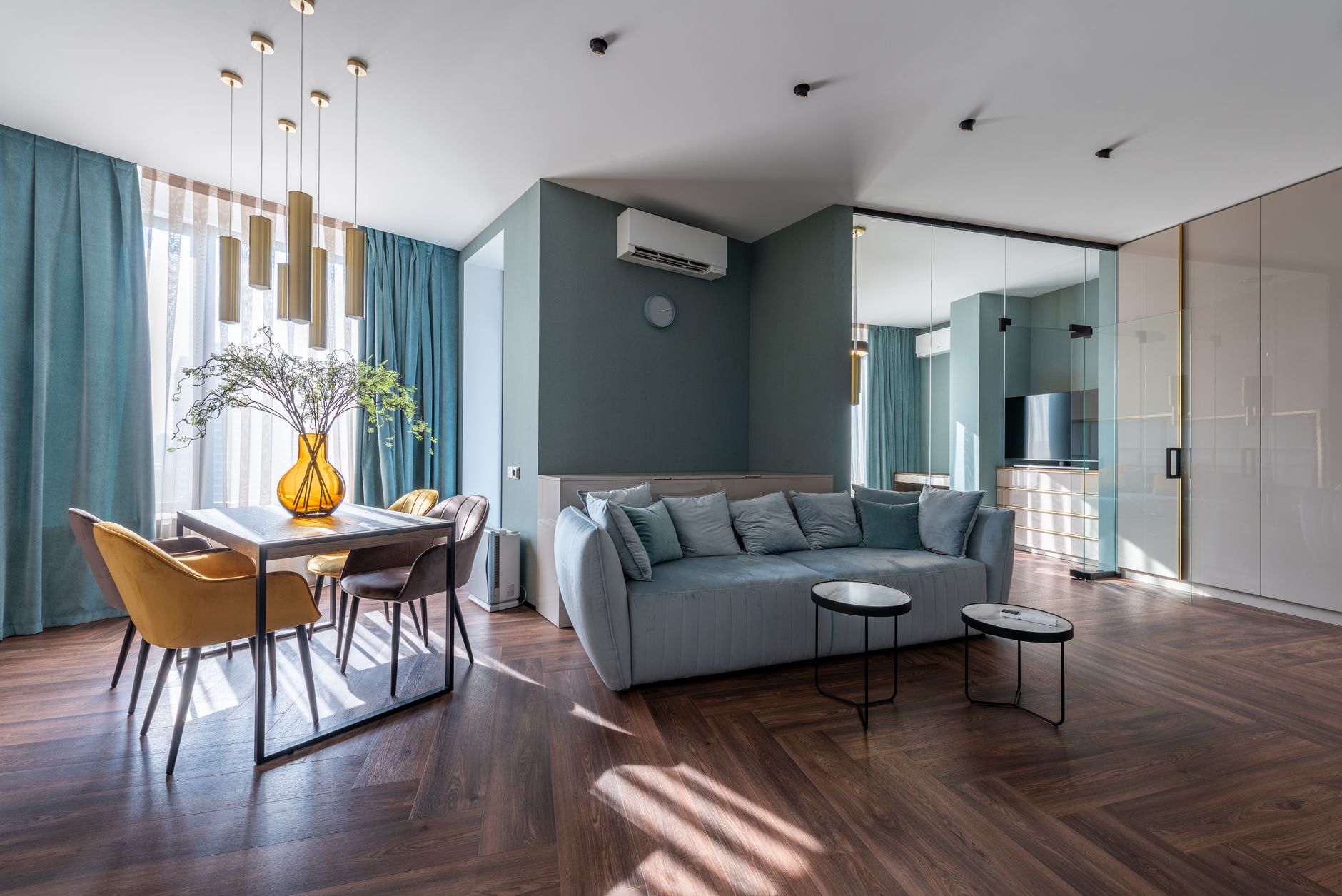
Photo by Max Vakhtbovycn
Research and Inspiration
Gathering inspiration is an essential step in your logo creation process. Understanding what works well in the flooring industry can ignite your creativity and provide clarity.
Analyzing Competitor Logos
Start by studying your competitors. Look at their logos—what elements do they use? Are their designs effective? Pay attention to how these logos convey their brands. This comparison will help you identify trends and areas where you can distinguish your logo. Ensure your design remains unique to avoid confusion among customers.
Exploring Design Trends
Current design trends can also offer inspiration. Minimalist designs with clean lines are gaining traction, reflecting simplicity and elegance. You may want to explore geometric shapes, which can signify precision, perfect for conveying quality flooring services. Stay informed about popular color schemes and font styles in the industry, as these can significantly impact your logo's appeal.
Designing Your Logo
Now, it’s time to bring your vision to life. The Logo Maker Shop provides a user-friendly platform to design a logo that meets your specific needs.
Accessing the Logo Maker Shop
To create a custom logo without the high cost of hiring a designer, the Logo Maker Shop is a fantastic tool. This platform simplifies the design process by offering pre-made templates, icons, and fonts tailored to various industries, including flooring. You'll have the freedom to personalize your logo as you see fit.
Choosing Logo Styles and Types
Decide on the style and type of logo that reflects your brand. Here are a few common styles:
- Wordmark: This is a text-based logo that focuses on your business name. Pairing a unique font with bold colors can create a strong impact.
- Letterform: If your business name is lengthy, consider using initials instead. This type of logo is minimalist yet memorable.
- Icon or Symbol: An image that represents your flooring services can be a good choice. Think about using hardwood, tile, or abstract shapes that resonate with your industry.
By selecting the right style, you will communicate your brand identity effectively.
Color Schemes and Fonts
Colors evoke emotions and can influence perception. For example, earthy tones like browns and greens indicate nature and sustainability, aligning well with those core values. Meanwhile, blue can suggest trust and professionalism. Choose colors based on the message you wish to convey.
Fonts also play a significant role in branding. Ensure they align with your industry; for example, sleek, modern fonts may suggest innovation, while traditional fonts can convey timelessness.
Finalizing Your Logo Design
Once you've crafted your logo, you need to refine and finalize it.
Gathering Feedback
Feedback from friends, family, or even potential customers is invaluable. Share your logo designs with them and ask for their impressions. Are they able to recognize what your business does at a glance? Constructive criticism may lead to critical adjustments, making your logo even stronger.
Implementing and Promoting Your Logo
With your finalized logo, it’s time to implement it across all branding materials. From business cards to marketing brochures, ensure your logo is consistently displayed. This consistency will help build recognition.
Promoting your logo can also be creative. For example, consider sharing the logo design process on social media to engage your audience. This transparency fosters connection and interest in your flooring business.
Conclusion and Next Steps
By following these steps on how to create a logo for my own residential flooring industry, you’ll be well on your way to developing a strong and recognizable brand. Remember, your logo is not just an image; it reflects your business and what it stands for.
As your company grows, so might your logo. Don’t be afraid to evolve your design over time. Reflect on whether your design still aligns with your brand identity and target market, adjusting it as necessary. Now, take action and get started on your logo creation journey!

Michael Harper is a Senior Content Strategist at MarketInsider.co, a premier source for insights on digital marketing and business trends. With over 15 years of expertise in content development and strategic communications, Michael is renowned for his ability to craft compelling narratives that resonate with diverse audiences. He holds a Bachelor’s degree in Journalism from New York University and a Master’s degree in Business Administration from Columbia Business School. Outside of work, Michael is passionate about historical literature and enjoys hiking the trails of the Pacific Northwest.