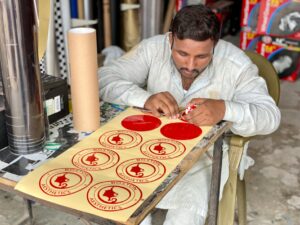
Creating a Logo for Your Residential Dump Truck Business
In the competitive world of the residential dump truck industry, a strong logo serves as more than just a visual element; it establishes your brand identity and can significantly impact how customers perceive your services. A well-designed logo captures attention and communicates your values, helping you stand out from the competition. Let's dive into how to create a logo for your own residential dump truck business and make your mark in this industry.
Understanding Logo Design Fundamentals
When designing a logo, grasping the fundamentals of logo design is crucial. Here are some key concepts to keep in mind:
The Role of a Logo in Branding
Think of your logo as the face of your business. It's the first thing potential customers will see, so it must represent your brand effectively. A good logo reflects your company's personality and values while creating an emotional connection with your audience. For a residential dump truck business, consider elements that convey reliability, strength, and professionalism.
Key Elements of an Effective Logo
There are several essential elements to consider when creating your logo, especially in the dump truck industry:
- Typography: Choose fonts that evoke a sense of solidity and trust. Bold, sans-serif fonts often work well, giving a clean and modern feel.
- Color: Color choices can significantly influence perception. For instance, blue conveys trust and dependability, while orange can symbolize energy and enthusiasm. Look into branding color meanings for more insights.
- Imagery: Integrating imagery related to dump trucks, such as a truck silhouette or construction elements, helps cement your business identity.
Defining Your Brand Identity
Before you start sketching logo ideas, take a moment to define your brand identity. This step will guide your design process and ensure that your logo aligns with your overall brand message.
Identifying Target Audience
Understanding your target audience is vital. Are you primarily serving homeowners, contractors, or both? Knowing whom you’re designing for helps tailor your logo to resonate with potential customers and reinforces your brand's presence in their minds.
Establishing Brand Values
What does your business stand for? Are you committed to sustainability, speed, or exceptional customer service? Clearly defining your brand values before designing your logo ensures that your logo communicates the essence of your business.
Finding Inspiration for Your Logo
Inspiration can come from various sources. Here are some tailored suggestions for the dump truck industry.
Researching Competitor Logos
Take a closer look at your competitors' logos. What colors, fonts, and designs do they use? By analyzing their designs, you can identify industry trends and avoid similarities that could confuse potential customers.
Using Design Platforms for Ideas
Explore platforms like Logo Maker Shop to discover pre-existing designs that resonate with you. You can gain inspiration from various templates and see what fits your vision.
Creating Your Logo with Logo Maker Shop
The Logo Maker Shop is perfect for entrepreneurs who want to create their logos easily. With its user-friendly tools, designing a logo has never been simpler.
Step-by-Step Logo Creation Guide
- Choose a Logo Template: Start by selecting a template that aligns with your envisioned style.
- Customize Your Design: Use the available tools to tweak colors, fonts, and layouts according to your preferences.
- Add Imagery: Consider incorporating a dump truck graphic or related imagery for a professional touch.
Customizing Your Logo
Make your logo truly your own. Adjust the color palette to reflect your brand, play with different font styles, and rearrange elements until it captures your business's personality in the best way possible.
Finalizing and Testing Your Logo Design
Once you've created a logo, testing and refining it is crucial. This stage ensures that your logo performs well across different contexts.
Gathering Feedback from Peers
Share your logo with trusted friends or colleagues. Their insights can shed light on how your logo is perceived and whether it communicates your brand effectively. Constructive feedback can illuminate areas you may not have considered.
Making Necessary Adjustments
Based on the feedback you gather, be open to making adjustments. Sometimes, a small change can greatly improve the overall impact of your logo.
Using Your Logo Effectively
The final stage in the logo design process is implementing your logo across various platforms and materials.
Incorporating Your Logo in Marketing Materials
Your logo should be present in all your marketing materials, from business cards to your company truck. This consistency helps reinforce brand recognition among customers.
Building Brand Recognition Through Consistency
Always use your logo consistently. Whether it’s on your website, social media, or signage, a uniform application builds familiarity with your audience. The more they see your logo in the right context, the stronger the association with your brand will become.
Conclusion
Creating a logo for your residential dump truck business is an exciting journey that lays the foundation for your brand identity. By understanding the fundamentals of logo design, defining your brand identity, finding inspiration, and effectively utilizing tools like Logo Maker Shop, you’re well on your way to establishing a powerful visual presence in your industry. Don’t hesitate to start this creative process today and watch your brand come to life!
By following these steps, you’ll not only create a compelling logo but also forge a brand that resonates with your audience and stands the test of time. Happy designing!

Michael Harper is a Senior Content Strategist at MarketInsider.co, a premier source for insights on digital marketing and business trends. With over 15 years of expertise in content development and strategic communications, Michael is renowned for his ability to craft compelling narratives that resonate with diverse audiences. He holds a Bachelor’s degree in Journalism from New York University and a Master’s degree in Business Administration from Columbia Business School. Outside of work, Michael is passionate about historical literature and enjoys hiking the trails of the Pacific Northwest.