How to Create a Killer Logo for Your Outdoor Recreational Surface Business
Want a logo that screams "professional" and attracts customers? A great logo is key to standing out in the competitive outdoor recreational surface industry. This guide breaks down everything you need to know to create a logo that works for you.
Creating a strong brand identity is crucial for success in any industry, and the outdoor recreational surface industry is no exception. A compelling logo helps you establish a recognizable presence and communicates your brand's values and personality. This guide will walk you through creating a logo that not only looks good but also accurately represents your business.
Understanding Your Brand Identity
First things first: what's your brand all about? Think about your core values, your target audience, and what makes you different. What problems do you solve? What are your key strengths?
A clear brand identity is the bedrock of a powerful logo. It's about defining who you are, who you want to reach, and how you want to be perceived. Knowing your core values, understanding your target audience (are they eco-conscious adventurers, or families looking for a safe play area?), and identifying your unique selling proposition (USP) will form the foundation for your logo design.
This will dictate everything from color choices to font selection. If you're targeting families, a playful and approachable design might work best. If you're catering to eco-conscious customers, natural and earthy tones might be the way to go.
Logo Design Considerations for Outdoor Recreation
Think about the visual elements that will best represent your business. Consider these design elements when starting your logo design process:
- Color Palette: What colors evoke the feeling you want to convey? Are you aiming for a vibrant, energetic aesthetic, or a calming, serene one? Outdoor recreation often calls for natural tones, but not always.
- Typography: Fonts communicate personality. Is your brand modern and sleek or classic and reliable? The font choice should mirror your brand's feel.
- Imagery: Is there a visual element that instantly communicates your business? Maybe it's a rugged outdoor scene or a stylized representation of your surface material. Consider how imagery helps convey your brand story. When using images, make sure they’re high-resolution and appropriate for logo use.
Researching Existing Logos in the Industry
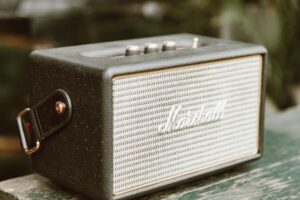
A little research goes a long way. Look at competitor logos and industry trends. What colors are they using? What fonts? What imagery styles are working well? This will help you distinguish your logo and avoid common pitfalls.
 Photo by Isti Márton (https://www.pexels.com/@isti-marton-1810716)
Note what works and what doesn't. Pay close attention to the designs that catch your eye and those that seem a bit off. What are the successful logos communicating, and how are they accomplishing it?
Creating a Logo with Logo Maker Shop
Using Logo Maker Shop's easy-to-use tools and templates is a fantastic way to create a stunning logo without needing design expertise. Logo Maker Shop gives you a simple, streamlined way to create a powerful first impression. Their intuitive interface and extensive customization options will allow you to produce a truly unique design that reflects your business.
Start by defining your brand identity, then explore the various templates and tools available on Logo Maker Shop's platform. Customize colors, fonts, and imagery to bring your vision to life. Use the provided tutorials and resources to guide you through the process. It's an excellent choice for those seeking a DIY logo creation experience. Get started with Logo Maker Shop today!
Choosing the Perfect Logo
Once you've created a few logo options, it's time to evaluate their effectiveness. How well do they convey your brand's message and values? Will they stand the test of time?
Consider A/B testing different logo versions to see which performs better. Ask for feedback from trusted sources—friends, family, or colleagues. Getting feedback from others can offer a fresh perspective and help you identify any potential issues with your logo design.
Ensuring Brand Consistency Across Platforms
Don't let your logo disappear into the digital ether. Make sure it's visible and recognizable on all your marketing materials, from your website to social media. Maintaining consistency is key to strong brand recognition. Your logo needs to look the same, regardless of the platform.
Finalizing and Applying Your Logo
When you're happy with your design, finalize your logo and download it in various file formats, including vector files (like .ai or .eps), which ensures the quality remains sharp. Understanding copyright implications is important when designing a logo. The legal implications of logo use can vary greatly by country, but generally copyright laws govern originality and protection.
Knowing how to use your logo correctly is essential. This might include guidelines on sizing or color usage in various applications. This ensures your logo maintains a consistent look across all applications. Check Logo Maker Shop's resources for specific guidance.
Conclusion
Creating a logo for your outdoor recreational surface business is an important step towards building a strong brand. By understanding your brand identity, conducting thorough research, and utilizing Logo Maker Shop's tools, you can create a logo that effectively communicates your unique values, attracts your target audience, and sets your business apart. A powerful logo can significantly impact your brand's recognition and visual identity.

Michael Harper is a Senior Content Strategist at MarketInsider.co, a premier source for insights on digital marketing and business trends. With over 15 years of expertise in content development and strategic communications, Michael is renowned for his ability to craft compelling narratives that resonate with diverse audiences. He holds a Bachelor’s degree in Journalism from New York University and a Master’s degree in Business Administration from Columbia Business School. Outside of work, Michael is passionate about historical literature and enjoys hiking the trails of the Pacific Northwest.