How to Create a Logo for My Own Organic Waste Industry
In today's environmentally conscious world, having a compelling logo can help set your organic waste business apart. A strong logo doesn’t just add to your brand identity; it creates instant recognition. Just like the recycling symbol resonates with sustainability, your logo will tell your story. It's not merely an image; it's your brand's first impression.
Understanding Your Brand Identity
Before you start sketching ideas, take a moment to think about your brand identity. This isn't just about visuals; it encompasses everything your business stands for. In the organic waste industry, you have the opportunity to convey a message of sustainability, eco-friendliness, and innovation.
Defining Your Mission and Values
What’s your purpose in the organic waste industry? Do you focus on reducing food waste, or are you committed to educating communities about composting? Your logo should reflect this mission. Consider keywords that express your values—these should resonate throughout your logo design.
Identifying Your Target Audience
Who are your customers? Understanding your target audience is crucial. Are they environmentally-conscious consumers or business owners looking to manage waste sustainably?
Reflect on the demographics of your audience. This knowledge will guide your design choices, ensuring they connect with the people you aim to service.
Research and Inspiration
Before starting the design process, gather inspiration.
Analyzing Competitors
Take a close look at your competitors’ logos. What works for them? What doesn’t? This analysis will help you identify gaps in the market and create a logo that stands out. Look for signs of creativity or excessive complexity—aim for balance in your own design.
Finding Design Inspiration
Explore design blogs and platforms like Pinterest. Curate a collection of logos that inspire you. Notice what elements catch your eye. Shapes, colors, and styles can all contribute to the essence of your own logo.
Key Elements of Logo Design
When designing your logo, consider these essential components.
Choosing the Right Colors
Color is more than just aesthetics; it has psychological implications. For instance, green evokes feelings of nature and health—perfect for the organic waste industry. A study of branding and logo colors reveals that colors influence perceptions and emotional responses. Choose wisely; your color palette should align with your brand’s mission and values.
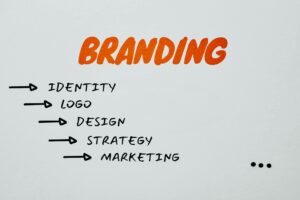
 Photo by Anni Roenkae
Selecting Fonts that Communicate
The font you choose should be professional, legible, and representative of your brand. A modern sans-serif might convey innovation, while a serif typeface might evoke tradition and reliability.
Logo Types and Styles
Familiarize yourself with different logo types:
- Wordmarks: These are purely typographic logos (think Google or Coca-Cola) that rely on your brand name.
- Letterforms: A single letter or initials (like McDonald's "M") can also be powerful.
- Symbols: An icon-based logo can communicate instantly. For the organic waste industry, consider symbols like leaves or recycling arrows.
Creating Your Logo Using Logo Maker Shop
Once you understand your vision, it's time to create your logo.
Step-by-Step Design Process
Using platforms like Logo Maker Shop, you'll find user-friendly tools to guide your design process. Here’s a step-by-step rundown:
- Select Your Logo Type: Choose between wordmark, letterform, or symbol.
- Customize Your Design: Tailor the colors, fonts, and elements to align with your brand identity.
- Preview Your Logo: See how it looks in different contexts like business cards or on a website.
Utilizing Customization Options
Customization is key. Logo Maker Shop allows you to tailor every aspect, from color schemes to graphic elements.
Finalizing Your Logo
Don’t rush the final decision; your logo is a critical aspect of your brand.
Gathering Feedback
Before you solidify your design, gather opinions. Share your logo with friends and colleagues. Ask for honest feedback from your target audience. This insight can illuminate what works and what doesn’t.
Making Last-Minute Adjustments
Be open to making tweaks based on feedback. Flexibility during the design process can lead to a more effective final product.
Putting Your Logo to Work
Now that you have a finalized logo, it's time to integrate it into your branding strategy.
Consistent Branding Across Platforms
Maintain brand consistency. Your logo should appear across all platforms—social media, your website, and marketing materials. This helps strengthen your brand identity. Consistency helps build trust with your audience. You can learn more about consistent branding in this insightful article.
Utilizing Your Logo for Marketing
Make your logo a crucial part of your marketing strategy. Use it on flyers, promotional items, and digital campaigns. The more exposure, the stronger your brand identity can become.
Conclusion
Creating a logo for your organic waste industry business is a pivotal step in establishing your brand. A well-designed logo not only fosters recognition but also communicates your mission and values to customers. So, are you ready to embark on this journey? Take the first step and start designing a logo that resonates with your audience and reflects your commitment to sustainability.

Michael Harper is a Senior Content Strategist at MarketInsider.co, a premier source for insights on digital marketing and business trends. With over 15 years of expertise in content development and strategic communications, Michael is renowned for his ability to craft compelling narratives that resonate with diverse audiences. He holds a Bachelor’s degree in Journalism from New York University and a Master’s degree in Business Administration from Columbia Business School. Outside of work, Michael is passionate about historical literature and enjoys hiking the trails of the Pacific Northwest.