How to Create a Logo for My Own Organic Sugar Industry
In today’s bustling market, having a distinct logo for your organic sugar business isn't just an ornament; it’s an essential tool for carving out a place in your industry. A well-designed logo can significantly enhance brand recognition and trust among your consumers. It tells your brand’s story at a glance, encapsulating your values while making a lasting impression. So, how do you create a logo that reflects the essence of your organic sugar industry? Let’s dive into the process of crafting that perfect logo together.
Understanding Your Organic Sugar Brand
When you think about your organic sugar business, consider what makes it unique. Your logo should reflect this uniqueness while resonating with your target audience.
Defining Your Brand Values
What's at the heart of your brand? Sustainability, health, and organic practices play a significant role in the organic sugar industry. Consider asking yourself:
- What principles guide my business decisions?
- How do I want customers to perceive my brand?
Articulating these values helps you develop a logo that aligns with your mission and convinces customers of your commitment to quality.
Identifying Your Target Audience
To design a logo that attracts customers, it’s essential to understand them. The audience interested in organic sugar typically values health, sustainability, and quality. They may include:
- Health-conscious individuals: Those looking for natural alternatives.
- Chefs and bakers: Professionals aiming for premium ingredients.
- Eco-conscious consumers: Shoppers who prefer sustainable brands.
Knowing your audience helps shape your logo's design, ensuring it speaks directly to potential customers.
Finding Inspiration for Your Logo
When brainstorming logo ideas, consider broad sources of inspiration. Understanding the landscape of design trends and your competitors can be immensely helpful.
Researching Competitors
Take a close look at what others in the organic sugar space are doing with their logos. What colors and symbols do they use? While learning from their designs is key, ensure your logo stands out. Originality is paramount in a market where trust is tied to credibility and uniqueness.
Exploring Design Trends
Stay in tune with current trends in logo design, especially for food and organic products. Soft colors, minimalist design, and natural imagery often work well in this space. Remember, trends are simply guides—not rules. Focus on what resonates most with your brand's identity.
Using Logo Maker Shop for Inspiration
A fantastic way to stimulate your creativity is to use tools like the Logo Maker Shop. This platform not only provides logo creation tools, but also showcases numerous logo ideas that can jumpstart your own design process. It’s like having a vast gallery of inspiration at your fingertips!
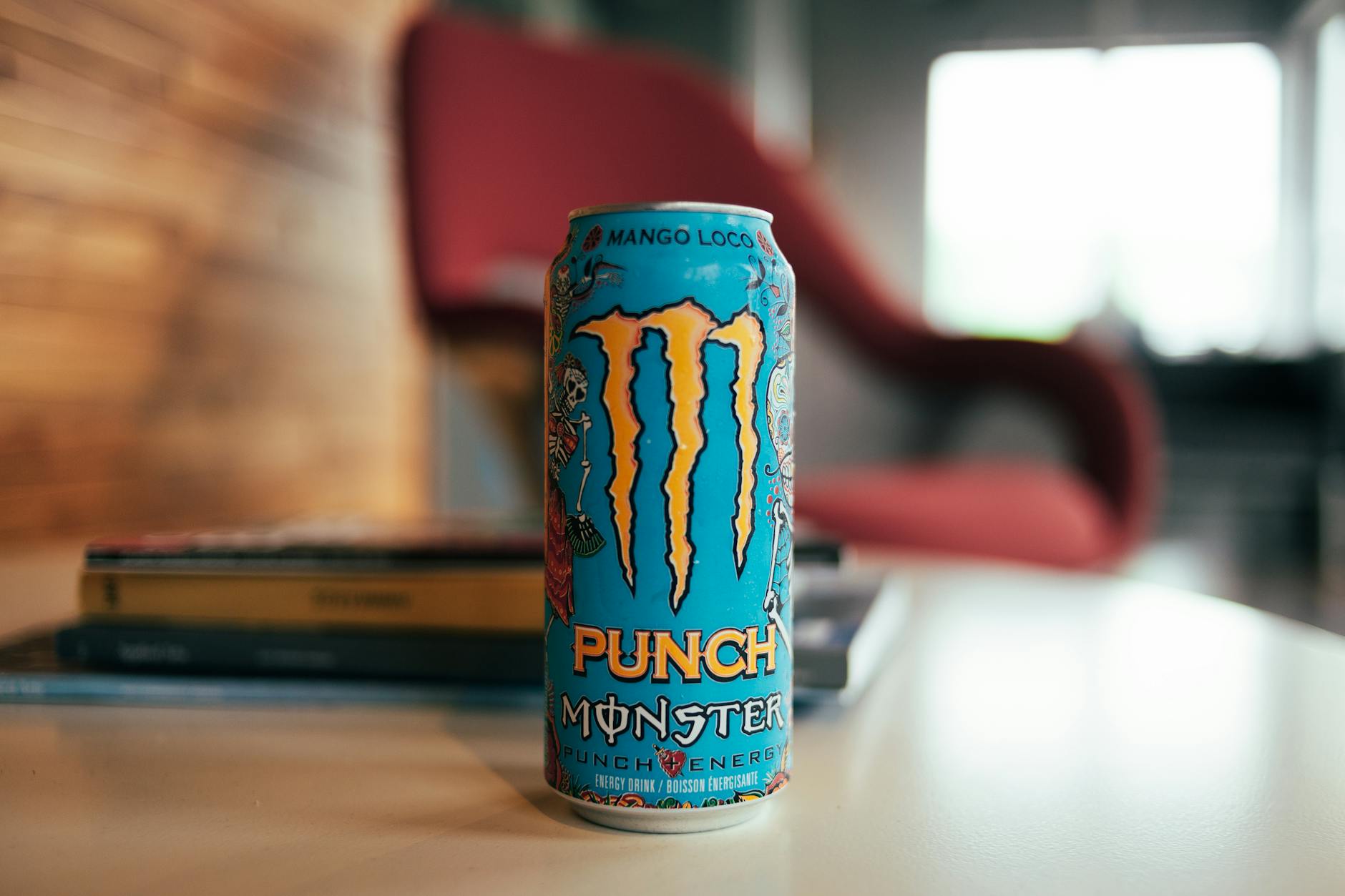 Photo by Erik Mclean
Choosing Elements for Your Logo Design
With inspiration in mind, you’re ready to select the essential elements of your logo.
Selecting Colors that Resonate with Organic Values
The psychology of color plays a substantial role in logo design. When choosing your palette, consider these associations:
- Green: Symbolizes health and sustainability.
- Brown: Connects to earthiness and organic authenticity.
- Yellow: Evokes warmth and positivity.
These colors can help communicate your brand values at a glance.
Selecting the Right Font
Font choice goes beyond aesthetics; it communicates your brand’s voice. For organic sugar, you might consider fonts that resemble handwritten or rustic styles, reinforcing an approachable and natural feel.
Incorporating Symbols and Imagery
Think about including symbols related to nature, like sugar cane or leaves. These visuals instantly connect your brand to its organic roots, making it recognizable and relevant.
Creating Your Logo with Logo Maker Shop
Once you’ve outlined your ideas, it’s time to create your logo. Let's break it down step by step.
Step-by-Step Creation Process
- Define Your Goals: What message do you want your logo to convey?
- Start Designing: Use the Logo Maker Shop to draft your logo. Often, these tools allow customization of colors, fonts, and symbols.
- Iterate: Don’t be afraid to play around with multiple designs. Experiment until you find something that feels right.
Finalizing Your Logo Design
Feedback is invaluable. Share your designs with trusted friends, family, or even potential customers to gather diverse opinions. Use this input to tweak and refine your logo design.
Implementing Your Logo in Marketing
Your logo is more than just a design; it should be a constant presence in all your business communications.
Using Your Logo on Packaging and Labels
Your logo will often appear on packaging and labels. Ensure it’s prominent and clear, as this is where customers will first encounter your brand. A striking logo can grab attention and convey trustworthiness immediately.
Consistency Across Platforms
From your website to social media, maintaining brand consistency is vital. Use your logo uniformly across platforms for maximum recognition. This helps build trust and recalls familiarity among your audience.
Conclusion
A carefully crafted logo is an invaluable asset for your organic sugar business. It enhances brand recognition and fosters trust. By defining your brand values, gathering inspiration, selecting the right elements, and implementing your logo effectively, you set a strong foundation for your brand. Now that you know how to create a logo for your organic sugar industry, it's time to take action. Dive into the process, have fun with it, and let your unique brand shine through!

Michael Harper is a Senior Content Strategist at MarketInsider.co, a premier source for insights on digital marketing and business trends. With over 15 years of expertise in content development and strategic communications, Michael is renowned for his ability to craft compelling narratives that resonate with diverse audiences. He holds a Bachelor’s degree in Journalism from New York University and a Master’s degree in Business Administration from Columbia Business School. Outside of work, Michael is passionate about historical literature and enjoys hiking the trails of the Pacific Northwest.