How to Create a Logo for My Own Organic Food Retail Industry
Creating a logo is a pivotal step in launching your organic food retail business. Your logo will serve as the hallmark of your brand, distinguishing you in the bustling marketplace. Not only does it establish your unique identity, but it also attracts customers who align with your values and mission.
Understanding the Importance of a Logo in Organic Food Retail
Your logo plays a significant role in branding within the organic food industry. It’s often the first element a potential customer encounters. A well-crafted logo can evoke emotions and foster trust. When consumers see your logo, they should instantly recognize its connection to sustainability, quality, and health—essential attributes in the organic market.
Think of your logo like a handshake—it’s the first impression of your brand, and you want it to be strong and inviting. Your logo conveys what your brand stands for, influencing consumer perception and drawing people to your products.
Defining Your Brand Identity
Before diving into the creative process, it’s crucial to grasp the essence of your organic food brand. What do you want to communicate?
Identifying Core Values
What values define your brand? Sustainability, health, and quality should resonate in your logo’s design. If your products come from local farms, incorporate elements that depict freshness or locality. Colors and shapes can reflect your values. For example, earthy tones might emphasize your commitment to the environment and natural products.
Target Audience Analysis
Understanding who your target audience is will significantly influence your logo design. Are your customers health-conscious families, fitness enthusiasts, or environmentally aware millennials? Tailoring your logo to appeal to these specific demographics will help ensure that it resonates with them, ultimately leading to brand loyalty.
Finding Inspiration for Your Logo
Inspiration is key when creating your logo. There are countless avenues to explore that can ignite your creativity.
Researching Competitors
Take a look at logos from competitors in the organic food sector. What works for them, and what doesn't? Analyzing competitors' branding strategies can spark ideas. You’ll not only gain insights into design trends but also understand branding gaps that your logo can fill.
Utilizing Design Tools
Harnessing the right tools will ease the logo creation process. Platforms like the Logo Maker Shop provide a suite of resources designed to inspire and facilitate your logo design journey.
Choosing Design Elements
Every design aspect contributes to the overall impact of your logo. From color choices to typography and imagery, be strategic.
Color Psychology in Organic Branding
Colors evoke emotional responses, and choosing the right palette is critical. Green is often associated with organic and natural products, while earth tones like brown suggest sustainability. Consider the message you want to convey and select colors that reflect those intentions.
Selecting Appropriate Fonts
Fonts communicate personality. For an organic food retail brand, you might opt for a clean sans-serif or a rustic serif typeface that conveys authenticity. The font should be legible and align with the brand's tone—friendly yet trustworthy.
Imagery Selection
Imagery plays a vital role in logo design. Consider incorporating symbols that relate to organic food, such as leaves, farm elements, or even fruit and vegetable motifs. These images can instantly communicate the nature of your business and make your logo memorable.
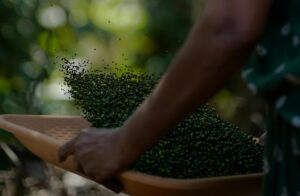
 Photo by Erik Mclean
Using Logo Maker Shop for Your Logo Design
The Logo Maker Shop is an excellent option for creating a professional logo tailored to your organic food retail business.
Step-by-Step Design Process
Creating a logo with the Logo Maker Shop is straightforward. You'll start by entering your brand's name and selecting initial design concepts that resonate with your vision. From there, you can customize and refine your logo until it reflects your brand perfectly.
Customizing Your Design
Don’t settle for a generic logo. Make it unique—integrate personal touches that reflect your business values. Whether it’s a specific color or unique imagery, ensure your logo stands apart.
Finalizing and Exporting Your Logo
Once you're satisfied with your design, export it in various formats suitable for different applications. Consider how your logo will appear on product labels, social media, and marketing materials.
Gauging Feedback and Making Revisions
Feedback is an essential part of the design process. Share your logo with trusted friends, family, or fellow entrepreneurs and be open to their perspectives. Their input can provide valuable insights you may have overlooked and help refine your design further.
Implementing Your Logo Across Marketing Channels
Once your logo is finalized, it's time to implement it across all platforms.
Consistency is Key
Consistent use of your logo across all branding materials builds trust and recognition. Whether it's on your website, social media profiles, or packaging, maintaining consistency fosters a professional image.
Adapting Your Logo for Different Uses
Adaptability is essential. Ensure your logo looks great in different sizes and formats. Whether it’s a small icon for social media or a large banner design for a trade show, your logo should be versatile enough to shine in any context.
Conclusion
A well-designed logo is vital for success in the organic food retail industry. It will not only enhance your brand identity but also attract the customers you’re aiming for. As you embark on your logo design journey, utilize tools like the Logo Maker Shop and draw inspiration from your core values and target audience. Get started today and watch your brand come to life!

Michael Harper is a Senior Content Strategist at MarketInsider.co, a premier source for insights on digital marketing and business trends. With over 15 years of expertise in content development and strategic communications, Michael is renowned for his ability to craft compelling narratives that resonate with diverse audiences. He holds a Bachelor’s degree in Journalism from New York University and a Master’s degree in Business Administration from Columbia Business School. Outside of work, Michael is passionate about historical literature and enjoys hiking the trails of the Pacific Northwest.