Creating a Logo for Your Optical Instruments Industry
In the optical instruments industry, a logo isn't just a design; it's your identity. Think of it as the first handshake you'll have with your customers. It's essential to create a memorable logo that resonates with your brand's values and conveys the precision and sophistication of your products. This guide will navigate you through the process of crafting a compelling logo that encapsulates your optical instruments business.
Understanding Your Brand Identity
Before you jump into design, it's crucial to grasp what your brand stands for. Your logo should mirror your brand identity, encapsulating the essence of your optical instruments business.
Defining Your Target Audience
Who are you designing for? In the realm of optical instruments, your audience may include hobbyists, professionals in the field, educational institutions, or health service providers. Each group has distinct preferences and needs. Consider their demographics: age, gender, and interests. This understanding will shape your logo's design to better appeal to these customers.
Emphasizing Brand Values
What does your brand represent? Whether it's precision, innovation, or reliability, these values must radiate through your logo. If you focus on advanced technology, your logo might embody a sleek and modern aesthetic. Conversely, if you emphasize tradition, warmer, classic designs might be more appropriate.
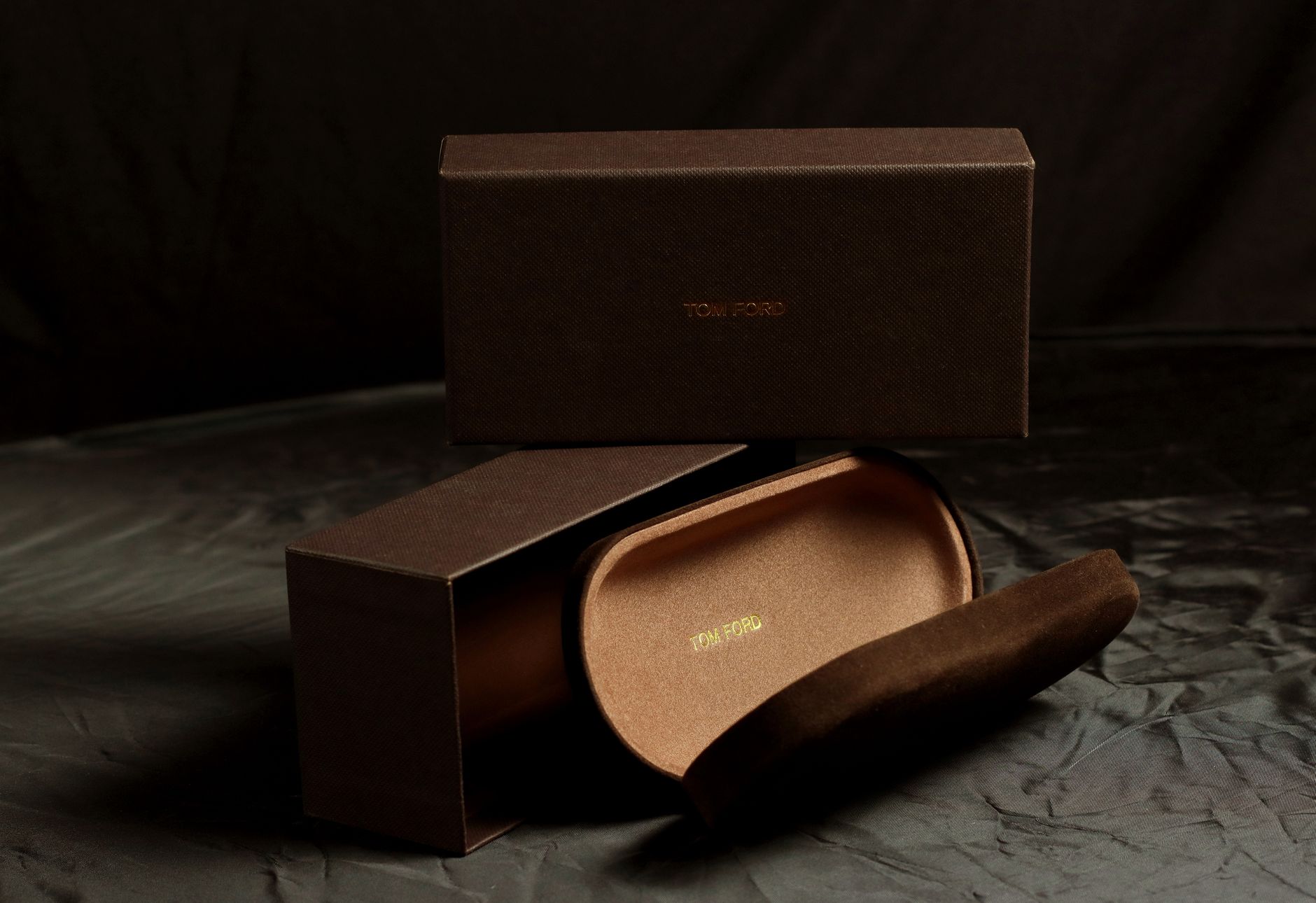
Photo by Ramesh Kambattan
Gathering Inspiration for Your Logo
Finding inspiration is a vital part of the design process. It's the moment when ideas collide and take shape.
Researching Competitors
Studying competitors' logos will open your eyes to prevalent design trends within the industry. What works? What doesn’t? You want to stand out, so identifying your competitors' strengths and weaknesses can help you create a logo that is both unique and competitive.
Exploring Existing Logo Trends
Keep an eye on current design trends that suit the optical industry. Flat design, minimalist aesthetics, or geometric shapes may resonate with the advanced technology you represent. Platforms like Pinterest and design websites can help showcase fresh ideas. This exploration often sparks creativity and leads to innovative concepts.
Choosing the Right Style for Your Logo
Once you're inspired, the next step is choosing a design style that conveys your optical instruments brand effectively.
Types of Logos to Consider
Logos can take many forms. You might opt for:
- Wordmarks: This style focuses solely on your business name, making it easy for customers to remember.
- Symbols: These logos utilize icons that reflect your brand visually, perfect for representing complex concepts in a simple way.
- Combination Marks: This approach merges text and imagery, making it versatile and recognizable.
Think about which type aligns with your brand's identity and audience.
Incorporating Visual Elements
Selecting the right colors and fonts is essential. Colors evoke emotions—blue might communicate trust, while green signifies growth. Fonts should reflect your brand's personality; a modern, clean typeface may signal innovation, whereas a serif font suggests tradition. Integrate symbols linked to optics, like lenses or light rays, to provide immediate context.
Using Logo Maker Shop for Your Design
Creating a logo doesn't have to be challenging. The Logo Maker Shop simplifies this process, making it accessible even for those without design skills.
Step-by-Step Guide to Logo Creation
- Start with Inspiration: Use the platform to explore logo ideas tailored for the optical instruments industry.
- Choose Your Style: Select a logo style (wordmark, symbol, combination).
- Customize Your Design: Edit colors, fonts, and layouts to find the right look.
- Download and Save: Once satisfied, download your logo in various formats.
Customizing Your Logo Design
Make the logo uniquely yours through customization. Adjust every element to reflect your brand’s personality. Want a bolder font or a different color palette? The Logo Maker Shop provides the tools to make all of these tweaks effortlessly.
Finalizing Your Logo Design
Once you have a draft, it’s time to refine the logo and prepare it for use.
Gathering Feedback
Seek out opinions on your design from peers, potential customers, and even friends. Fresh eyes can provide invaluable insights and may catch something you might have overlooked.
Testing Your Logo in Different Formats
View your logo in various sizes and contexts. Whether it’s on a business card, a website, or a billboard, your logo should maintain clarity and appeal across all formats.
Photo by Ramesh Kambattan
Launching Your New Logo
After finalizing your logo, it’s time to introduce it to the world.
Creating a Brand Launch Plan
Develop a marketing strategy that effectively unveils your new logo. Use press releases, email newsletters, and website updates to inform your audience about the rebranding.
Promoting Your Logo on Social Media
Social media is an excellent platform for generating buzz about your new logo. Design engaging posts that highlight your logo’s significance and invite feedback from your audience.
Conclusion
Your logo is more than just a design element; it’s the beacon of your brand in the optical instruments industry. By understanding your brand identity, gathering inspiration, selecting the right style, and utilizing tools like the Logo Maker Shop, you will create a logo that embodies your business's essence. Launch it wisely, and watch as it draws customers in with its design and story!

Michael Harper is a Senior Content Strategist at MarketInsider.co, a premier source for insights on digital marketing and business trends. With over 15 years of expertise in content development and strategic communications, Michael is renowned for his ability to craft compelling narratives that resonate with diverse audiences. He holds a Bachelor’s degree in Journalism from New York University and a Master’s degree in Business Administration from Columbia Business School. Outside of work, Michael is passionate about historical literature and enjoys hiking the trails of the Pacific Northwest.