How to Create a Logo for My Own Online Furniture Retailing Industry
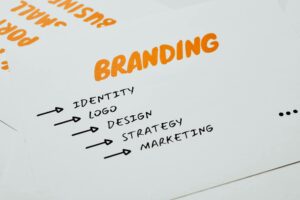
Creating a logo for your online furniture retail business is more than just an aesthetic choice; it’s an essential step toward establishing your brand identity. A well-designed logo can convey your values, attract customers, and communicate what you have to offer. With tools like the Logo Maker Shop, creating a professional-looking logo has never been easier, even if you're doing it yourself.
Understanding Your Brand Identity
Before designing a logo, it’s crucial to understand your brand identity. This identity sets the stage for how your business is perceived in the competitive furniture market. Your logo should reflect the style and ethos of your brand.
Defining Your Unique Selling Proposition
What makes your furniture store stand out? Is it your commitment to sustainability, your unique designs, or perhaps your exceptional customer service? Identifying your unique selling proposition (USP) is vital. This clear focus will help shape your logo, making it more resonant with your audience.
Researching Competitors
Take a look at the logos of competitors in the online furniture industry. Analyze what works and what doesn’t. Are there color schemes or shapes that seem to repeat? Use this information to ensure your logo is both unique and relevant, avoiding similarities that could confuse customers.
Finding Inspiration for Your Logo
Creativity can stem from various sources. Finding inspiration for your logo can fuel your design process and lead to exciting ideas.
Exploring Design Trends
Stay current by exploring popular design trends in the furniture industry. For example, minimalism is often favored for modern furniture brands, while vintage aesthetics might appeal to those who sell retro items. Staying informed will help ensure your logo is relevant and visually appealing.
Mood Boarding
Creating a mood board can provide a visual representation of your brand’s style. Gather images, colors, and typography that evoke your brand's essence. This collection will serve as a guide during the design process and help you maintain a consistent look.
 Photo by John Tekeridis
Choosing the Right Logo Type
When it comes to logo design, the type of logo you choose can greatly affect its impact.
Text-based Logos vs. Symbols
Text-based logos focus solely on your brand name, while symbol logos use an icon or image. For a furniture brand, a text-based logo may feel direct and relatable, while a symbol might add a modern touch. Consider what aligns more with your brand’s voice.
Combination Marks
Combining text and symbols can provide a versatile logo design. This approach allows you to convey your brand name alongside a visual element that represents your offerings, making it memorable.
Utilizing the Logo Maker Shop
With your ideas in mind, leveraging the tools available at the Logo Maker Shop will streamline your logo creation process.
Getting Started with the Logo Maker
Begin by visiting Logo Maker Shop. Choose a template that resonates with your vision, then customize it to incorporate your brand colors and fonts. This DIY approach puts you in control while offering professional results.
Customizing Your Logo
Once you’ve selected a template, tailor it to reflect your unique brand identity. Experiment with colors, adjust fonts, and consider adding specific imagery that represents your furniture style. The more personalized your logo, the more it’ll resonate with potential customers.
Color Psychology in Furniture Branding
Colors play an essential role in how customers perceive your brand. Understanding color psychology can significantly enhance your logo's effectiveness.
Choosing a Color Palette
Select colors that align with your brand's values. For instance, earthy tones might reflect sustainability, while vibrant colors could highlight modernity and freshness. Consistency in your color palette across your logo and marketing materials strengthens brand recognition.
Applying Color Theory
Consider using color theory to balance complementary colors. This deliberate choice can enhance visual appeal, making your logo not just attractive but also memorable for your customers.
Selecting Fonts for Your Logo
Fonts can express your brand's personality just as much as colors and images.
Font Selection Tips
Choose fonts that communicate your brand’s style. Serif fonts may convey tradition and reliability, while sans-serif fonts often feel more modern and approachable. Ensure the chosen font is legible, scalable, and versatile for various formats, from web to print.
Combining Fonts and Styles
Combining two different fonts can create visual interest and depth in your logo. For example, a sans-serif font for your brand name combined with a serif font for a tagline can strike the right balance between modern and classic.
Refining and Finalizing Your Logo Design
Once you’ve designed your logo, it’s time for final adjustments to ensure it’s perfect for launch.
Seeking Feedback
Gather feedback from peers, family, or even potential customers. Their perspectives can reveal insights you might have overlooked. Engage them in discussions about your logo's effectiveness and emotional response.
Final Adjustments
Use the feedback received to make any necessary tweaks. Whether it's a slight color adjustment or font size change, these final tweaks can make a significant impact.
Conclusion
Creating a compelling logo for your online furniture retailing business is not just an exercise in creativity; it’s a strategic move to build brand recognition and trust. By understanding your brand identity, researching competitors, gathering inspiration, and utilizing the Logo Maker Shop, you can craft a logo that truly reflects what your business stands for. Now that you have the steps laid out, take action, and start designing your logo today! With the right tools and mindset, your business can stand out in the competitive online furniture industry.

Michael Harper is a Senior Content Strategist at MarketInsider.co, a premier source for insights on digital marketing and business trends. With over 15 years of expertise in content development and strategic communications, Michael is renowned for his ability to craft compelling narratives that resonate with diverse audiences. He holds a Bachelor’s degree in Journalism from New York University and a Master’s degree in Business Administration from Columbia Business School. Outside of work, Michael is passionate about historical literature and enjoys hiking the trails of the Pacific Northwest.