How to Create a Logo for My Own Lighting Equipment Rental Industry
In today’s competitive market, having a compelling logo is crucial for your lighting equipment rental business. A logo acts as the visual centerpiece of your brand, communicating your identity and values to potential customers. By crafting a memorable logo, you establish trust and recognition among your audience, paving the way for business growth. For a user-friendly design experience, you can utilize the Logo Maker Shop, an exceptional resource to help you create a standout logo.
Understanding Your Brand Identity
Your brand identity serves as a guide through the logo design process. It's essential to clarify who you are and what you represent. This understanding will inform every decision you make while designing your logo.
Defining Your Target Audience
Who are you trying to reach? Knowing your customer base is vital in shaping your logo. Consider factors like age, profession, and style preferences. Is your primary audience event planners, music venues, or corporate clients? Understanding these demographics will allow you to tailor your logo to appeal directly to them, ensuring it resonates with your audience.
Articulating Your Brand Values
What values do you want your brand to convey? Reflect on the core principles that guide your business. Is it innovation, reliability, or sustainability? These values should shine through in your logo design. Incorporate elements that express your commitment to these ideals. For instance, if sustainability is a priority, consider eco-friendly colors or symbols that evoke this message.
Research and Inspiration
Before diving into the design process, gather inspiration specific to the lighting equipment rental industry.
Exploring Your Competitors
Start by analyzing your competitors’ logos. What design elements do they share? What makes them successful or ineffective? Identifying trends can help you avoid similarities, ensuring your logo is unique in the market. This analysis offers a chance to differentiate your brand from the rest.
Gathering Visual Inspiration
Platforms like Pinterest and Behance are goldmines for design ideas. Search for logos related to your industry and save your favorites. Create a mood board filled with visual concepts that resonate with your vision. You might find color schemes, fonts, or shapes that inspire your final design.
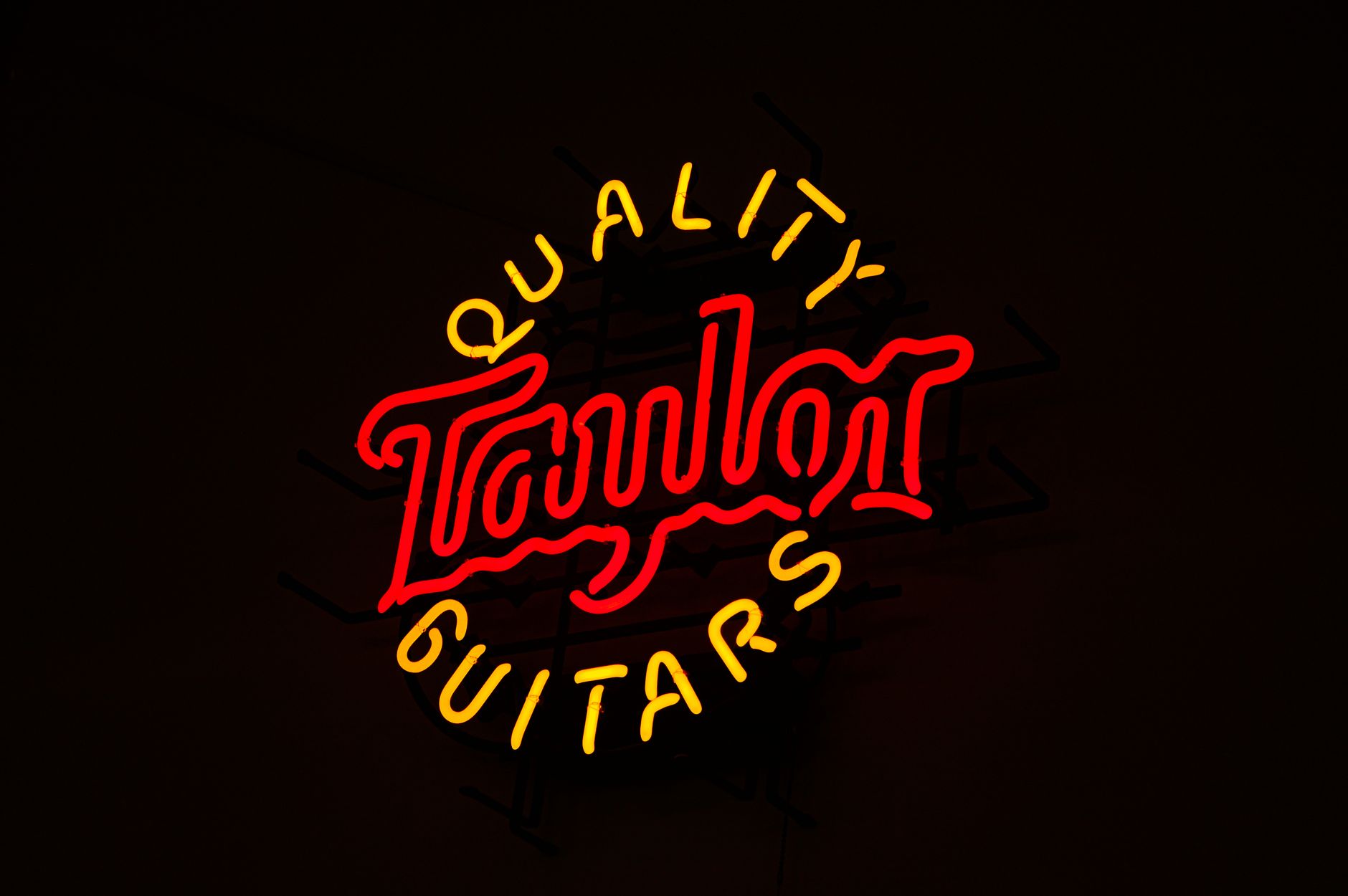 Photo by Stany Beer
Logo Design Process
Once you're equipped with insights and inspiration, it’s time to roll up your sleeves and start designing your logo.
Choosing Logo Type
Logos come in various forms, each serving a unique purpose. The main types include:
- Wordmark: A logo that is purely text, emphasizing your brand's name. Ideal if your name is distinctive.
- Symbol: An icon that represents your brand without text, perfect for visually striking impressions.
- Combination: Merges both text and a symbol, offering versatility and clarity.
Choosing the right type depends on your business goals and the message you wish to convey.
Selecting Color Schemes
Color plays a crucial role in branding; it evoked emotions and perceptions. When selecting colors, think about their psychological impacts:
- Yellow: Energy and cheerfulness, often associated with lighting.
- Blue: Trust and professionalism.
- Green: Growth and sustainability.
Consider a color palette that aligns with your brand values. Use tools available at the Logo Maker Shop to visualize various color combinations.
Selecting Fonts
Fonts can dramatically change the perception of your logo. Choose typography that complements your brand persona. A modern sans-serif might convey innovation and professionalism, while a script font could add an artistic touch. Ensure legibility across various sizes.
Using the Logo Maker Shop
Take advantage of the Logo Maker Shop to bring your creation to life. This platform offers customization options and user-friendly tools, making the design process smooth and enjoyable. You can easily experiment with different elements until you find a combination that resonates with your brand's identity.
For a detailed guide on using this tool, check out How to Create Logos with Logo Maker Shop.
Finalizing Your Logo
After you've crafted your logo, it's time to refine and finalize your design.
Gathering Feedback
Don’t hesitate to seek opinions from peers or prospective customers. Platforms like social media can be great for gauging reactions. Collecting feedback can help identify areas for improvement, ensuring your logo stands out.
Ensuring Versatility
Your logo will appear across various mediums—business cards, websites, social media, signage—so ensure it looks great everywhere. It should be scalable without losing its integrity. Testing its appearance in different sizes and formats is essential before finalizing your design.
Implementing Your Logo
Now that your logo is ready, it's time to incorporate it into your branding strategy.
Integrating with Marketing Materials
Use your logo consistently across all marketing materials. Whether it's on business cards, your website, or promotional items, a unified look strengthens brand recognition.
Harnessing Consistency Across Platforms
Consistency is key in branding. Your logo should maintain the same design elements—colors, sizes, and placements—across all platforms. This uniformity builds trust and familiarity among your audience.
Conclusion
Creating a logo for your lighting equipment rental business requires thoughtful consideration of your brand identity, audience, and values. By using resources like the Logo Maker Shop, you can simplify the design process. Remember to gather feedback and ensure your design is versatile and consistent across all marketing materials. Embrace this opportunity to establish a solid brand presence in a competitive market—it's time to get started!

Michael Harper is a Senior Content Strategist at MarketInsider.co, a premier source for insights on digital marketing and business trends. With over 15 years of expertise in content development and strategic communications, Michael is renowned for his ability to craft compelling narratives that resonate with diverse audiences. He holds a Bachelor’s degree in Journalism from New York University and a Master’s degree in Business Administration from Columbia Business School. Outside of work, Michael is passionate about historical literature and enjoys hiking the trails of the Pacific Northwest.