How to Create a Logo for My Own Lighting Design Industry
A logo serves as the backbone of your brand identity, especially within the lighting design industry. It’s not just a pretty picture; it embodies your essence and communicates who you are to potential clients. Whether it’s a sleek modern design or a warm, inviting glow that you wish to evoke, your logo plays a pivotal role in attracting your target audience and differentiating you from competitors.
Understanding Your Brand Identity
To create a logo that truly represents your lighting design business, you need to delve into your brand identity.
Define Your Target Audience
Who are you designing for? Understanding your target audience helps you tailor your logo to resonate with them. Are your ideal clients residential homeowners, commercial businesses, or architects? Knowing this influences your design choices—from the colors you select to the fonts you use. Think about what appeals to them. Do they prefer elegant styles or modern aesthetics? Create a visual story that will speak to them directly.
Articulate Your Brand Values
In the lighting design field, values such as sustainability and innovation can be significant selling points. Your logo should reflect these core values. For instance, if you focus on eco-friendly lighting solutions, incorporating green colors or natural themes could help convey this commitment. Take the time to clarify what you stand for and how those principles can be illustrated in your logo design.
Finding Inspiration for Your Logo
Gathering inspiration is a crucial step in your logo creation journey.
Explore Existing Lighting Logos
Review the logos of other lighting design businesses, but use this research wisely. While it’s beneficial to see what’s out there, aim to create something original. Take note of what works and what doesn’t in competitor logos. This analysis will guide your creative process without leaning too heavily on imitation.
Use Mood Boards
Creating a mood board is a fantastic way to visualize your concepts. Collect images, colors, and typography that reflect your vision for your lighting brand. This tool will help you see how various elements might work together. A mood board not only organizes your thoughts but also inspires you as you enter the design phase.
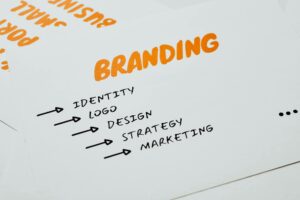
 Photo by cottonbro studio
Choosing Logo Design Elements
Now that you've gathered your thoughts and inspirations, it's time to focus on the design elements.
Selecting Colors
Color plays a critical role in design, especially for lighting. Different colors evoke different feelings. For example, warm yellows and oranges can offer a cozy vibe, while blues can reflect calmness and professionalism. Think about the mood you wish to convey with your lighting solutions and select colors that align with that vision.
Choosing Fonts and Typography
Your choice of typography can make or break your logo. Fonts speak volumes about your brand personality. A sleek, modern font might suggest professionalism, while a whimsical script might evoke creativity. Choose fonts that align with your brand identity and the message you want to send to your audience.
Utilizing Logo Maker Shop for Your Logo
Creating your logo doesn’t have to be a Herculean task. The Logo Maker Shop simplifies the process, making it accessible for anyone.
Steps to Create Your Logo
- Visit Logo Maker Shop.
- Choose a Template: Look through designs specific to the lighting industry.
- Customize Your Design: Modify colors, fonts, and layouts to match your vision.
- Preview and Adjust: Ensure your logo looks great from every angle.
Customizing Your Logo
The beauty of using Logo Maker Shop is that it allows for substantial customization. This means you won’t just settle for the first design you create. Adjust the colors, font sizes, and shapes until they reflect your unique brand identity.
Refining Your Logo Design
Design is an iterative process, and refining your logo is essential.
Gathering Feedback from Peers
After creating a draft of your logo, gather opinions from peers, friends, or even potential clients. Their feedback can provide insights you may have overlooked. Don’t take criticism personally. This is about making your logo the best representation of your brand.
Testing Logo Versatility
Make sure your logo functions well across different platforms—be it a business card, website, or social media. A good logo should retain its appeal in various sizes and formats. Check if your logo still communicates your brand identity when scaled down for social media icons or resized for promotional materials.
Finalizing and Implementing Your Logo
Now that your logo is polished, it’s time to finalize and implement it.
Making a Final Decision
Choose your final logo with confidence. Trust your instincts and the feedback you've gathered. This logo will represent your brand for years to come, so make sure it aligns with your vision and values.
Putting Your Logo to Work
Once you’ve settled on the final design, make it a central piece of your marketing strategy. Use your logo consistently across all platforms—website, business cards, social media, and packaging. The more your audience sees it, the stronger their association with your lighting design business will become.
Conclusion
Creating a logo for your own lighting design industry is a rewarding journey filled with self-discovery and creativity. You’ve taken the time to understand your brand identity, draw inspiration, select design elements, and utilize tools like Logo Maker Shop to bring your vision to life.
Now is the time to start this exciting process. Your logo is not just a design; it's a symbol of your business and the values you stand for. So, dive in and let your creativity shine!

Michael Harper is a Senior Content Strategist at MarketInsider.co, a premier source for insights on digital marketing and business trends. With over 15 years of expertise in content development and strategic communications, Michael is renowned for his ability to craft compelling narratives that resonate with diverse audiences. He holds a Bachelor’s degree in Journalism from New York University and a Master’s degree in Business Administration from Columbia Business School. Outside of work, Michael is passionate about historical literature and enjoys hiking the trails of the Pacific Northwest.