Creating a Logo for the Legal Transcription Industry
In the competitive landscape of the legal transcription industry, having a strong logo is paramount. This visual representation of your business not only reflects professionalism but also lays the foundation for effective branding. A well-crafted logo can set you apart, giving potential clients confidence in your services from their very first interaction.
Understanding Your Brand Identity
When embarking on your logo design journey, it's crucial to grasp your brand identity deeply. This identity should encapsulate the essence of your legal transcription services, distinguishing your business from others in the field.
Defining Your Mission and Values
Start by articulating your mission and core values. What drives your business? Is it accuracy, timeliness, or perhaps a commitment to confidentiality? By identifying these values, you create a narrative around your brand that can be visually translated into your logo. For example, if accuracy is your main selling point, your logo might integrate elements that convey precision and clarity.
Identifying Your Target Audience
Next, consider your target audience. Who are your ideal clients? Are they lawyers, legal assistants, or firms looking for reliable transcription services? Understanding their needs and characteristics will guide your logo design. This insight helps ensure that your logo speaks directly to those who will be using your services, making it instantly relatable.
Inspiration and Research
Before you start sketching ideas, take some time to gather inspiration and conduct thorough research.
Exploring Competitor Logos
Look into what your competitors are doing with their logos. This doesn't mean you should copy them; rather, analyze their designs to understand market expectations. What colors do they use? What style resonates with the legal profession? This research will provide a benchmark and inspire your own unique identity.
Utilizing Mood Boards
Creating a mood board can be an effective way to visualize your brand's aesthetic. Collect images, color swatches, and fonts that resonate with your vision. This process is not just about selecting pretty elements; it helps to solidify the feeling you want your brand to evoke.
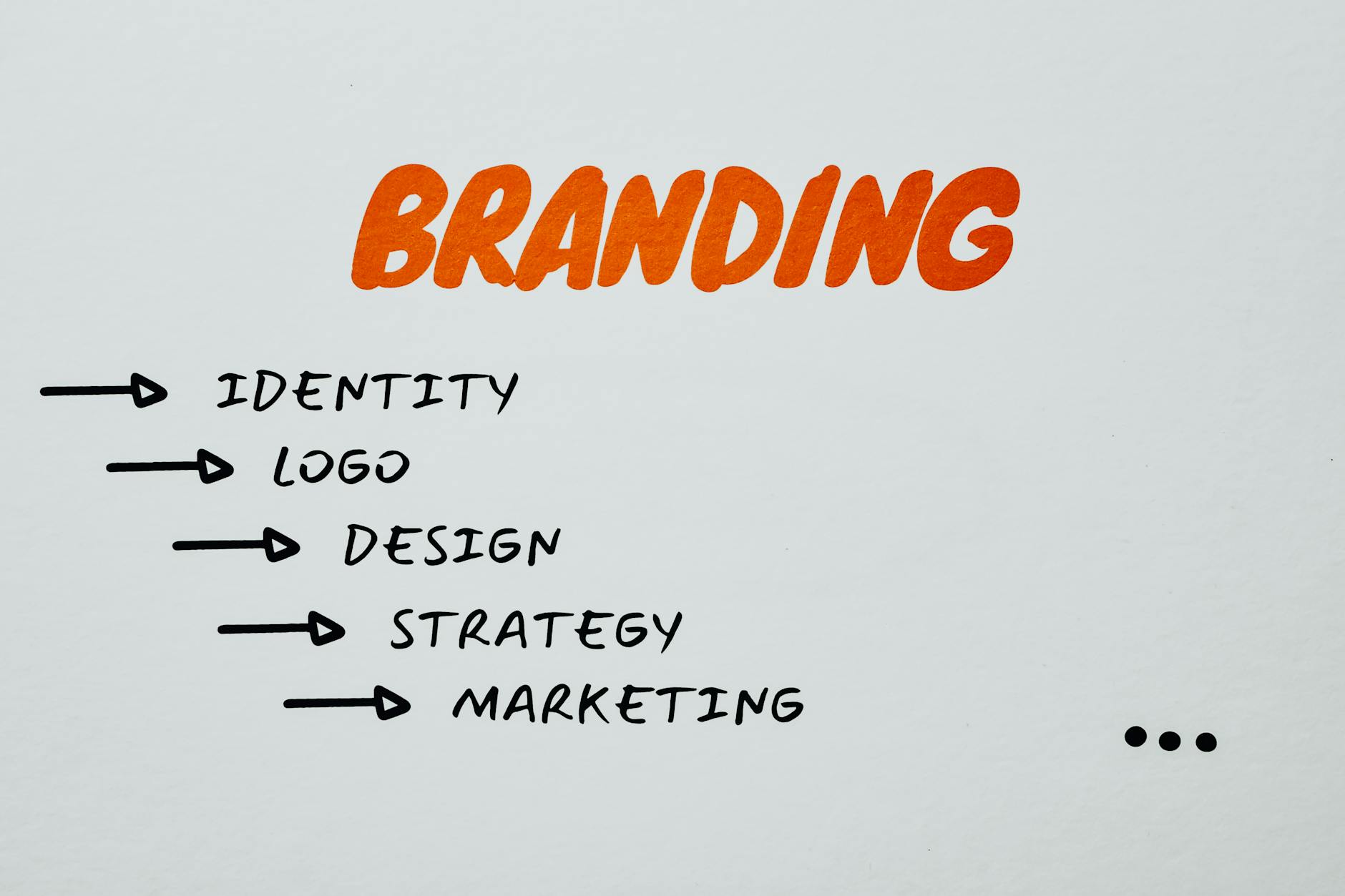 Photo by Eva Bronzini
Choosing the Right Logo Style
Once you have clarity on your brand identity, it’s time to decide on the style of your logo.
Types of Logos: Wordmarks vs. Symbols
Logos can typically be categorized into two types: wordmarks (text-based) and symbols (icon-based). For the legal transcription industry, a wordmark logo might serve you best, as it directly communicates your business name and adds a layer of professionalism. Alternatively, a symbol could represent your services abstractly, but be cautious—it must be distinctive enough to stand on its own.
Minimalist vs. Detailed Designs
Both minimalist and detailed designs have their merits. A minimalist logo can often convey professionalism and clarity, making it an excellent choice for legal transcription. Opting for a more detailed design might be tempting, but it can sometimes complicate the message you want your logo to deliver. Clarity is key in the legal sphere.
Color and Font Selection
The colors and fonts you choose for your logo will significantly impact how it’s perceived by your audience.
Choosing Professional Colors
In the legal field, colors like navy blue, dark green, or charcoal gray resonate well. These colors evoke trust, professionalism, and reliability—qualities essential for your target market. Avoid overly bright or flashy colors as they can detract from the professionalism you aim to convey.
Font Choices for Clarity
Select fonts that enhance readability while maintaining a professional look. Serif fonts often work well in legal contexts due to their classic and formal appearance, conveying a sense of authority. However, ensure the font aligns with your brand’s personality.
Creating Your Logo with Logo Maker Shop
Now that you have a clear plan, it’s time to bring your logo to life. One of the best tools at your disposal is the Logo Maker Shop. This platform simplifies the logo creation process and offers various customizable options ideal for the legal transcription industry.
Step-by-Step Guide to Using Logo Maker Shop
- Start with a Template: Choose a logo template that aligns with your vision and brand identity.
- Customize Elements: Adjust colors, fonts, and symbols to better reflect your brand's values and message.
- Preview Your Logo: Check how your logo looks in different formats, such as on a business card or website.
Customizing Your Design
Take advantage of Logo Maker Shop’s features to tailor your design to perfection. Modify your color palette, play with font styles, and add relevant symbols that capture your essence as a legal transcription provider.
Finalizing and Applying Your Logo
After creating your logo, you need to finalize and implement it effectively.
Review and Feedback
Before settling on your final design, seek feedback from colleagues or mentors in the legal field. Their fresh perspective can reveal insights you might have overlooked, ensuring your logo resonates well with the intended audience.
Implementation Across Platforms
Once you’ve finalized your logo, integrate it into all aspects of your branding. This includes your website, business cards, letterheads, and social media profiles. Consistency is key, as it reinforces your brand identity and recognition.
Wrapping It Up
Creating a logo for your legal transcription business is much more than just design; it's about building trust and professionalism. By understanding your brand identity, seeking inspiration, and using tools like Logo Maker Shop, you can craft a logo that speaks volumes. Now it's time for you to take these steps and embark on your logo creation journey—your brand's visual impact starts here.

Michael Harper is a Senior Content Strategist at MarketInsider.co, a premier source for insights on digital marketing and business trends. With over 15 years of expertise in content development and strategic communications, Michael is renowned for his ability to craft compelling narratives that resonate with diverse audiences. He holds a Bachelor’s degree in Journalism from New York University and a Master’s degree in Business Administration from Columbia Business School. Outside of work, Michael is passionate about historical literature and enjoys hiking the trails of the Pacific Northwest.