How to Create a Logo for My Own Laminated Veneer Lumber Industry
Creating a logo specifically for your laminated veneer lumber industry isn't just a simple design task; it's a vital step in establishing your brand identity. A well-crafted logo can significantly enhance your brand visibility and credibility, making it an essential investment for your business. Let's dive into the process of logo creation and how it can uniquely reflect your laminated veneer lumber products.
Understanding Your Brand Identity
To set the stage, it's important to understand what laminated veneer lumber (LVL) is and how your brand fits into this industry. LVL is an engineered wood product made from multiple layers of thin wood veneers, bonded together with adhesive. This creates a strong, durable material used in various construction applications.
Defining Your Unique Value Proposition
What sets your lumber products apart? Is it sustainability, durability, or perhaps innovative manufacturing methods? Your logo should symbolize these unique aspects. Think of it as your brand's story encapsulated in a visual image—something that speaks to your audience about quality and craftsmanship.
Identifying Your Target Audience
Who are you trying to reach? Your target audience may include builders, architects, DIY enthusiasts, and homeowners. Each of these groups has different expectations and preferences when it comes to design. Understanding these nuances will help tailor your logo to resonate with them.
Research and Inspiration for Your Logo
Gathering ideas and inspiration is a crucial step in the design process. It involves exploring various sources, including your competitors and the environment around you.
Exploring Competitors’ Logos
Take some time to analyze the logos of competitors in the laminated veneer lumber sector. Look for trends—are there common colors, styles, or symbols that seem effective? What works? What doesn't? This analysis can help you avoid pitfalls and offer inspiration for your unique design.
Finding Inspiration from Nature and Materials
Nature is a fantastic source of inspiration, especially in industries connected to wood. Consider looking at actual wood textures, colors, and shapes. The richness of natural wood elements can often lead to a unique and appealing logo design that reflects the essence of your products.
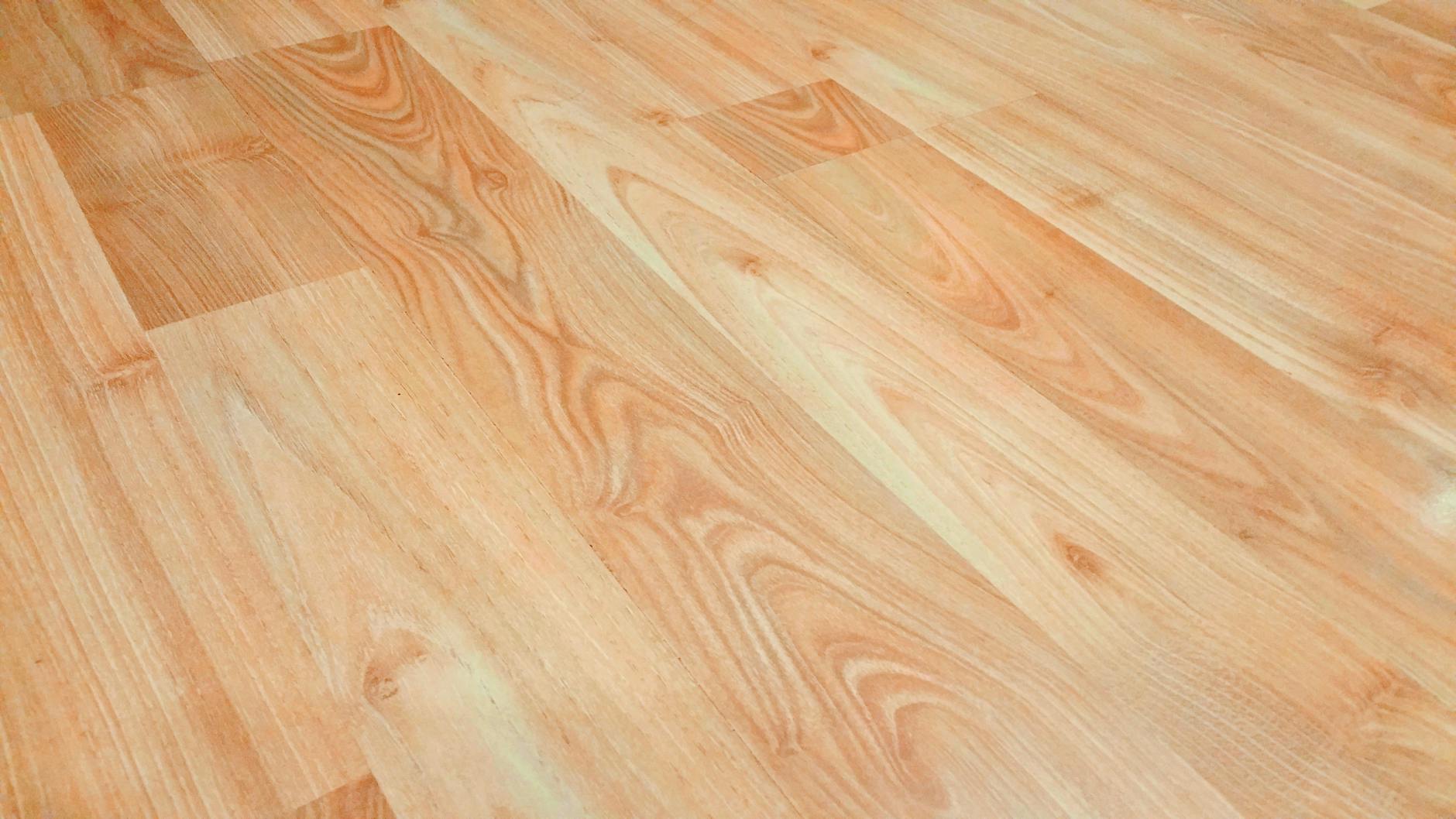
Photo by Digital Buggu
Designing Your Logo
Now comes the exciting part—actually designing your logo. Here’s a step-by-step approach to make the process manageable.
Choosing the Right Logo Maker
Start by selecting a logo maker that suits your needs. The Logo Maker Shop offers a user-friendly platform where you can create your logo from scratch. The tools provided are designed for DIY enthusiasts looking to craft impactful designs without hiring a designer.
Selecting Colors and Fonts
Color psychology plays a significant role in how your brand is perceived. For instance, earthy tones like browns and greens can evoke feelings of reliability and sustainability—perfect for your industry. Pair these colors with fonts that reflect strength and elegance to complete your design.
Creating a Draft Logo
Don’t hesitate to create multiple drafts and variations. Experiment with different layouts, colors, and symbols. This is your chance to explore various creative possibilities and see what aligns best with your brand identity.
Refining and Finalizing Your Logo
Once you have a draft, it’s time to refine your design.
Gathering Feedback from Stakeholders
Seek input from colleagues, customers, and friends. What do they like or dislike about the design? Gathering diverse perspectives can provide valuable insights that enhance your logo before finalizing it.
Testing Your Logo in Different Formats
Make sure your logo looks good in various applications. Whether displayed on a website, business card, or product packaging, it should maintain its integrity and appeal. This is a crucial step in ensuring your logo is versatile and effective across different media.
Implementing Your Logo in Branding
A logo is just one aspect of your brand identity. Implementing it consistently across all marketing materials is key to building recognition.
Using Your Logo on Products and Packaging
Your logo should be prominently featured on product labels, packaging, and promotional materials. This not only increases brand visibility but also builds trust with your customers. A well-placed logo can make your products instantly recognizable.
Creating Brand Guidelines
Consider establishing brand guidelines that dictate how your logo should be used. This includes specifications about scaling, placement, and color variations. Having a clear rulebook helps maintain consistency and professionalism across all platforms and materials.
Conclusion
In the laminated veneer lumber industry, a well-designed logo can set your business apart from competitors. It encapsulates your brand identity, resonates with your target audience, and communicates your unique value proposition. By following these steps to create a logo, you are investing in a vital element of your branding strategy. So, roll up your sleeves, get creative, and let your logo reflect the strength and quality of your laminated veneer lumber business!

Michael Harper is a Senior Content Strategist at MarketInsider.co, a premier source for insights on digital marketing and business trends. With over 15 years of expertise in content development and strategic communications, Michael is renowned for his ability to craft compelling narratives that resonate with diverse audiences. He holds a Bachelor’s degree in Journalism from New York University and a Master’s degree in Business Administration from Columbia Business School. Outside of work, Michael is passionate about historical literature and enjoys hiking the trails of the Pacific Northwest.