How to Create a Logo for My Own Lamb Production Industry
Creating a logo for your lamb production business is a vital step in establishing your brand identity. A well-designed logo not only sets you apart from competitors but also conveys your values, ethics, and unique qualities in the lamb production industry. In this guide, you’ll discover practical steps to create a distinctive and memorable logo that resonates with your target audience.
Understanding Your Brand Identity
Brand identity is the overall perception of your business in the minds of consumers. It's more than just a logo; it's the essence of what your lamb production business stands for.
Defining Your Unique Selling Proposition (USP)
What makes your lamb production unique? Maybe you specialize in organic lamb or follow sustainable farming practices. Identifying your USP will shape the foundation of your logo. This can be the difference between a customer choosing you over the competition. Write down key attributes that set your business apart. This will guide your design choices.
Values and Ethics in Lamb Production
Today’s consumers are increasingly interested in sustainability and animal welfare. Representing these values in your logo can create a strong connection with your audience. Consider using symbols or colors that evoke feelings of trust and care for the environment. Your logo should express commitment to ethical practices, making it appealing to conscientious consumers.
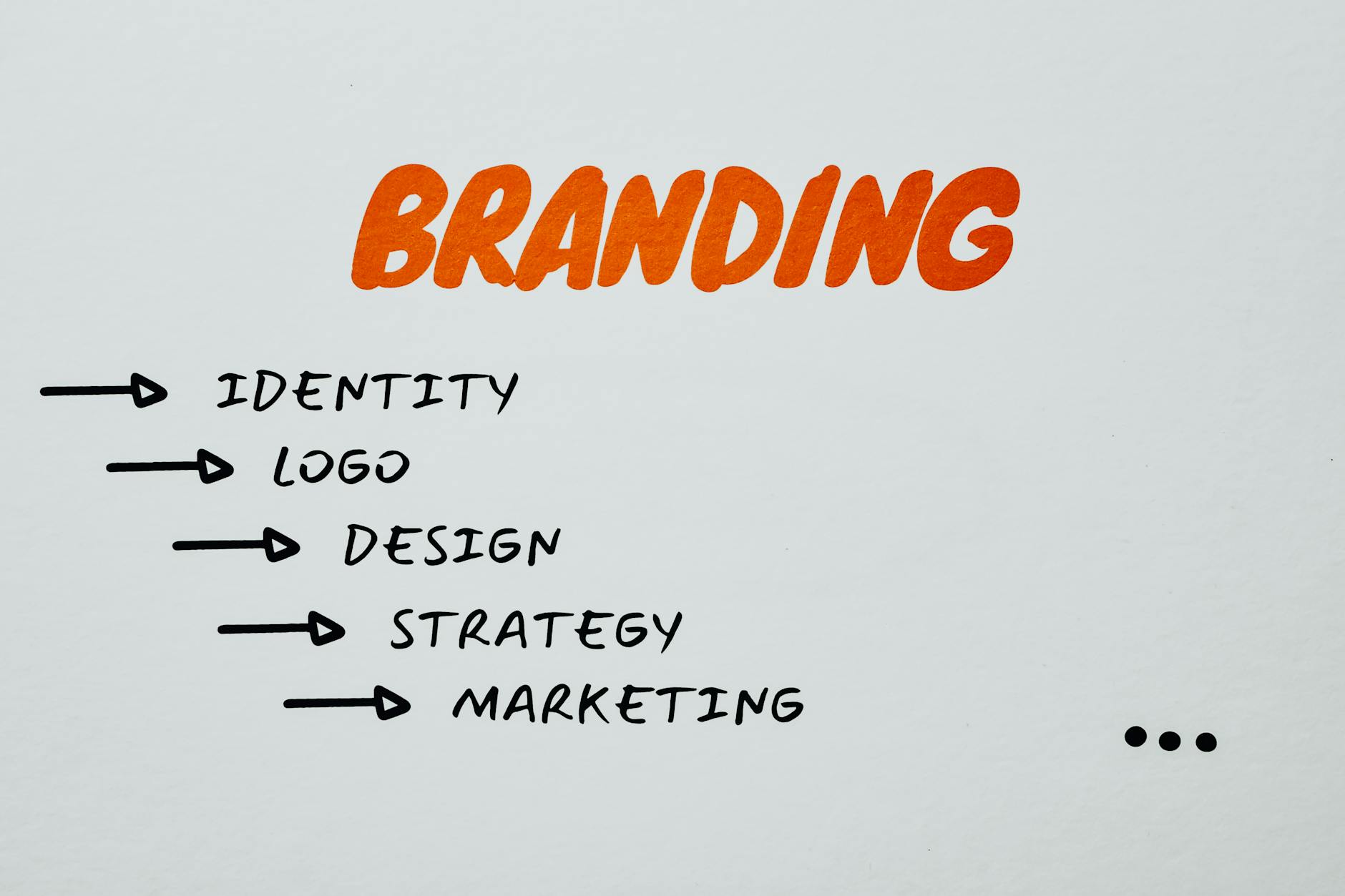 Photo by Eva Bronzini
Gathering Inspiration for Your Logo
Inspiration can be found everywhere, especially within the agricultural and lamb production sectors.
Researching Competitors
Start by examining logos of other lamb producers. Look for common themes, colors, and styles. What works well? What doesn’t? This analysis can help you find a unique angle and ensure your logo stands out in the crowded marketplace.
Exploring Design Trends
Keeping up with branding trends in agriculture will give you an edge. Currently, minimalist logos with clean lines are popular. Consider the use of rustic or earthy elements that connect to lamb production. Online platforms like Pinterest or design blogs can offer fresh ideas. By exploring current trends, you can craft a logo that feels modern yet true to your roots.
Choosing Design Elements for Your Logo
A logo consists of various components—colors, fonts, and symbols—that create a cohesive design.
Color Psychology
Colors evoke emotions and can influence consumer perceptions. For your lamb production logo, consider greens to symbolize freshness and health, browns to signify earthiness, and whites for purity. Think about how these colors can reflect your brand identity. Your color palette should align with the message you want to convey.
Font Selection
Typography is another critical aspect of logo design. The font you choose can express your brand's personality—whether it's playful, serious, traditional, or modern. A clean, easy-to-read font often works best. Ensure that it complements the other elements of your design and remains versatile across various mediums.
Using Online Tools for Logo Creation
Creating a logo doesn’t have to be complicated. The Logo Maker Shop is an excellent resource for designing your logo with ease. You can choose from templates, customize colors, fonts, and icons, all while ensuring a professional look.
Step-by-Step Guide to Using Logo Maker Shop
-
Visit the Logo Maker Shop: Start by visiting Logo Maker Shop.
-
Explore Templates: Browse the selection of industry-specific templates to find inspiration.
-
Customize Your Design:
- Adjust colors to reflect your brand values.
- Choose an appropriate font that aligns with your identity.
- Incorporate symbols that resonate with the lamb production.
-
Preview in Different Formats: Ensure your logo looks fantastic across various applications—from business cards to social media profiles.
-
Download Your Logo: Once satisfied, download it in high quality for print and digital use.
Finalizing Your Logo Design
Feedback is vital before you settle on a final design. Engaging with peers can provide valuable insights.
Seeking Opinions from Stakeholders
Share your logo drafts with friends, family, or collaborators in the industry. Ask for their honest opinions. Fresh eyes can catch details you might overlook. Take their feedback seriously, as these perspectives can help you polish your design.
Testing the Logo in Different Contexts
Before launching your logo, test it in various settings. Visualize how it will appear on packaging, social media, and business cards. This will help ensure consistency and effectiveness across all platforms.
Implementing Your New Logo
Once your logo is finalized, it’s time to put it to work across all branding materials.
Updating Marketing Materials
Revamp essential items with your new logo, including:
- Product packaging
- Business cards
- Social media profiles
- Website
Each touchpoint where your logo appears solidifies your brand identity in the minds of customers.
Engaging Your Audience with the New Logo
Announce your new logo to your existing audience on social media and through email newsletters. Share the story behind your logo design and what it represents. Engaging your audience in this manner fosters a stronger connection.
Conclusion
Creating a logo for your lamb production industry is an exciting journey towards establishing your brand identity. By understanding your unique market position, gathering inspiration, choosing the right design elements, and utilizing resources like the Logo Maker Shop, you will effectively design a logo that resonates with customers. So, roll up your sleeves and start crafting a logo that reflects the soul of your lamb production business—you’ve got this!

Michael Harper is a Senior Content Strategist at MarketInsider.co, a premier source for insights on digital marketing and business trends. With over 15 years of expertise in content development and strategic communications, Michael is renowned for his ability to craft compelling narratives that resonate with diverse audiences. He holds a Bachelor’s degree in Journalism from New York University and a Master’s degree in Business Administration from Columbia Business School. Outside of work, Michael is passionate about historical literature and enjoys hiking the trails of the Pacific Northwest.