How to Create a Logo for Your Gourmet Food Pairing Industry Business
Creating a logo for your gourmet food pairing business is a crucial step in establishing a strong brand identity. This guide will walk you through the process, from understanding your brand to crafting a visually compelling logo using the Logo Maker Shop's tools and techniques.
Understanding Your Gourmet Food Pairing Brand
A compelling logo reflects your brand's personality and resonates with your target audience. Clearly defining your brand is essential.
Defining Your Brand Identity
What's the core essence of your brand? What values do you champion? Are you sophisticated and upscale, or approachable and budget-friendly? Consider the feeling you want your business to evoke. A passionate pursuit of unique flavor combinations might be represented by a vibrant, dynamic logo. A focus on traditional pairings could benefit from a more classic design. Think about adjectives that best describe your brand and target audience. What's your brand's personality? Consider your brand's voice. What tone will you use in marketing materials and social media?
Identifying Your Target Audience
Who are you trying to reach? Sophisticated foodies? Budget-conscious individuals? Or perhaps a combination? Knowing your target audience allows you to design a logo that speaks directly to them. Do some research on this. What are their demographics? Their interests? Understanding your target audience is essential to creating a logo that truly connects with your ideal customers.
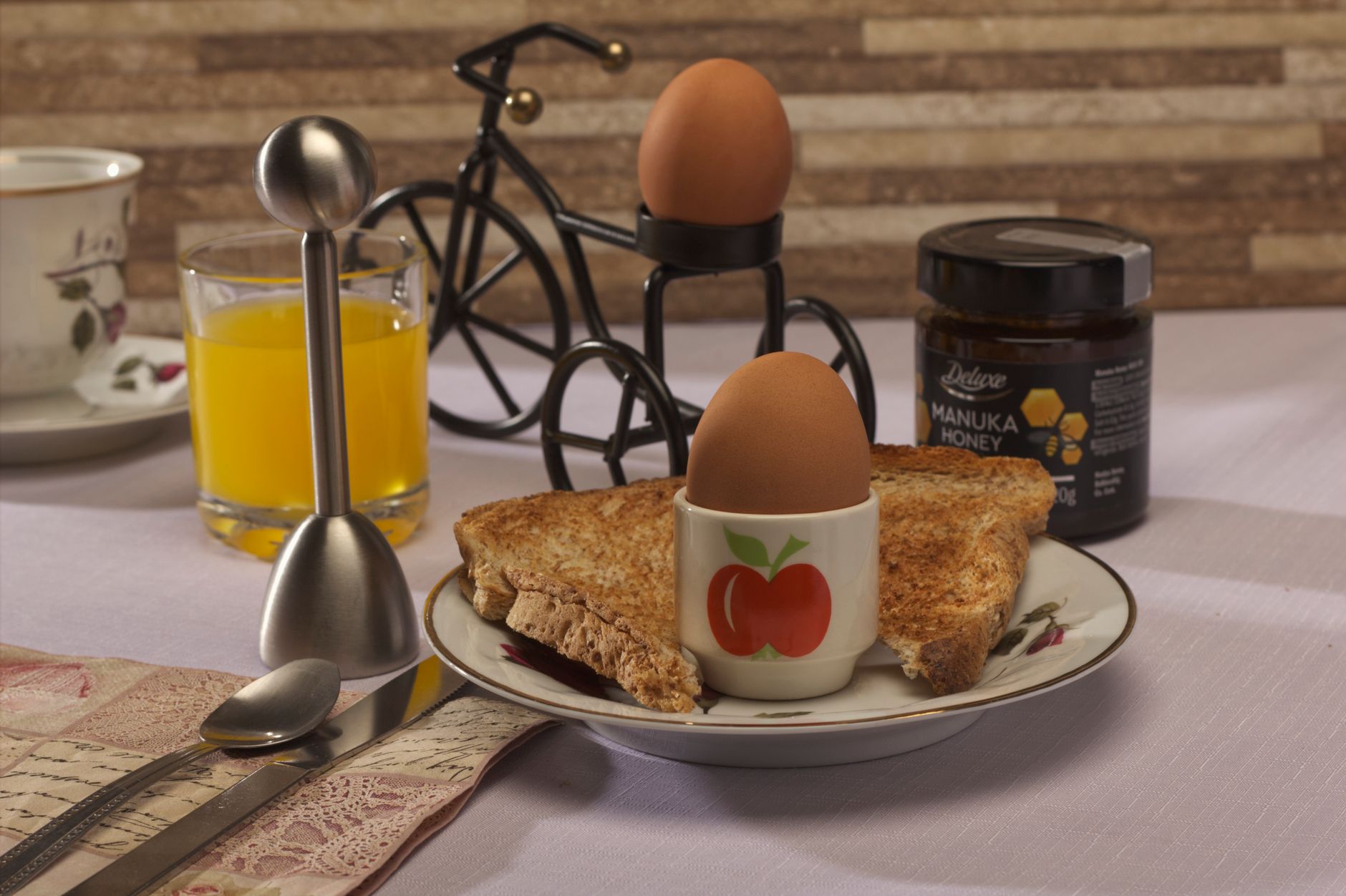 Photo by Tony Flood (https://www.pexels.com/@tonyflood)
Key Considerations for Your Logo Design
Your logo design is more than just aesthetics. It should communicate the essence of your brand.
Choosing the Right Logo Maker Shop Tools
The Logo Maker Shop offers a comprehensive platform for crafting your logo. Explore the available templates. Customize these templates to match your brand. The Logo Maker Shop's tools provide numerous design elements and styles. You can tailor your chosen design to perfectly match your brand and vision.
Understanding Logo Styles and Elements
Different logo styles communicate unique messages. Consider a minimalist style for a modern, upscale brand. A more illustrative design could work for a more playful, artisan-style brand. Think about colors, fonts, and imagery. Consider how these elements will work together to communicate your brand's message. A combination of different elements can often amplify your brand story.
Creating Your Logo: Step-by-Step Guide
Creating a logo is a journey, not a sprint.
Utilizing Effective Visual Communication Tools
The Logo Maker Shop provides various resources to bring your logo concept to life. These tools allow for easy customization. You can efficiently refine elements like color palettes, fonts, and imagery. Use these tools to ensure your logo effectively communicates your brand's unique selling proposition. This can significantly boost your brand's overall impact.
Testing Your Logo Design
Gather feedback from potential customers. Use the Logo Maker Shop's platform to refine your design based on this feedback. Adjust colors, fonts, and imagery. Test the logo on social media. Is it easily recognizable? Does it communicate your brand values? You can tweak your design until it resonates. Iterate based on observations and feedback.
Conclusion
Now you're equipped with the knowledge and tools to craft a logo that perfectly represents your gourmet food pairing brand. Embrace the creative process, utilize the resources offered by the Logo Maker Shop, and watch your business thrive. Designing a logo takes time, but it doesn't have to be complicated. Be bold, be creative, and don't be afraid to experiment. Remember, your logo is a crucial piece of your brand identity, so make sure it accurately reflects your brand values.

Michael Harper is a Senior Content Strategist at MarketInsider.co, a premier source for insights on digital marketing and business trends. With over 15 years of expertise in content development and strategic communications, Michael is renowned for his ability to craft compelling narratives that resonate with diverse audiences. He holds a Bachelor’s degree in Journalism from New York University and a Master’s degree in Business Administration from Columbia Business School. Outside of work, Michael is passionate about historical literature and enjoys hiking the trails of the Pacific Northwest.