How to Create a Logo for My Own Generator Repair Industry
Creating a logo is an essential part of establishing your brand identity in the generator repair industry. A well-crafted logo not only attracts customers but also reflects your business values and helps you stand out in a crowded market. In this guide, you’ll discover the process of creating a logo that speaks to your audience and represents your generator repair business effectively.
Understanding Your Generator Repair Brand
Identify Your Unique Selling Points
First, you need to identify what sets your generator repair service apart. Consider factors like your expertise, turnaround time, customer service, and pricing. Are you known for speedy service, eco-friendly practices, or a friendly, customer-first approach? Pinpointing these unique aspects will help inform your logo design. A strong logo communicates these values without saying a word, acting as a visual shortcut to what you offer.
Define Your Target Audience
Understanding your ideal customers is crucial. Are they residential clients looking for small repairs, or are they businesses needing regular maintenance? Knowing your audience helps you design a logo that resonates with them. Consider their demographics, preferences, and pain points. By doing so, you can tailor your logo to appeal directly to them.
Finding Inspiration for Your Logo
Explore Logo Ideas
Now that you have a clearer understanding of your brand and audience, it’s time to get inspired. Check out logo ideas at Logo Ideas – Boon. Browse through various designs and note what catches your eye. Pay attention to shapes, colors, and styles that you think align with your business values.
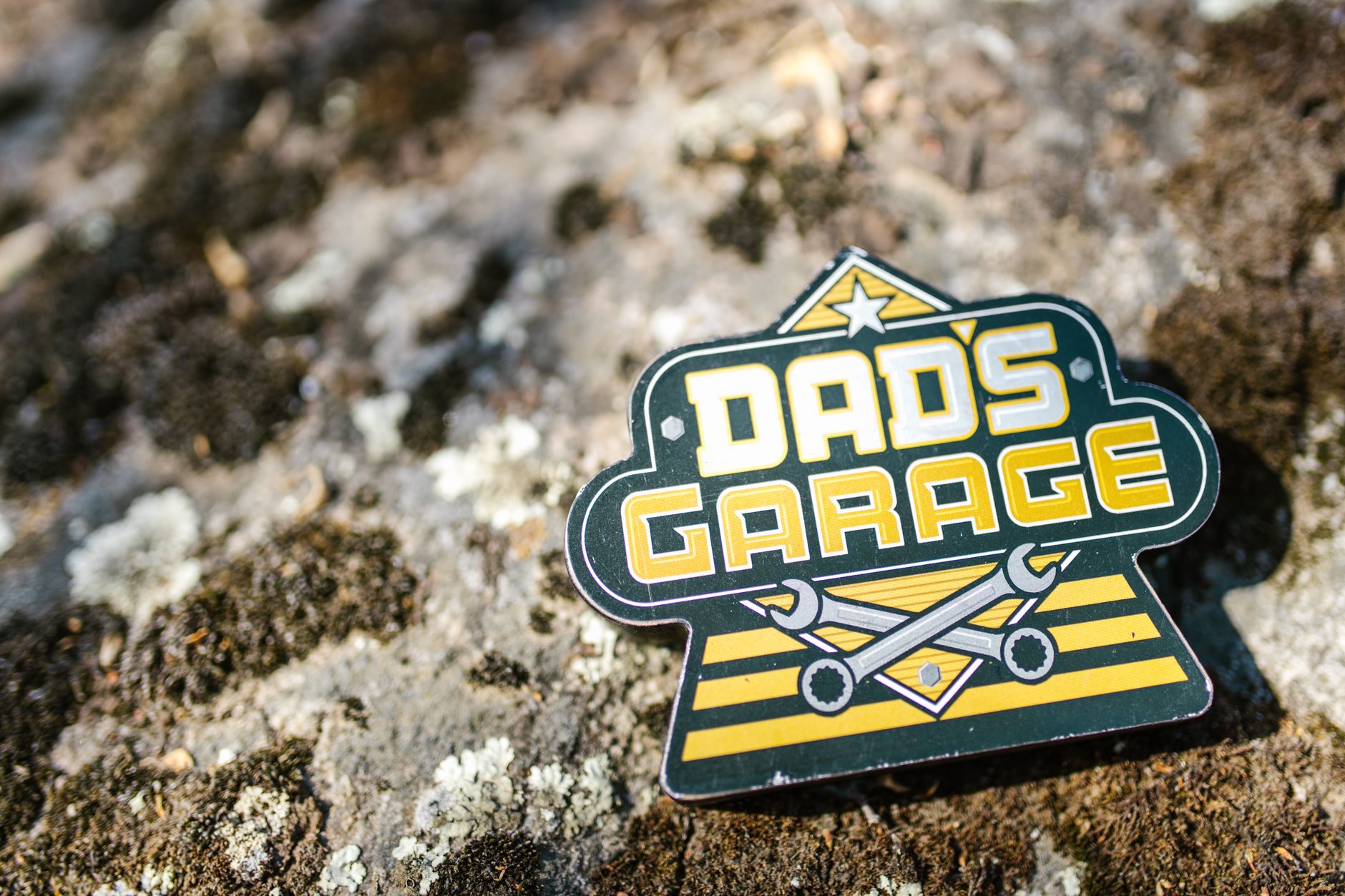 Photo by RDNE Stock project
Use Mind Mapping Techniques
Mind mapping is a fantastic way to visualize your logo concepts. Start with your main idea in the center and branch out with themes, styles, colors, and symbols. This technique can help you see connections between different elements you might want to incorporate into your logo.
Choosing the Right Style for Your Logo
Classic vs. Modern Styles
Deciding on your logo style can affect how your business is perceived. A classic style might evoke trust and reliability, ideal for an industry like generator repair that values experience. In contrast, a modern logo can suggest innovation and forward-thinking. Think about what aligns best with your business mission and audience expectations.
Incorporate Industry-Related Symbols
Your logo could benefit from using symbols relevant to the generator repair industry. Consider incorporating graphics like gears, wrenches, or even a generator silhouette. These symbols immediately convey what your business offers, making it easier for potential customers to understand your services.
Deciding on Logo Type
Wordmark or Lettermark
A wordmark logo uses your business name in a stylized typeface, while a lettermark relies on initials. Both options can work effectively, especially if you focus on typography. For example, if your business name is long or complex, a lettermark might simplify it while still being memorable.
Pictorial Marks or Abstract Logos
Pictorial marks use images to represent your brand straightforwardly. On the other hand, abstract logos use shapes or logos that symbolize ideas without being directly linked to the service. Choose a type that aligns with your branding strategy and how you want to communicate with your audience.
Color and Typography Choices
Understanding Color Psychology
Colors evoke emotions and associations. For generator repair, you might consider blue for trust and reliability, or orange for energy and warmth. Think carefully about how your chosen colors align with your brand identity.
Selecting Fonts that Reflect Your Brand
Typography plays a vital role in logo design. A sturdy, bold font can convey strength and reliability, while something more modern might suggest innovation. Choose fonts that resonate with the values you want your repair service to communicate.
Creating the Logo Using Logo Maker Shop
Using the Logo Maker Shop simplifies the logo creation process. They offer a user-friendly platform for designing a professional logo tailored to your needs.
Step-by-Step Logo Creation Process
To create your logo, visit How to Create Logos with Logo Maker Shop – Boon. You'll be guided through a clear process where you can select styles, colors, and even incorporate symbols relevant to the generator repair industry.
Feedback and Refinement Process
Seek Input from Trusted Peers
Once you've created your initial design, gather feedback from colleagues, friends, or even potential customers. Constructive criticism can provide insights you might not have considered.
Make Adjustments Based on Feedback
Take the feedback into account and make necessary adjustments. This refinement process may involve tweaking colors, fonts, or even rechanging elements of the design to better reflect your brand.
Finalizing and Applying Your Logo
Using Your Logo in Marketing Materials
Your logo should be consistent across all platforms, whether on your website, business cards, or promotional materials. Consistency builds brand recognition and trust.
Adhering to Branding Guidelines
Develop a branding guideline to maintain a unified look across all marketing materials. This includes usage rules for your logo, colors, fonts, and overall brand presentation.
Conclusion
Creating a logo for your generator repair business is an essential step in establishing a strong brand identity. By thoroughly understanding your brand, exploring inspiration, choosing the right style and colors, utilizing tools like the Logo Maker Shop, and refining through feedback, you can design a logo that resonates with your audience. A well-crafted logo will not only attract customers but also reinforce your business's values for years to come. So roll up your sleeves and get started on your logo creation journey!

Michael Harper is a Senior Content Strategist at MarketInsider.co, a premier source for insights on digital marketing and business trends. With over 15 years of expertise in content development and strategic communications, Michael is renowned for his ability to craft compelling narratives that resonate with diverse audiences. He holds a Bachelor’s degree in Journalism from New York University and a Master’s degree in Business Administration from Columbia Business School. Outside of work, Michael is passionate about historical literature and enjoys hiking the trails of the Pacific Northwest.