Creating a Logo for Your Gasoline Retail Industry
A well-crafted logo acts as the face of your gasoline retail business. Think of it as the first handshake you offer to potential customers. In an industry saturated with competition, a striking logo can easily attract customers and establish your brand identity. If you’re asking yourself, “How to create a logo for my own Gasoline Retail Industry?”, this guide will walk you through each essential step.
Understanding Your Brand Identity
Branding in the gasoline retail sector isn’t merely about colors and fonts; it’s about conveying a message. Your brand identity should reflect the essence of your business and resonate with your customers.
Defining Your Mission and Values
What fuels your gasoline retail business? Defining your mission should be the first step in your logo design process. Are you committed to sustainability? Do you prioritize speed and convenience? Your logo should mirror these values.
For instance, if you aim to be the eco-friendliest option in town, consider how you can incorporate green elements into your logo, from color to imagery. This approach not only sets your business apart but also communicates your ethos to your customers.
Identifying Your Target Audience
Understanding your customers is crucial. The demographics of gasoline retail customers can vary widely, but a sizable portion may revolve around daily commuters, business fleet managers, or recreational travelers.
Ask yourself: Who are they? What do they value? A logo that resonates with a family-oriented audience may differ vastly from one aimed at truck drivers.
Finding Inspiration for Your Logo Design
Inspiration doesn’t just fall from the sky; it comes from research and observation.
Researching Competitor Logos
Study your competitors’ logos. What do they look like? What brands stand out? By analyzing their designs, you’ll not only identify successful trends but also discover opportunities to differentiate yourself.
Ask yourself, What can I do differently? If most logos in your area use bold colors, consider muted tones for a fresh perspective, or vice versa.
Using Branding Resources
The Logo Maker Shop is a fantastic resource for generating creative ideas. You can explore various designs and customize them to fit your gasoline retail brand. Check out Logo Ideas for inspiration tailored specifically to your niche.
Choosing the Right Logo Style
The style of your logo significantly impacts how your audience perceives your brand.
Wordmark and Letterform Logos
Wordmark logos use the full name of your gasoline brand, which can enhance recognition. Consider a wordmark if you have a catchy name that sticks in people’s minds. Similarly, letterform logos focus on initials. These styles work well because they aid memorability.
Symbolic Logos and Icons
Using symbols similar to fuel pumps or gas drops can visually convey what your business represents.
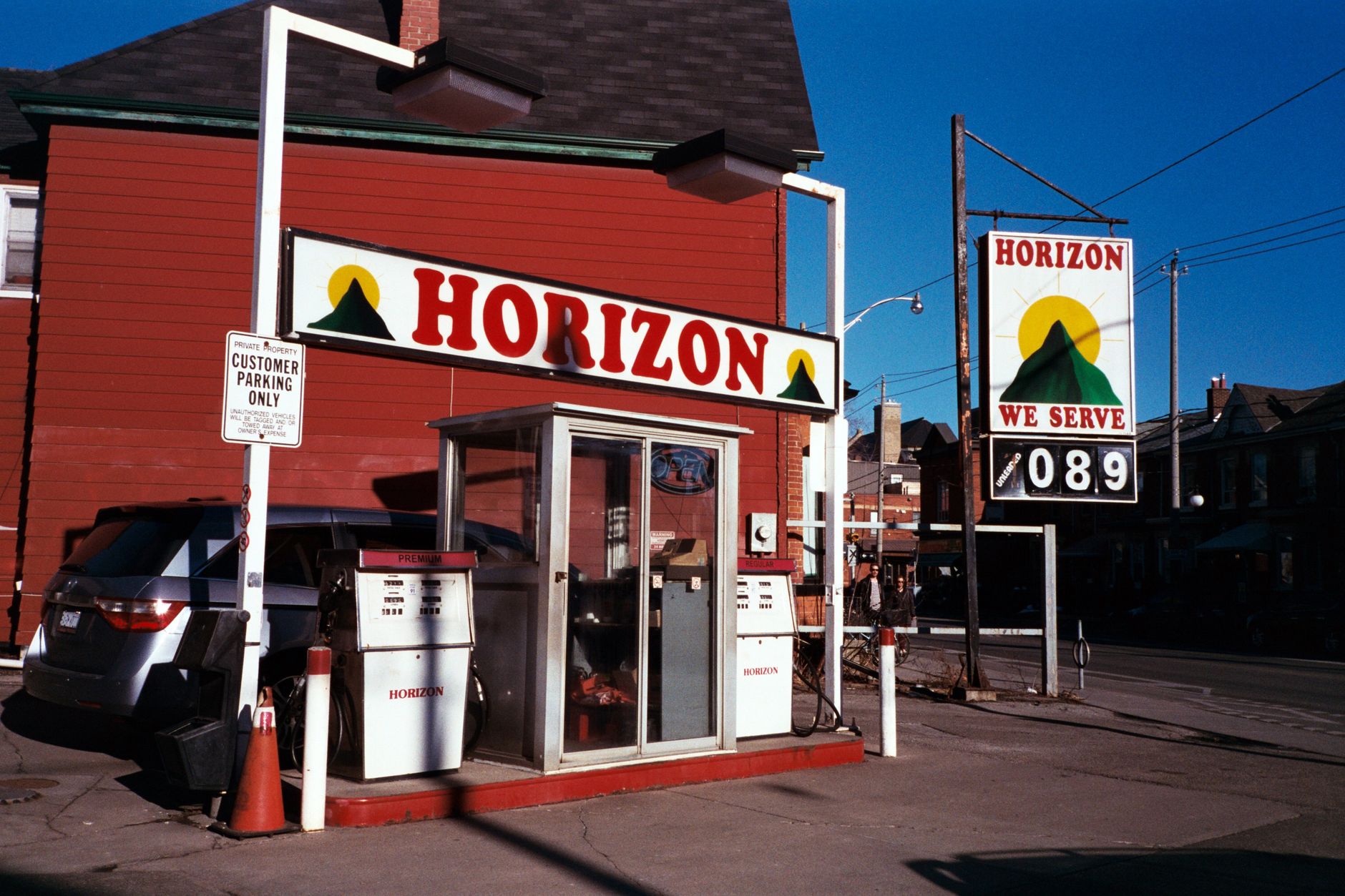
Photo by Jill Evans
Selecting Colors and Fonts
Colors and fonts play pivotal roles in branding.
Color Psychology in Gasoline Industry
Colors evoke emotions. Red often signifies urgency—the rush to fill up before a long journey. Blue can convey trustworthiness, while green aligns with a sustainable brand image. Choose colors that reflect the sentiments you wish to evoke in your customers.
Choosing Fonts That Align with Your Brand
Fonts do more than convey information; they deliver subtle cues about your business. A strong, bold typeface can communicate reliability, while sleek scripts can portray sophistication. Align your choice with your branding goals.
For deeper insights on color psychology, check out Branding 101: Amazing Meaning of Logo Colors.
Creating Your Logo Using Logo Maker Shop
Utilizing the Logo Maker Shop simplifies the logo creation process into manageable steps.
Step-by-Step Logo Creation Process
- Start with Your Brand Identity: Input your mission and values.
- Choose a Logo Style: Pick a template that resonates with your audience.
- Customize Colors and Fonts: Experiment until it feels right.
- Preview and Iterate: Make adjustments as needed.
This user-friendly approach allows anyone, regardless of design experience, to craft a logo that represents their gasoline business effectively.
Refining Your Logo Design
Once you have an initial design, step back and reassess. Does it align with your brand? Ask friends or colleagues for feedback. This can reveal insights you might otherwise overlook.
Finalizing and Using Your Logo
Finalizing your logo is a crucial step, but it doesn’t end there.
Testing Your Logo's Effectiveness
Gather feedback from your target audience. Does it resonate? Conduct surveys or informal discussions to gauge its impact. Choosing the right look ensures your logo won’t just be another image but a representation of your brand story.
Utilizing Your Logo in Marketing Strategies
Be sure to put your logo to work across various platforms. From gas station signs to social media profiles, your logo should be prominent and consistent. It’s your brand’s face in the market, showcasing who you are.
Conclusion
A strong logo is integral for your gasoline retail business, acting as a beacon for potential customers. By carefully considering your brand identity, researching your competition, and creatively designing your logo, you can create a lasting impression. Ready to begin? Take the first steps today and start crafting a logo that encapsulates your business’s essence. Using resources like the Logo Maker Shop, you can navigate this journey with ease and confidence.

Michael Harper is a Senior Content Strategist at MarketInsider.co, a premier source for insights on digital marketing and business trends. With over 15 years of expertise in content development and strategic communications, Michael is renowned for his ability to craft compelling narratives that resonate with diverse audiences. He holds a Bachelor’s degree in Journalism from New York University and a Master’s degree in Business Administration from Columbia Business School. Outside of work, Michael is passionate about historical literature and enjoys hiking the trails of the Pacific Northwest.