How to Create a Logo for My Own Fur Farming Industry
Creating a logo is a pivotal step in establishing your brand identity in the fur farming industry. Think of a logo as the face of your business; it not only represents your company visually but also builds trust and recognition among your audience. A well-designed logo can convey your commitment to quality and the values you uphold in your fur farming practices.
Understanding Your Brand Identity
Before jumping into the design process, it's essential to pinpoint what your brand stands for. Your brand identity encompasses everything from your mission and values to the products you offer.
Defining Your Unique Selling Proposition (USP)
What makes your fur farming business unique? Perhaps you focus on sustainable practices, high-quality products, or ethical treatment of animals. Your USP is the heartbeat of your brand and should shape every design decision you make, including your logo. For example, if you emphasize sustainability, you might want to incorporate earthy tones or nature-inspired motifs in your logo.
Researching the Market and Audience
Understanding your target audience is crucial for creating a logo that resonates with them. Start by analyzing your competitors and their branding strategies. What colors do they use? What images are commonly associated with their brands? By gathering insights on what appeals to your potential customers, you can develop a logo that stands out while meeting their expectations.
Finding Inspiration for Your Logo
Looking for design ideas can be an exciting step! Keep your creative juices flowing by exploring various sources.
Exploring Logo Design Trends
Stay updated on current trends in logo design. For the agriculture and fur farming sectors, simplicity and authenticity are often favored. Consider looking into minimalistic designs that focus on clean lines and straightforward symbolism.
Creating a Mood Board
A mood board is a visual tool that can help clarify your vision. Gather images, colors, and fonts that you feel resonate with your brand. This will serve as a reference point and help you ensure consistency in your design approach. Don’t hesitate to explore platforms like Pinterest or Behance for inspiration.
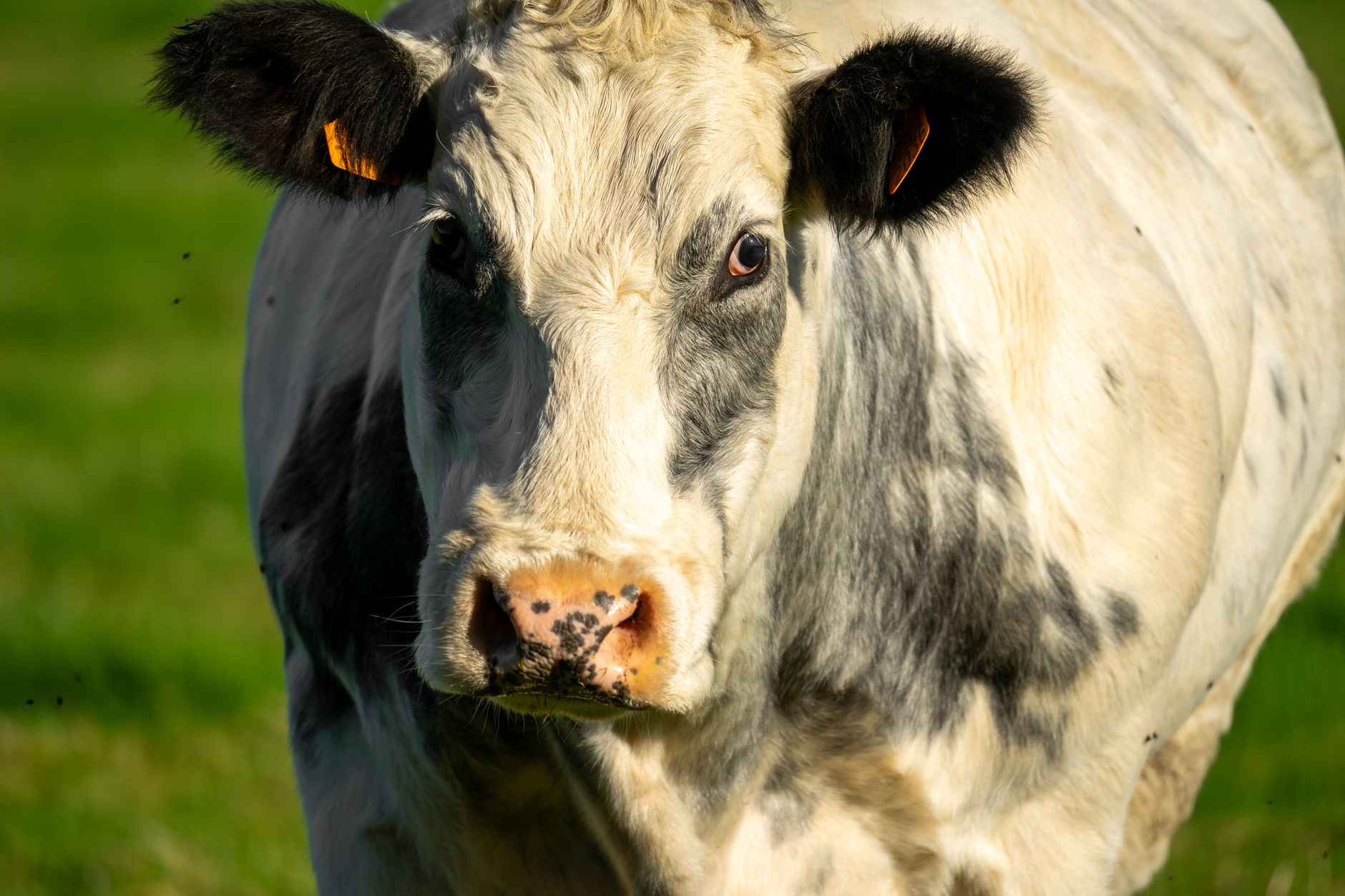
Photo by Wijs
Choosing Logo Elements
The components of your logo—color, font, and shape—play a critical role in conveying your brand’s identity.
Selecting Colors that Convey Meaning
Color psychology can significantly influence how your brand is perceived. For instance, green often represents growth and sustainability, making it a great choice for a fur farming business that prioritizes eco-friendly practices. On the other hand, earthy tones can evoke a sense of connection to nature, which may resonate well with your audience.
Choosing Appropriate Fonts
Fonts aren't just letters; they tell a story, too. A modern sans-serif font might suggest innovation, while a classic serif can signal tradition and reliability. Think about your brand personality and choose a font that reflects that.
Deciding on Logo Shapes and Symbols
Certain shapes and symbols can say a lot about your business. Round shapes may evoke feelings of community and unity, while sharp lines can convey professionalism. As for symbols, consider using imagery that represents your business, like animals or natural elements, to make your logo relatable and memorable.
Utilizing the Logo Maker Shop
Creating your logo has never been easier thanks to the Logo Maker Shop. This online tool simplifies the design process for entrepreneurs like you who want to take a hands-on approach to branding.
Step-by-Step Guide to Designing Your Logo
- Visit the Logo Maker Shop: Start by entering your business name and tagline, if applicable.
- Select Your Industry: Choose "Fur Farming" to see industry-relevant templates.
- Browse Templates: Review the logo designs that resonate with your vision.
- Customize Your Logo: Adjust the colors, fonts, and symbols until you find the perfect fit for your brand.
- Download and Use: Once satisfied, download your logo in high resolution for use across various platforms.
For a deeper dive, check out How to Create Logos with Logo Maker Shop.
Refining Your Design
After creating your logo, get feedback from peers or potential customers. Sometimes a fresh set of eyes can catch details you might overlook. Don't hesitate to make adjustments to ensure your logo perfectly encapsulates your brand vision.
Putting Your Logo to Use
Your logo isn't just a pretty design; it should be used effectively across all your branding materials.
Branding Consistency Across Platforms
Having a consistent brand image is crucial for building recognition. Use the same logo across your website, social media platforms, and printed materials. This consistency helps to establish a trustworthy brand presence.
Promoting Your Brand with Your Logo
Including your logo in marketing materials is an excellent way to build brand awareness. Use it in digital ads, brochures, and even on merchandise. The more people see your logo, the more it will become synonymous with your quality and values in the fur farming industry.
In conclusion, creating a logo for your fur farming business is a rewarding journey that plays a significant role in how your brand is perceived. Take your time to define your brand identity, gather inspiration, and utilize effective tools like the Logo Maker Shop. By following these steps, you'll be well on your way to designing a memorable logo that encapsulates your brand and resonates with your audience. So, roll up your sleeves and get started! Your brand's bright future awaits.

Michael Harper is a Senior Content Strategist at MarketInsider.co, a premier source for insights on digital marketing and business trends. With over 15 years of expertise in content development and strategic communications, Michael is renowned for his ability to craft compelling narratives that resonate with diverse audiences. He holds a Bachelor’s degree in Journalism from New York University and a Master’s degree in Business Administration from Columbia Business School. Outside of work, Michael is passionate about historical literature and enjoys hiking the trails of the Pacific Northwest.