How to Create a Logo for Your E-commerce Marketing Business
Ready to launch your e-commerce marketing business? A strong brand identity, starting with a compelling logo, is crucial. This guide will walk you through designing a logo that resonates with your target audience and effectively conveys your brand message.
This isn't just about aesthetics; it's about creating a visual representation of your unique value proposition and attracting the right customers. Crafting a great logo is achievable, even without professional design experience.
Understanding Your Brand Identity
Your brand identity is the core of your e-commerce business. It encompasses your values, mission, target audience, and overall personality. Consider these questions: What problems do you solve? What makes your business unique? What values do you champion? Who are you trying to reach? Answering these questions is the first step to crafting a logo that truly reflects your brand.
Defining Your Brand Message
Clearly articulate the message you want to communicate through your logo. Are you focused on high-quality products, exceptional customer service, or innovative marketing strategies? Your logo should visually embody this message. Think about how you can translate your key selling points into a strong visual statement.
Target Audience and Market Research
Thorough market research is essential for crafting a logo that resonates with your target audience. Consider their age, interests, lifestyle, and preferences. Understanding their needs and motivations will guide your design choices.
Logo Design Ideas and Inspiration
Look for inspiration! Browse successful brands in your industry and note their logo design elements. Consider the colors, typography, and overall style. Are there any common visual themes or motifs you notice? This research can jumpstart your own creative process.
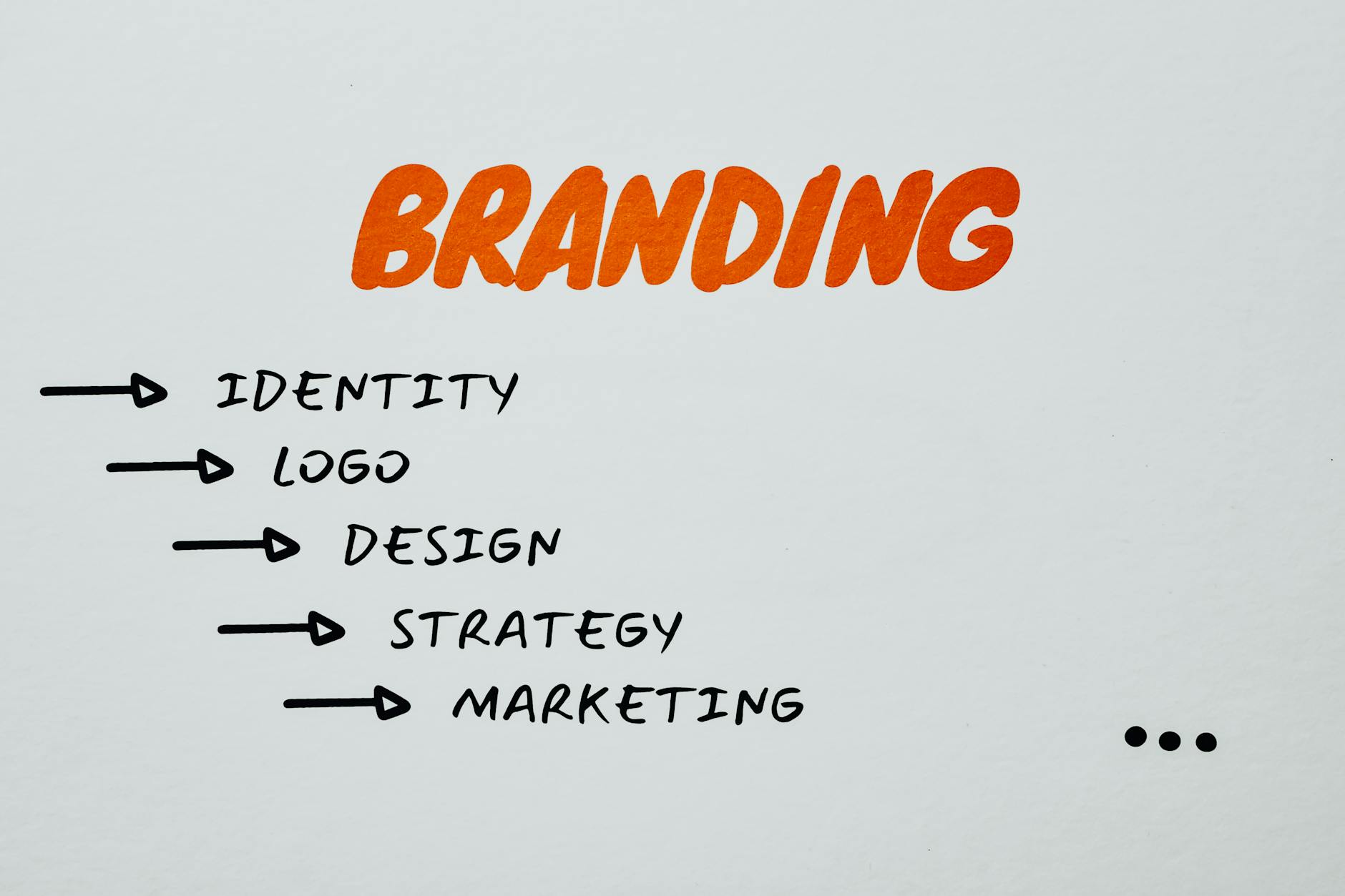 Photo by Eva Bronzini (https://www.pexels.com/@eva-bronzini)
Choosing a Logo Style
Select a logo style that aligns with your brand personality. Consider whether a modern, minimalist, vintage, or illustrative style best reflects your target audience. Each style evokes different emotions and associations. Experiment with different styles to find the perfect fit.
Creating a Logo with Logo Maker Shop
The Logo Maker Shop makes it simple to design a professional logo. Its intuitive tools guide you every step of the way.
Logo Design Software and Tools
Logo Maker Shop provides user-friendly design tools. Forget complex software; its intuitive interface makes logo design accessible to everyone.
Utilizing Templates and Resources
Leverage the readily available templates and design resources in Logo Maker Shop to accelerate your design process. Tailor these templates to precisely reflect your brand's identity and needs.
Key Design Elements
Craft your logo with thoughtful consideration of colors, typography, and other design elements. Select colors that evoke the right emotions and align with your brand message. Choose fonts that are both visually appealing and readable. Pay close attention to these details to create a polished final product.
Iterating and Refining Your Logo Design
Fine-tune your logo until it perfectly embodies your brand. Don't be afraid to experiment with variations and get feedback. Refine your logo to ensure it effectively communicates your brand's essence.
Conclusion
Crafting a logo for your e-commerce marketing business is a significant step in establishing a strong brand identity. Use the tools and resources available to you and start creating a logo that reflects your e-commerce marketing business's core values, mission, and target audience. By carefully considering design elements and implementing feedback, you can create a visually appealing logo that effectively communicates your brand message. Start designing your logo today at https://logomakershop.com/.

Michael Harper is a Senior Content Strategist at MarketInsider.co, a premier source for insights on digital marketing and business trends. With over 15 years of expertise in content development and strategic communications, Michael is renowned for his ability to craft compelling narratives that resonate with diverse audiences. He holds a Bachelor’s degree in Journalism from New York University and a Master’s degree in Business Administration from Columbia Business School. Outside of work, Michael is passionate about historical literature and enjoys hiking the trails of the Pacific Northwest.