How to Create a Logo for Your Own E-Discovery Industry Business
Launching an e-discovery business? A strong logo is crucial. It's your visual identity, and it sets the tone for your entire brand. This guide will walk you through crafting a logo that attracts clients and builds trust, using a DIY approach.
Understanding Your Brand in the E-Discovery Industry
The e-discovery industry is unique. It demands a professional and trustworthy image. Your logo needs to reflect expertise and meticulous processes. Unlike other industries, e-discovery deals with sensitive data, requiring a logo that projects reliability. How can a logo communicate this in a competitive market? It needs to convey professionalism, attention to detail, and a sophisticated understanding of the legal processes involved.
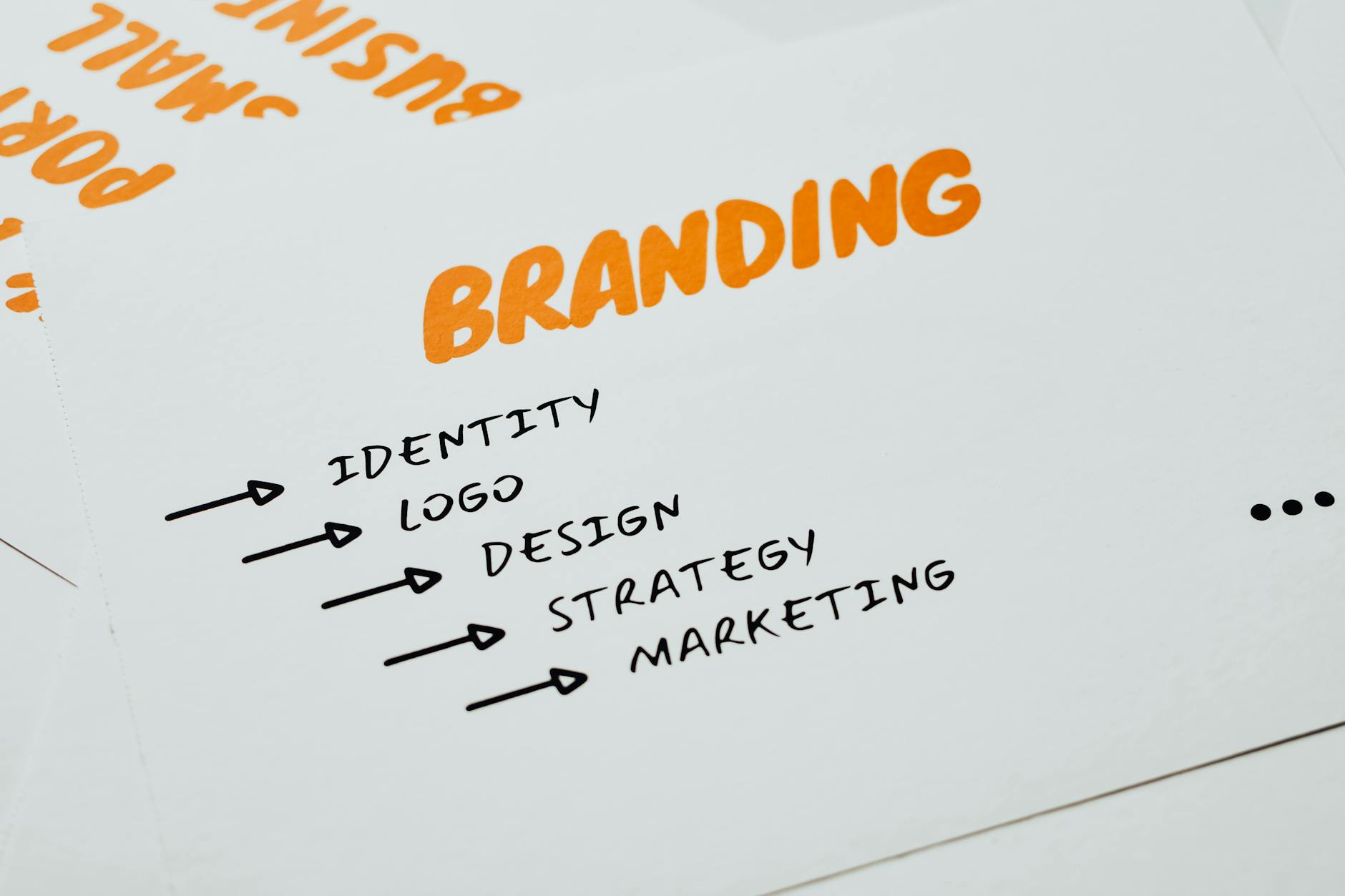 Photo by Eva Bronzini https://www.pexels.com/@eva-bronzini
Research and Inspiration for Your Logo
Start by looking at successful e-discovery companies. What aspects of their logos resonate with you? What aspects do you want to avoid? Analyzing similar businesses provides valuable insights for inspiration, without copying their logos. Understanding your target audience is paramount. What are their needs and expectations? Are they looking for cutting-edge technology, established expertise, or a blend of both? A logo designed to attract your ideal client is key.
Logo Concepts and Design Principles
Developing initial logo concepts is an exciting process. Start by focusing on fundamental design principles, such as balance, contrast, hierarchy, and unity. These create a visually appealing logo with an impactful presence. How can these principles translate to a strong, effective business identity? Consider the logo's versatility. Will it work in print and on digital platforms? Your logo will appear on different devices, in various sizes, and in various settings. Color and typography choices heavily influence how your brand is perceived. What colors evoke trust and professionalism? How can typography create a strong first impression? Take your time to brainstorm!
Creating Your Logo with Logo Maker Shop
Logo Maker Shop offers a straightforward platform for generating numerous logo variations, allowing for maximum creativity and efficiency. Using the platform is user-friendly. You can adjust various elements and design preferences to create variations. This saves precious time and effort.
 Photo by Photo by Burst
Selecting the Perfect Logo
Choosing the right logo from several concepts requires careful consideration. Gather feedback from trusted colleagues or friends. This process refines your choices. Getting feedback at various stages enhances the outcome. It's important to iterate and adjust based on constructive criticism. Is your target audience interested in a modern, sleek logo or something more traditional? How can you translate these findings into visual design choices?
Finalizing Your Logo Design
Once you've selected a logo, finalize the design. Ensure print-quality files are ready for use. Choosing the right file formats is essential for various applications. Obtain high-resolution logos for print and web. Ensure all necessary files are available. How can you prepare your logo for consistent use across all platforms?
Conclusion
Creating a logo for an e-discovery business demands a nuanced understanding of your brand and audience. Remember that a well-designed logo strengthens your brand identity and sets you apart in a competitive marketplace. Logo Maker Shop provides the tools and platform to efficiently create a professional logo that resonates with your target audience and successfully represents your business in the e-discovery industry.

Michael Harper is a Senior Content Strategist at MarketInsider.co, a premier source for insights on digital marketing and business trends. With over 15 years of expertise in content development and strategic communications, Michael is renowned for his ability to craft compelling narratives that resonate with diverse audiences. He holds a Bachelor’s degree in Journalism from New York University and a Master’s degree in Business Administration from Columbia Business School. Outside of work, Michael is passionate about historical literature and enjoys hiking the trails of the Pacific Northwest.