How to Create a Logo for Your Dust Filter Manufacturing Industry
A strong logo is crucial for any business, especially a dust filter manufacturing company. It's more than just a pretty picture; it's the visual representation of your brand. This guide provides a step-by-step approach to creating a logo that will resonate with your target audience and effectively communicate your business values.
Understanding Your Brand Identity
Before diving into design, consider your brand's core identity. What values do you stand for? What's your company mission? Who are you trying to reach? Answering these questions will guide you toward a logo that truly represents your dust filter manufacturing company. This means understanding the specifics of your products and your ideal customer.
Logo Design Principles for Dust Filter Manufacturers
A great logo is memorable and versatile. It works across various platforms, from business cards to social media. Keep it simple. Avoid overly complex designs; they're harder to remember and reproduce. Select colors that communicate your brand personality. Consider using colors that symbolize dependability and trust in your logo design. The logo should look good in both color and black and white. This is an essential design element, as it is often how your logo appears on printed materials. Also, make sure your logo is appropriate for different sizes.
Researching Existing Logos
Studying successful dust filter manufacturer logos can offer valuable insights. Analyze what works well and what doesn't. Look at color palettes, fonts, and imagery. Don't copy designs, but instead use these as inspiration for generating your own unique and original concepts. This will help spark new ideas, while giving you a better understanding of the existing market trends.
Choosing the Right Logo Maker Shop Tool
Creating a logo doesn't need to be complicated. The Logo Maker Shop is a great option for creating a professional-looking logo. Utilizing the Logo Maker Shop allows you to focus on creating a logo that aligns with your brand's essence and values, while providing tools to help bring the best concepts to life. The Logo Maker Shop's user-friendly interface allows for a more personal approach to creating your logo.
Developing Logo Concepts
Start by brainstorming! Consider various colors, fonts, and imagery that represent your dust filter manufacturing business. Use the tools available in the Logo Maker Shop to create a variety of logo concepts. Explore different approaches to see what works best for your specific brand.
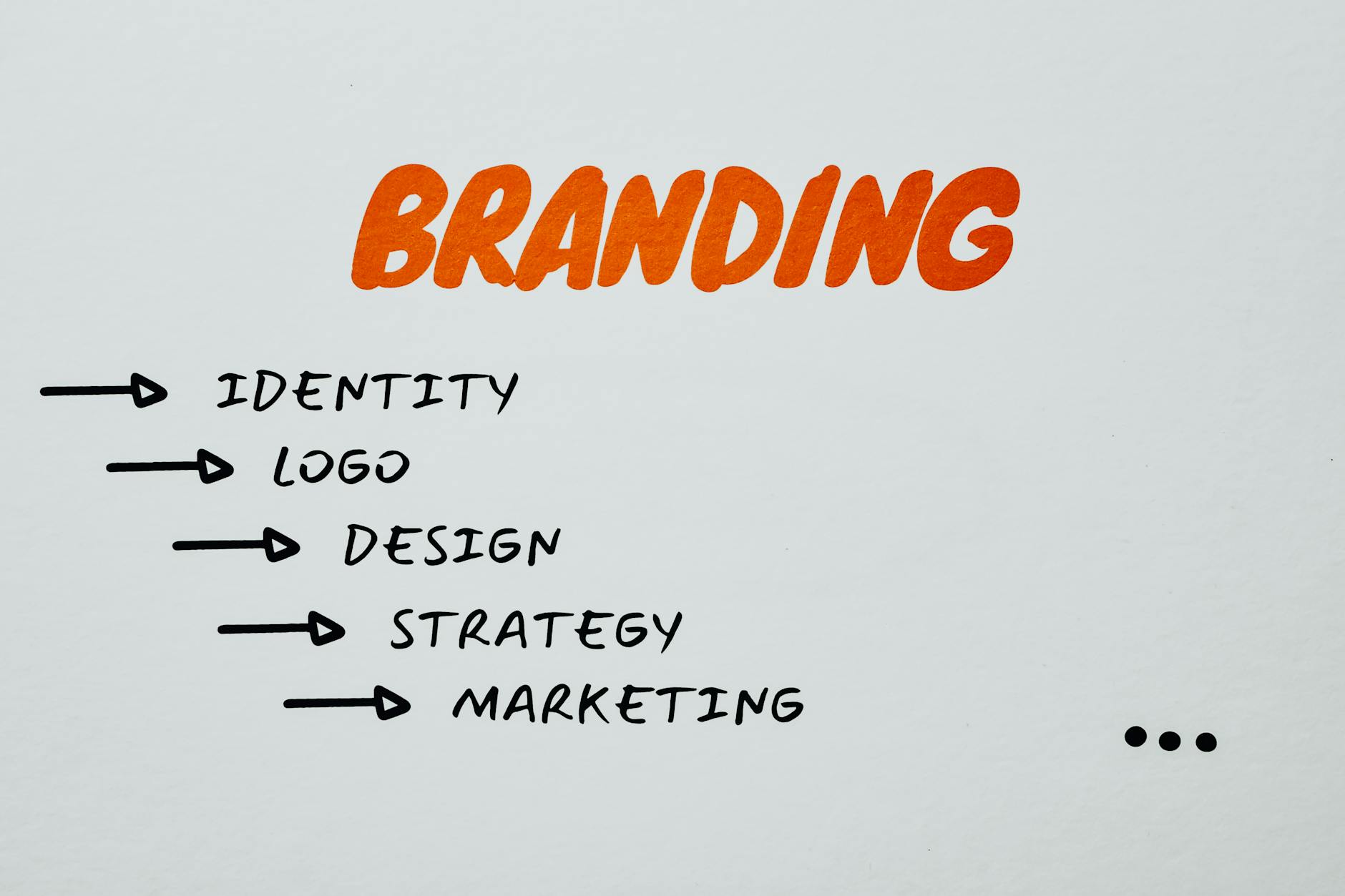 Photo by Eva Bronzini (https://www.pexels.com/@eva-bronzini)
Iterating on Logo Concepts
Take time to refine your logo concepts. Gather feedback from trusted sources. What feels right? What resonates with your brand? Adjust colors, fonts, and imagery to create a logo that best reflects your business.
Selecting the Final Logo
Choose the logo that best represents your business and accurately communicates your brand's personality and values. This is a crucial step in establishing a consistent brand image across all marketing materials.
Using Your Logo
Use your chosen logo consistently across all materials. This includes business cards, websites, and social media profiles. This creates a cohesive brand identity that strengthens your brand's recognition. Using your logo consistently helps create a stronger visual presence for your company and enhances customer trust.
Conclusion
A well-designed logo is an investment in your dust filter manufacturing business. It's an essential component of brand identity and can significantly influence customers' perceptions of your company. Creating a custom logo doesn't need to be complicated or expensive, especially if you use the Logo Maker Shop's tools. Start designing your logo today!

Michael Harper is a Senior Content Strategist at MarketInsider.co, a premier source for insights on digital marketing and business trends. With over 15 years of expertise in content development and strategic communications, Michael is renowned for his ability to craft compelling narratives that resonate with diverse audiences. He holds a Bachelor’s degree in Journalism from New York University and a Master’s degree in Business Administration from Columbia Business School. Outside of work, Michael is passionate about historical literature and enjoys hiking the trails of the Pacific Northwest.