How to Create a Logo for My Own Donation Processing Industry
In the world of charitable giving, a strong logo is more than just an aesthetic choice; it’s a crucial element of your brand identity. A well-designed logo can significantly enhance your credibility and foster emotional connections with your donors. Your logo acts as the first impression of your organization, making it essential that you invest time and effort into creating a design that reflects your values and mission.
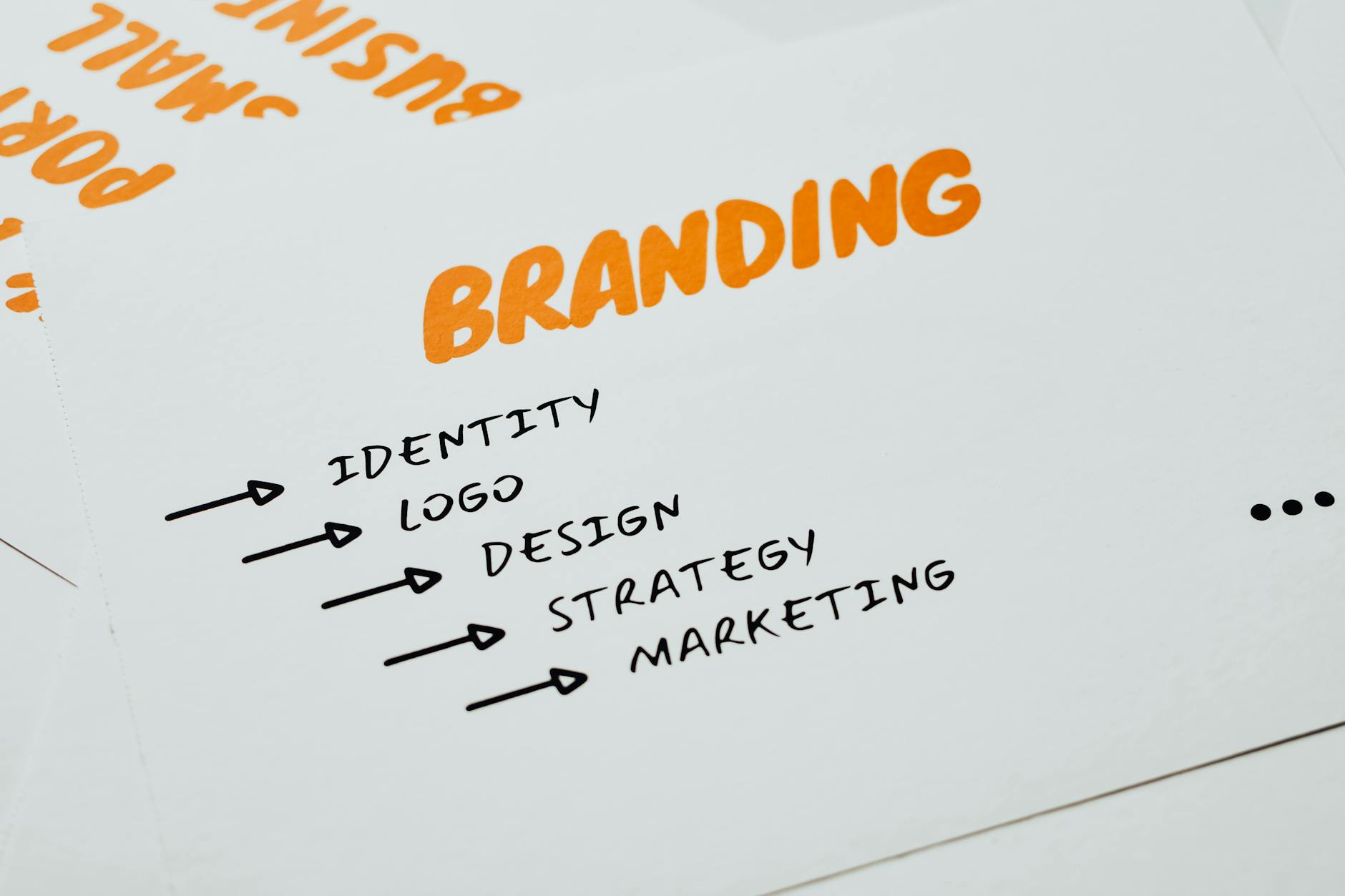
Photo by Eva Bronzini
Understanding the Donation Processing Industry
The donation processing industry plays a pivotal role in facilitating charitable activities. It provides essential services that help organizations manage donations efficiently, ensuring that funds reach those who need them most. Branding isn’t just a buzzword; it’s a powerful tool that can impact donor trust and engagement. A strong brand differentiates your organization, making donors feel secure about where their contributions are going.
What Makes a Logo Effective in the Nonprofit Sector
When designing a logo for the donation processing industry, several key elements come into play:
-
Simplicity: An effective logo should be straightforward and easy to recognize. Think of logos like the iconic red cross or the simplicity of the World Wildlife Fund’s panda. They are memorable and communicate their purpose at a glance.
-
Memorability: Your logo should leave a lasting impression. A memorable logo can help your organization stand out in a crowded field of charities competing for attention and donations.
-
Relevance: The design should align with your mission and values. Elements like colors, shapes, and symbols can communicate what your organization stands for, enhancing your overall message.
The Logo Design Process
Creating a logo isn’t a random act of creativity. It requires a systematic approach. Here’s a step-by-step guide specific to the donation processing industry:
Define Your Brand Identity
Start by reflecting on your organization’s mission statement and core values. What do you aim to achieve? How do you want people to perceive your organization? These answers should inform your design choices to create a logo that visually represents your identity.
Research Logo Examples and Trends
Explore existing logos within the donation processing sector to draw inspiration. What works well? What doesn’t? By understanding current design trends, you’ll gain insights into what resonates with donors while avoiding imitation.
Sketching Initial Ideas
Before jumping into digital design, take some time to brainstorm and sketch out your ideas. This free-thinking phase allows you to explore diverse concepts and refine your vision. Don’t be afraid to let your creativity flow—this step is all about discovery.
Using Logo Maker Shop for Designing Your Logo
Take advantage of the Logo Maker Shop. This user-friendly tool allows you to create a professional logo without extensive design skills. With customizable templates and easy-to-use features, you can turn your sketches into reality and incorporate feedback easily.
Refining Your Design
Once you have a draft, it's time to refine your design. Solicit feedback from stakeholders, potential donors, or even team members. Gathering outside opinions can provide new insights and ensure that your logo resonates with your target audience.
Choosing the Right Color Scheme and Fonts
Colors and fonts are critical components of your logo that convey emotions and messages. Carefully consider how they align with your brand identity.
Color Psychology in Logo Design
Different colors evoke different feelings. For example, blue communicates trust and professionalism—ideal for a donation processing organization. Green represents growth and harmony, while red can signify urgency or passion. Selecting the right palette is essential to reflect your mission effectively.
Selecting Fonts that Reflect Your Brand's Personality
The fonts you choose also affect perceptions of your brand. A formal, serif font may convey trustworthiness and tradition, while a clean, sans serif font could communicate a modern and approachable feel. Pick fonts that align with your organization’s personality.
Testing Your Logo
Before finalizing your logo, it’s vital to test how it resonates with your audience.
Conducting A/B Testing
Consider conducting A/B testing by presenting different logo variants to your target audience. This approach helps gauge which designs connect best with potential donors, allowing you to make data-driven decisions.
Gathering Feedback from Stakeholders
Engaging with stakeholders can provide valuable insights. They may have opinions on your design that you haven’t considered, ensuring the logo represents your mission effectively.
Finalizing and Launching Your Logo
Once you’ve honed in on your design, it’s time to finalize it and make a splash.
Creating Brand Guidelines
Develop brand guidelines for consistent logo usage across various platforms. These guidelines should cover color palettes, typography, and logo placements to maintain a cohesive look.
Announcing Your New Logo to Your Audience
When you’re ready to unveil your new logo, do it with flair! Use various channels—social media, newsletters, and your website—to announce the change. Share your design journey and explain how your new logo reflects your mission, creating excitement and engagement among your audience.
Conclusion
Creating a logo for your donation processing industry is an essential step toward building trust and recognition among donors. By following the steps outlined in this guide, you can craft a logo that encapsulates your organization’s mission and resonates emotionally with your audience. So why wait? Start designing your impactful logo today with the help of the Logo Maker Shop, and take a significant step toward establishing your brand identity.

Michael Harper is a Senior Content Strategist at MarketInsider.co, a premier source for insights on digital marketing and business trends. With over 15 years of expertise in content development and strategic communications, Michael is renowned for his ability to craft compelling narratives that resonate with diverse audiences. He holds a Bachelor’s degree in Journalism from New York University and a Master’s degree in Business Administration from Columbia Business School. Outside of work, Michael is passionate about historical literature and enjoys hiking the trails of the Pacific Northwest.