How to Create a Logo for My Own Disposable Goods Industry
Creating a logo for your disposable goods business is more than just a design task; it’s a critical step in establishing your brand identity. An effective logo not only represents your company visually but also communicates your values and mission to potential customers. It sets the tone for your market presence and can be a pivotal factor in attracting and retaining clients.
Understanding Your Brand Identity
Before diving into logo design, it's essential to clearly define your brand identity. This will serve as the foundation of your logo creation process.
Identifying Core Values
Start by asking yourself: What does your disposable goods business stand for? Define your mission, vision, and values clearly. Your logo should reflect these core beliefs. For instance, if your disposable goods promote environmental sustainability, your logo might integrate elements that symbolize nature or eco-friendliness. Think about what you'd want consumers to feel or think about when they see your logo.
Target Audience Analysis
Who are your customers? Understanding your target audience is essential in shaping a logo that resonates with them. Research their preferences, needs, and values. Are they eco-conscious consumers, busy professionals, or part of the hospitality industry? Your logo should appeal to their tastes and reflect the convenience and quality your products offer.
Researching Competitors
To create a logo that stands out, you must first understand what others have done. Analyzing competitor branding can provide insights into effective visual strategies.
Analyzing Competitor Logos
Take a look at the logos of other companies in your niche. What colors and fonts do they use? What styles resonate well with customers? Are there elements that create a strong impression? By studying these logos, you can identify trends and avoid similarities, ensuring your logo is distinctive.
Differentiating Your Brand
Once you have gathered insights, consider ways to differentiate your logo. Use unique color combinations, graphic elements, or typography that sets you apart from competitors. Your logo should not only be visually pleasing but also express your uniqueness as a provider in the disposable goods market.
Finding Inspiration for Your Logo
Gathering inspiration is a vital part of the logo creation process.
Exploring Logo Ideas
Start your journey by exploring logo ideas available online. Websites like Logo Ideas – Boon offer a plethora of inspiration tailored to various industries. Take notes on what appeals to you regarding color schemes, styles, and shapes.
Creating a Mood Board
Creating a mood board can help you visualize how different ideas mesh. Collect images, colors, and designs that resonate with your brand mission. This collection will give you a strong visual guide as you move forward in your logo design.
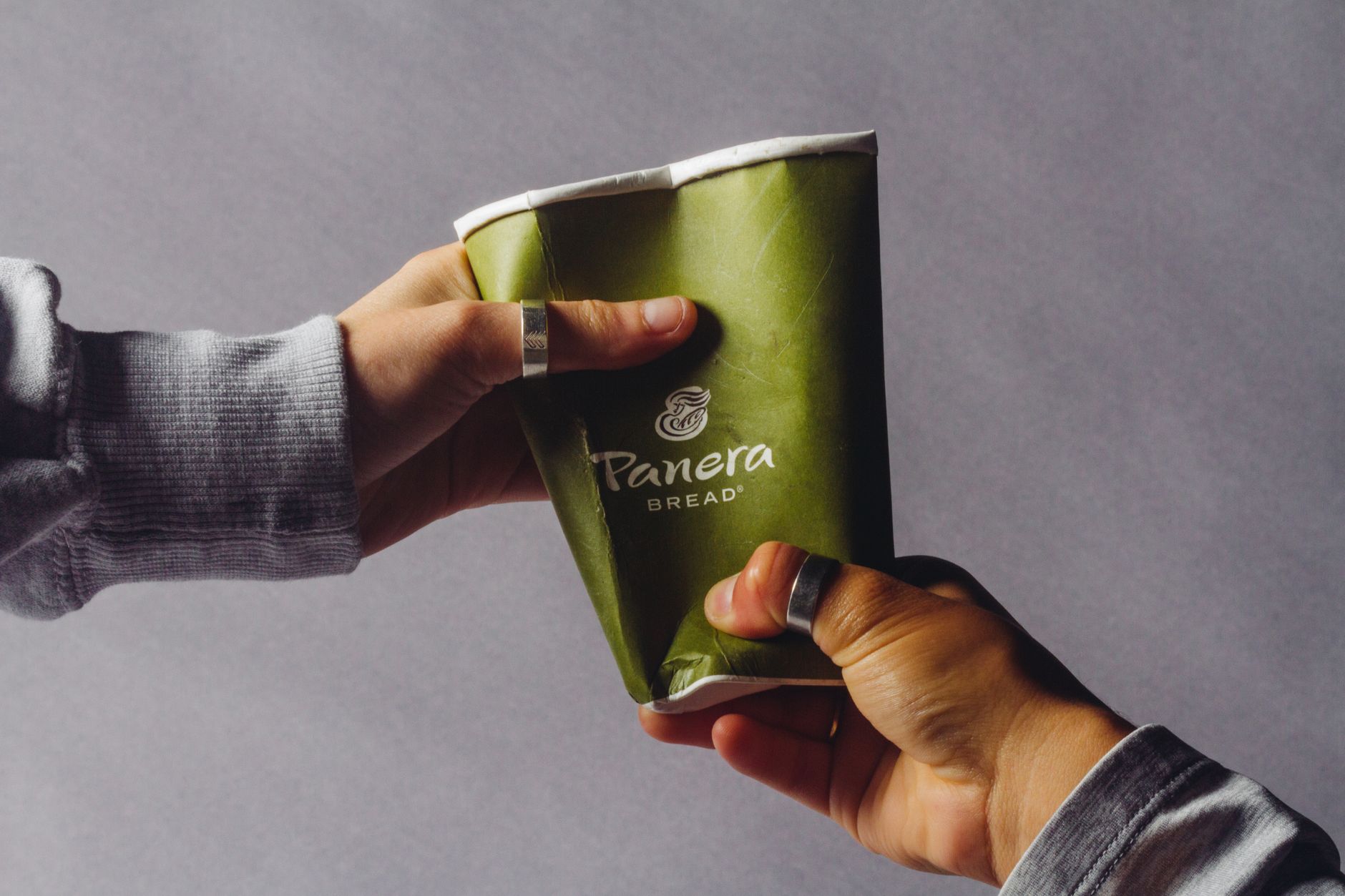 Photo by Isaac Taylor
Utilizing Logo Maker Shop for Design
Once you have a clear understanding of your brand and gathered inspiration, it’s time to bring your logo to life using Logo Maker Shop.
Step-by-Step Logo Creation
The next step is to utilize How to Create Logos with Logo Maker Shop – Boon. Here's a simplified guide for you:
- Log In: Create an account or log in to the Logo Maker Shop.
- Choose a Template: Browse through templates that fit your style.
- Customize Elements: Alter colors, fonts, and icons to align with your brand.
- Finalize Your Design: Ensure all elements feel cohesive and reflective of your brand identity.
Customizing Your Logo
Customization is key in logo design. Logo Maker Shop allows you to adjust various aspects of your logo, so take advantage of the tools available to make your design truly your own. Play around with layouts, icons, and fonts until you find the perfect match for your brand.
Selecting Colors and Typography
Your choice of colors and fonts will impact how customers perceive your brand.
Color Psychology in Branding
Colors evoke emotions and can influence perceptions. For example, green might symbolize sustainability, whereas blue often represents trust and dependability. Consider what feelings you want to convey through your color choices.
Choosing the Right Font
Typography plays a crucial role in readability and brand image. Make sure your font aligns with your brand's character. A playful font might suit a fun, casual brand, while a sleek font could represent professionalism and quality.
Finalizing Your Logo Design
Now that you have a solid design, it’s time for refinement.
Gathering Feedback
Sharing your design with peers or potential customers can provide valuable insights. Ask for feedback on both aesthetics and how well the logo communicates your brand values.
Making Necessary Adjustments
Incorporate any useful feedback into your design. Sometimes minor tweaks can make all the difference in how your logo is perceived.
Launching Your Logo
You’ve created a logo that embodies your disposable goods business. Now, it’s time to make a splash!
Update Marketing Materials
Ensure all your marketing materials reflect the new logo. This includes your website, social media profiles, business cards, and packaging. Consistency builds brand recognition.
Promoting Your New Logo
Generate excitement around your new logo. Use social media, email newsletters, or even a launch event to engage your audience. Share the story of your logo: what inspired it and what it represents for your brand.
Conclusion
Creating a logo for your disposable goods industry is a rewarding journey that can bolster your brand identity and market presence. From defining your brand to launching your logo, each step is crucial in establishing a visual representation of your business. With creativity, research, and the right tools like Logo Maker Shop, you’re well on your way to designing a logo that stands out and resonates with your audience. So, take that first step—your new logo is waiting!

Michael Harper is a Senior Content Strategist at MarketInsider.co, a premier source for insights on digital marketing and business trends. With over 15 years of expertise in content development and strategic communications, Michael is renowned for his ability to craft compelling narratives that resonate with diverse audiences. He holds a Bachelor’s degree in Journalism from New York University and a Master’s degree in Business Administration from Columbia Business School. Outside of work, Michael is passionate about historical literature and enjoys hiking the trails of the Pacific Northwest.