How to Create a Logo for My Own Disability Insurance Industry
Creating a logo is one of the most important steps you'll take in establishing your disability insurance business. A well-designed logo serves as the cornerstone of your brand identity, communicating your values and professionalism to potential clients. It sets the tone for how your organization is perceived in the market and can significantly influence customer trust and loyalty.
Understanding the Disability Insurance Market
When designing a logo for the disability insurance industry, it's critical to understand its unique characteristics and needs. The industry revolves around offering protection and peace of mind to individuals facing unexpected life changes—a fact that should resonate through your logo design.
Target Audience
Your primary target audience includes individuals and families who are planning for their future and want to secure their financial well-being in the event of a disability. These clients may range from young professionals to retirees. Demographically, they tend to value security and stability, and psychographically, they may appreciate brands that display empathy and understand their concerns.
Competitor Analysis
Examine how competitors in the disability insurance sector are branding themselves. What kind of logos are they using? Are they modern and minimalist, or do they employ more traditional themes? Look for patterns in their design choices, and identify gaps you could fill with a fresh approach. A logo that stands out can help you distinguish your brand in a crowded marketplace.
Steps to Create a Logo for My Own Disability Insurance Industry
Creating your logo can feel overwhelming, but by following these structured steps, you can simplify the process and create something that represents your company well.
Define Your Brand Identity
To communicate trust, reliability, and care through your logo, begin by defining your brand's core values. What do you want clients to feel when they see your logo? Use keywords associated with your mission—words like safety, support, and peace of mind—to guide your design.
Seek Inspiration Within the Insurance Sector
Look at successful logos in the insurance industry as well as related sectors like healthcare and finance. Take note of elements that resonate with you. These may include professional color palettes, fonts, and logos that convey reliability. This process can spark ideas tailored to the specific needs of disability insurance.
Choose the Right Logo Style
Now that you've gathered inspiration, it’s time to select a logo style. Some styles to consider include:
- Minimalist: Clean lines and simple designs that project professionalism.
- Symbolic: Icons that convey protection, like shields or hands.
- Friendly: Designs with rounded edges to create an approachable feel.
Your choice here significantly impacts how clients will perceive your brand.
Select Color Scheme and Typography
Colors evoke particular feelings. For the disability insurance field, trust and professionalism are paramount. Consider using shades of blue, which symbolize reliability, or green, known for its association with health and growth. When it comes to typography, choose fonts that are clear and easy to read, reflecting the clarity and transparency you intend to offer.
Use Logo Maker Shop for Your Design
One of the user-friendly tools available for you is the Logo Maker Shop. It offers various customizable templates, allowing you to create a professional logo tailored to your specific needs. Here, you can experiment with colors, styles, and fonts seamlessly.
Logo Design Best Practices
Beyond your specific needs, several general principles can guide your logo design process, especially in the disability insurance sector.
Simplicity and Recognition
A simple logo is memorable. Think about logos like the Nike swoosh or the Apple symbol; they are not overly complex yet instantly recognizable. Aim for a design that clients can easily recall, ensuring it sticks in their minds.
Versatility in Use
Your logo should work across various platforms, including business cards, websites, and social media. Make sure it looks just as good in color as it does in black and white or in small sizes.
Relevance to Your Services
It’s essential that your logo resonates with the services you offer. For instance, using symbols of security or support can help establish an emotional connection with your audience, underscoring the protection they seek.
Finalizing Your Logo Design
Before settling on your logo, take some time to refine your design and make necessary adjustments.
Gather Feedback from Target Audience
Once you have a prototype, reach out to potential clients or colleagues for feedback. Their insights can provide valuable perspective, and you may discover areas where your logo can be improved.
Test Variations and Formats
Ensure that your logo is adaptable by testing its appearance in various formats and sizes. Evaluate how it looks on a business card compared to a social media page. This will help you create a logo that is consistently effective across all mediums.
Implementing Your Logo in Your Branding Strategy
Once you finalize your logo, place it prominently on all your marketing materials—your website, business cards, brochures, and even online ads. Consistent usage will strengthen your brand identity and help foster recognition in the disability insurance market.
Conclusion
A well-designed logo is more than just a graphic; it's the face of your brand and plays an essential role in attracting clients. Take these steps seriously as you embark on the process of creating a logo for your disability insurance business. With careful thought and the right tools, you can craft a logo that not only looks great but also resonates with your audience. The journey to a remarkable logo begins now—take the first step today!
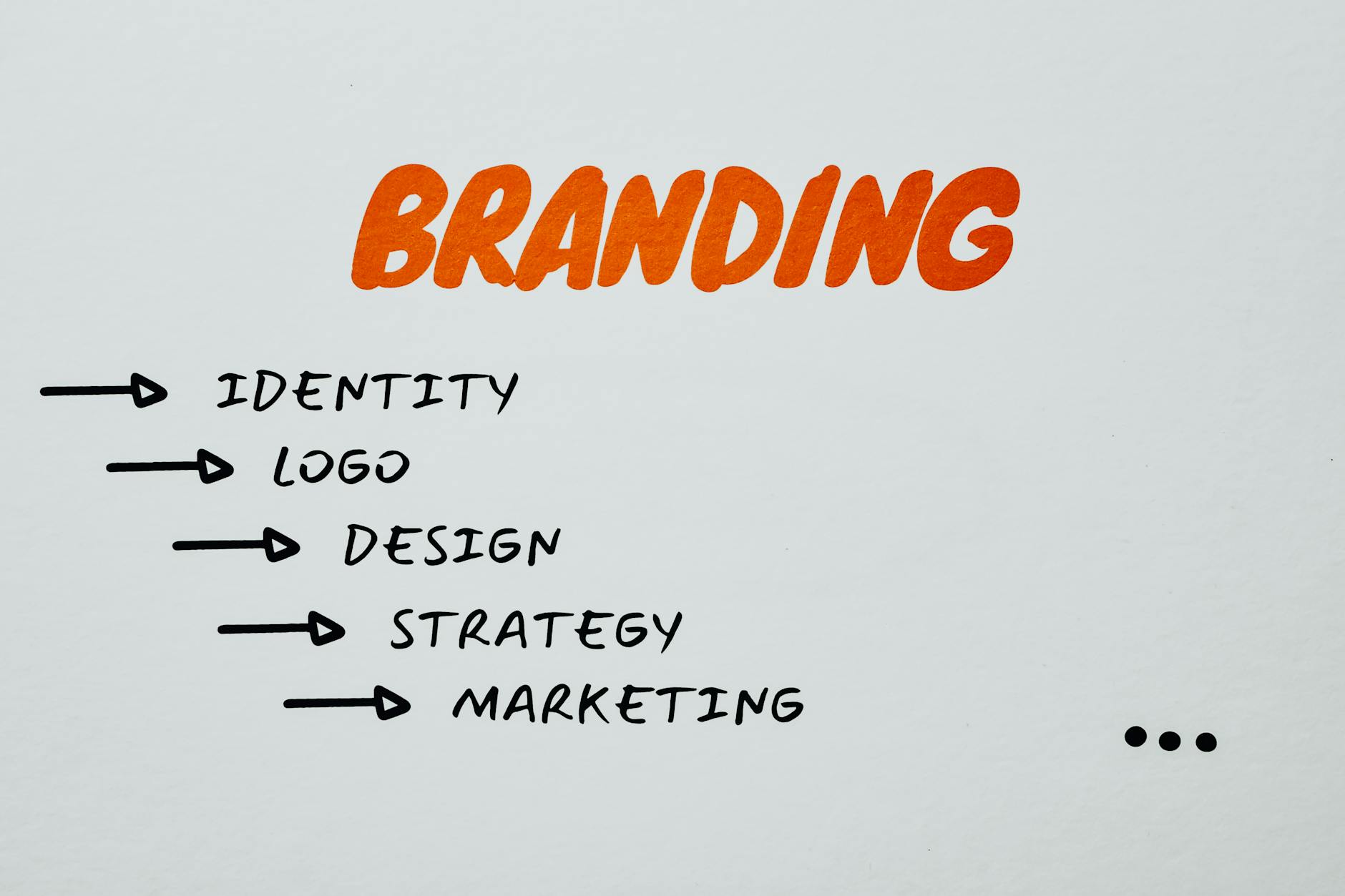
Photo by Eva Bronzini

Michael Harper is a Senior Content Strategist at MarketInsider.co, a premier source for insights on digital marketing and business trends. With over 15 years of expertise in content development and strategic communications, Michael is renowned for his ability to craft compelling narratives that resonate with diverse audiences. He holds a Bachelor’s degree in Journalism from New York University and a Master’s degree in Business Administration from Columbia Business School. Outside of work, Michael is passionate about historical literature and enjoys hiking the trails of the Pacific Northwest.