How to Create a Logo for My Own Direct-To-Consumer Industry
Branding is more than just a logo; it’s the heart of your Direct-To-Consumer (DTC) business. As you venture into the world of DTC, creating a memorable logo is crucial. It’s your chance to make a first impression and stand out in a crowded marketplace. To simplify this journey, the Logo Maker Shop offers a user-friendly platform that can help you design a logo that reflects your brand’s identity.
Understanding the Importance of a Logo in Direct-To-Consumer Branding
Think of a logo as the face of your brand. It’s often the first touchpoint for potential customers, encapsulating their experience before they even engage with your product or service. A well-designed logo simplifies your brand’s message while leaving a lasting impact. It serves as a visual summary of what your business represents, from your values to your mission.
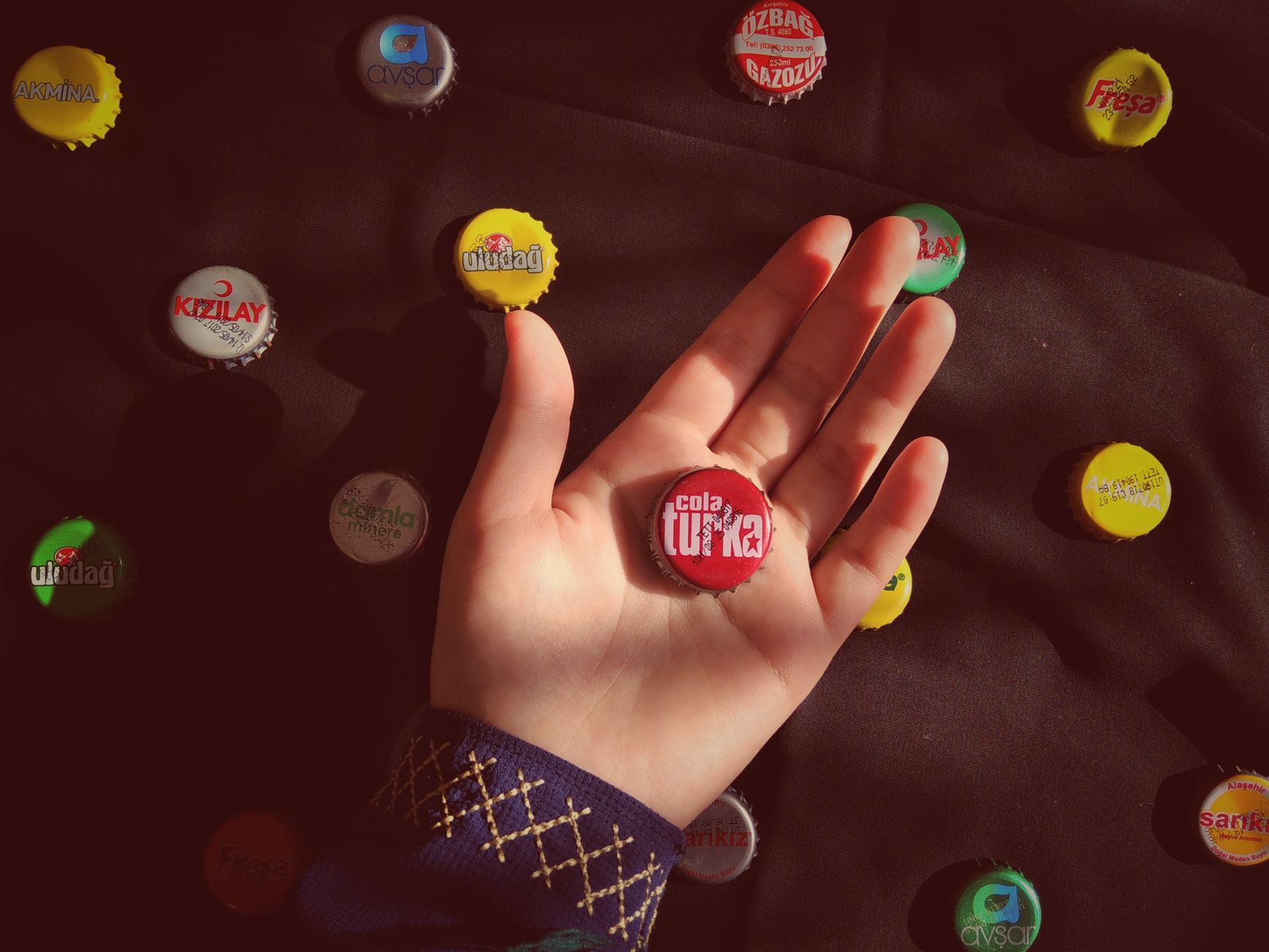
Photo by ~Okurkâşif
The more tailored and thoughtful your logo, the more likely it is to resonate with your audience. In the DTC industry, where trust and connection play significant roles, your logo should draw customers in at first glance.
Defining Your Brand Identity
To create a logo that resonates, begin with a clear understanding of your brand identity. What do you want your audience to feel when they see your logo? Your brand identity encompasses the visual, verbal, and emotional elements that shape your brand’s perception.
Identifying Your Target Audience
Knowing your audience is essential. Ask yourself: Who are my ideal customers? What motivates them to buy? Understanding these factors enables you to craft a logo that appeals directly to their tastes and preferences. For instance, if your target market consists of eco-conscious millennials, your logo can incorporate earthy tones and organic shapes to visually communicate your commitment to sustainability.
Outlining Brand Values and Personality
What does your brand stand for? Values such as innovation, reliability, or social responsibility should be reflected in your logo. Think about how you can visually express these concepts. Your logo should feel like an extension of your brand personality—whether that’s sophisticated, playful, or bold.
Finding Inspiration for Your Logo Design
Exploring sources of inspiration can help ignite your creativity. Consider both external and internal sources.
Researching Competitors and Trends
Get a sense of what works by looking at competitor logos and current design trends. Take note of what you like and dislike—this will help refine your vision. However, make sure that your logo is distinct so it stands out from the competition.
Brainstorming Techniques
Consider using mood boards or word lists to cultivate fresh ideas. Create a collage of colors, images, and typography that aligns with your brand's ethos. This visual representation can be an excellent resource when you start designing your logo. Ask yourself, what emotions or ideas do I want to evoke in my audience?
Choosing the Right Logo Style
Your logo can take many forms, and choosing the right style is critical. Different styles communicate different messages.
Understanding Different Logo Types
Logos can be classified into categories such as wordmarks, letterforms, icons, and abstract logos. A wordmark consists of the brand name in a unique font, while an icon could be a symbolic representation of your business. Consider which type aligns best with your brand identity.
For example, a lifestyle brand might thrive with a playful icon, while a tech company may benefit from a sleek, modern wordmark.
Aligning Logo Style with Brand Personality
Ensure that your logo’s style aligns with your brand’s personality. If you aim to convey luxury, opt for elegant typography and sophisticated colors. If your brand is more casual and approachable, a fun font and bright hues might be ideal.
Creating Your Logo with the Logo Maker Shop
Once you have a vision, the next step is to design your logo using the Logo Maker Shop.
Utilizing the Logo Maker Features
The Logo Maker Shop offers a straightforward, user-friendly platform that allows you to experiment with various designs. You can utilize customizable templates, drag-and-drop features, and an extensive color palette to bring your vision to life. This empowers you to create a logo without needing extensive design experience.
Previewing and Refining Your Design
Frequent adjustments are vital during the design process. Preview your logo across different mockups—business cards, websites, and social media profiles—to see how it translates across various platforms. Seek feedback from colleagues or friends to get a well-rounded perspective on your design.
Implementing Your Logo
Now that your logo is ready, it’s time to show it off. A logo is most effective when it’s consistently applied across all marketing materials.
Using Your Logo on Marketing Collateral
Display your logo prominently on your website, product packaging, and social media channels. The more exposure it gets, the more familiar it will become to your audience. This consistency will help enhance brand recognition over time.
Maintaining Consistency in Brand Presentation
Ensure that your brand visuals are uniform across all touchpoints. This consistency strengthens your brand image and builds trust with your customers. A well-recognized logo is a powerful tool in reinforcing customer loyalty.
Final Thoughts on Creating Your Logo
In the ever-competitive world of Direct-To-Consumer industries, a strong logo can set your brand apart. It is more than just a design—it's an essential element of your branding strategy. By utilizing the Logo Maker Shop, you can craft a logo that embodies your brand's identity and appeals to your target audience. Your logo will not just represent your brand; it will tell your story.
For more insights and tips on logo creation, visit the Logo Maker Shop and take the first step toward branding success!

Michael Harper is a Senior Content Strategist at MarketInsider.co, a premier source for insights on digital marketing and business trends. With over 15 years of expertise in content development and strategic communications, Michael is renowned for his ability to craft compelling narratives that resonate with diverse audiences. He holds a Bachelor’s degree in Journalism from New York University and a Master’s degree in Business Administration from Columbia Business School. Outside of work, Michael is passionate about historical literature and enjoys hiking the trails of the Pacific Northwest.