How to Create a Logo for Your Dining Furniture Industry
Creating an impactful logo is crucial for establishing your business presence in the dining furniture industry. Your logo is more than just a visual identifier; it represents your brand, values, and the quality you offer. In this guide, we'll explore how to create a memorable logo that resonates with your target audience and strengthens your brand identity.
Understanding Your Brand Identity
Before you start sketching out your design, take a moment to define your brand identity. This lays the foundation for your logo, as it should encapsulate who you are as a company and what you stand for.
Identifying Your Target Market
Who will be using your dining furniture? Understanding your target market is key. Are you appealing to luxury homeowners, young families, or perhaps a modern crowd seeking minimalist designs? Your logo should resonate with the specific tastes and values of your audience. For example, a logo for high-end dining furniture may lean towards elegant typography, while a logo aimed at younger consumers might embrace playful colors and shapes.
Establishing Your Brand Values
What values do you want your logo to reflect? Whether it's craftsmanship, sustainability, or modernity, make sure your logo communicates these ideals. Consider using earthy tones or handcrafted elements in your design if you emphasize quality and sustainability. The goal is to ensure that customers see your logo and immediately associate it with your brand's principles.
Inspiration and Concept Development
Inspiration can come from various sources, including your environment and competitors. Gathering ideas will help you develop a clear vision for your logo.
Researching Competitors
Study the logos of competitors in the dining furniture market. What works? What doesn't? This research can help you avoid common pitfalls and guide you to create something genuinely unique. Notice the colors, shapes, and overall styles used. Ensure your design stands out while aligning with industry standards.
Creating Mood Boards
A mood board is an excellent tool for visual brainstorming. Compile colors, textures, images, and styles that reflect your brand and your ideas for the logo. This collection will help clarify your vision and guide your design choices moving forward.
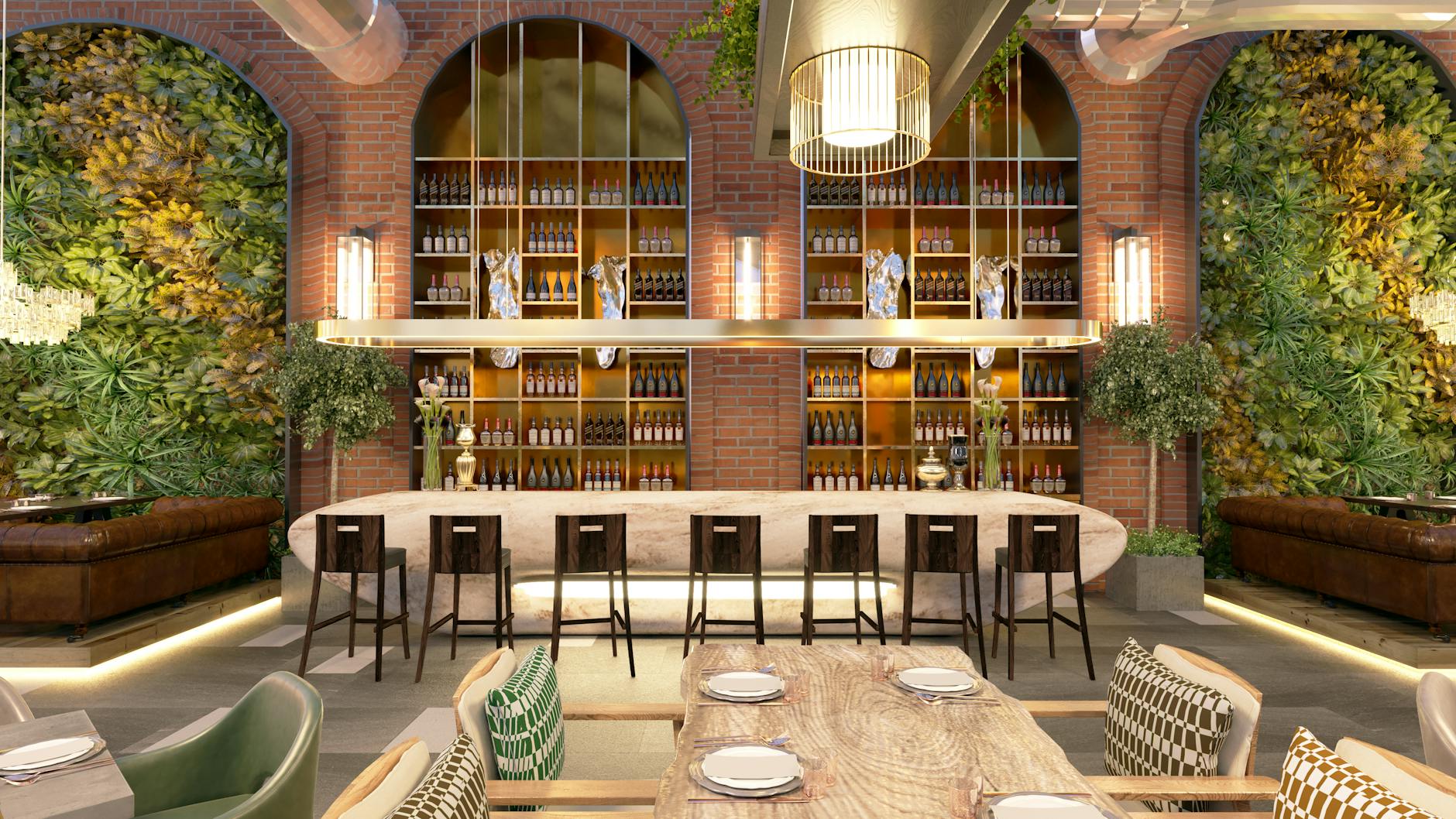 Photo by Quark Studio
Choosing the Right Logo Style
Selecting the right logo style is essential for conveying your brand effectively. Here are some styles to consider:
Types of Logos to Consider
- Wordmark: This logo type focuses on your brand name in a unique font. Great for unsophisticated audiences or recognizable names.
- Symbol or Icon: A graphic representation, like an abstract shape or an object that represents your business, can be compelling and memorable.
- Combination: A mix of both a wordmark and a symbol can give you the best of both worlds, allowing for flexibility in branding.
Modern vs. Traditional Designs
In the dining furniture industry, you might face a choice between modern and traditional aesthetics. If your style leans toward contemporary influences, consider sleek, clean lines with minimal color. On the other hand, if you're rooted in tradition, ornate fonts and rich colors can evoke a sense of classic elegance.
Using Logo Maker Shop for Your Design
Creating a logo can be simple and affordable with the right tools. The Logo Maker Shop is a fantastic platform to kickstart your design process.
Step-by-Step Logo Creation Process
- Visit the Logo Maker Shop: Head over to Logo Maker Shop to get started.
- Select a Template: Browse through templates tailored for dining furniture businesses.
- Customize Your Design: Adjust colors, fonts, and symbols to reflect your brand identity.
- Preview Your Logo: Use the preview feature to see how your logo will look in various settings.
Customizing Your Logo with Color and Fonts
When customizing your logo, aim for colors that evoke the right emotions related to dining. Blues and greens can promote trust and comfort, while warm tones like reds or oranges can inspire hunger and sociability. Choose fonts that reflect your brand’s style—serif fonts often convey tradition, whereas sans-serif can indicate a modern flair.
Refining and Finalizing Your Logo
Once you’ve created your logo, the next step is to refine and finalize it.
Gathering Feedback
Don’t underestimate the power of feedback. Show your logo to friends, family, or potential customers. Their insights can be invaluable in understanding how your logo is perceived.
Making Necessary Adjustments
Be prepared to make adjustments based on the feedback. Whether it’s color tweaks or font changes, refining your logo should feel like a collaborative process. After making changes, gather feedback again to ensure that the improvements resonate with your audience.
Implementing Your Logo Across Platforms
Your logo is an essential part of your branding strategy, so it should be consistently applied across all platforms.
Applying Your Logo to Products and Marketing Materials
Consider how your logo can be showcased on your furniture, business cards, and online presence. For promotional items, ensure the logo looks good on varying materials, from upholstery to print. A well-placed logo can significantly enhance brand recognition.
Consistency in Branding
Consistency is vital in building brand awareness. Apply your logo across social media, your website, and any marketing material. This uniformity reinforces your brand's identity and helps potential customers remember your business more easily.
Conclusion
A well-designed logo serves as the cornerstone of your dining furniture business. By creating a logo that reflects your brand identity, resonates with your audience, and is consistently applied, you can set yourself apart in this competitive industry. Remember, the process may seem challenging at first, but with the right tools and inspiration, you can design a logo that speaks volumes about your brand. So take the plunge, and let your logo shine!

Michael Harper is a Senior Content Strategist at MarketInsider.co, a premier source for insights on digital marketing and business trends. With over 15 years of expertise in content development and strategic communications, Michael is renowned for his ability to craft compelling narratives that resonate with diverse audiences. He holds a Bachelor’s degree in Journalism from New York University and a Master’s degree in Business Administration from Columbia Business School. Outside of work, Michael is passionate about historical literature and enjoys hiking the trails of the Pacific Northwest.