How to Create a Logo for My Own Digital Art Fusion Event
Creating a logo for your Digital Art Fusion Event is more than just a design task; it's a vital step in establishing your event's identity. A well-crafted logo enhances branding, builds recognition, and draws in attendees. Think of it as the first brushstroke on a canvas, setting the tone for the entire experience you're curating.
Understanding the Purpose of Your Logo
To design an effective logo, it's crucial to understand its significance.
Reflecting Your Event's Identity
Your logo should encapsulate the essence of a digital art fusion event. Are you celebrating innovation, creativity, or community? Each of these themes could steer your design decisions. Imagine a logo that conveys a sense of movement and dynamism, reflecting the fusion of styles and technologies. Your logo acts as a visual ambassador, introducing your event's mission and vibe to the world.
Target Audience Considerations
Knowing your audience is key. Who do you want to attract to your event? Are they seasoned artists, tech enthusiasts, or newcomers eager to explore? Understanding their preferences will guide your design choices. A logo aimed at young, tech-savvy individuals might lean towards bold colors and modern typography, while a more diverse audience may benefit from a vibrant blend of styles.
Gathering Inspiration for Your Logo Design
Once you have a solid grasp of your logo's purpose, it's time to seek inspiration.
Exploring Digital Art Trends
Current trends in digital art can open new avenues for your logo design. Check out popular styles like abstract art, surrealism, or minimalism. Incorporating these elements can make your logo relevant and appealing. For instance, merging geometric patterns with organic forms can visually represent the fusion aspect of your event.
Utilizing Logo Maker Shop for Inspiration
Visit Logo Ideas on Logo Maker Shop for a treasure trove of inspiration. Browse through a variety of designs that reflect innovative concepts. Not only can you gather ideas, but you can also see how color choices and typography play a role in effective logo design.
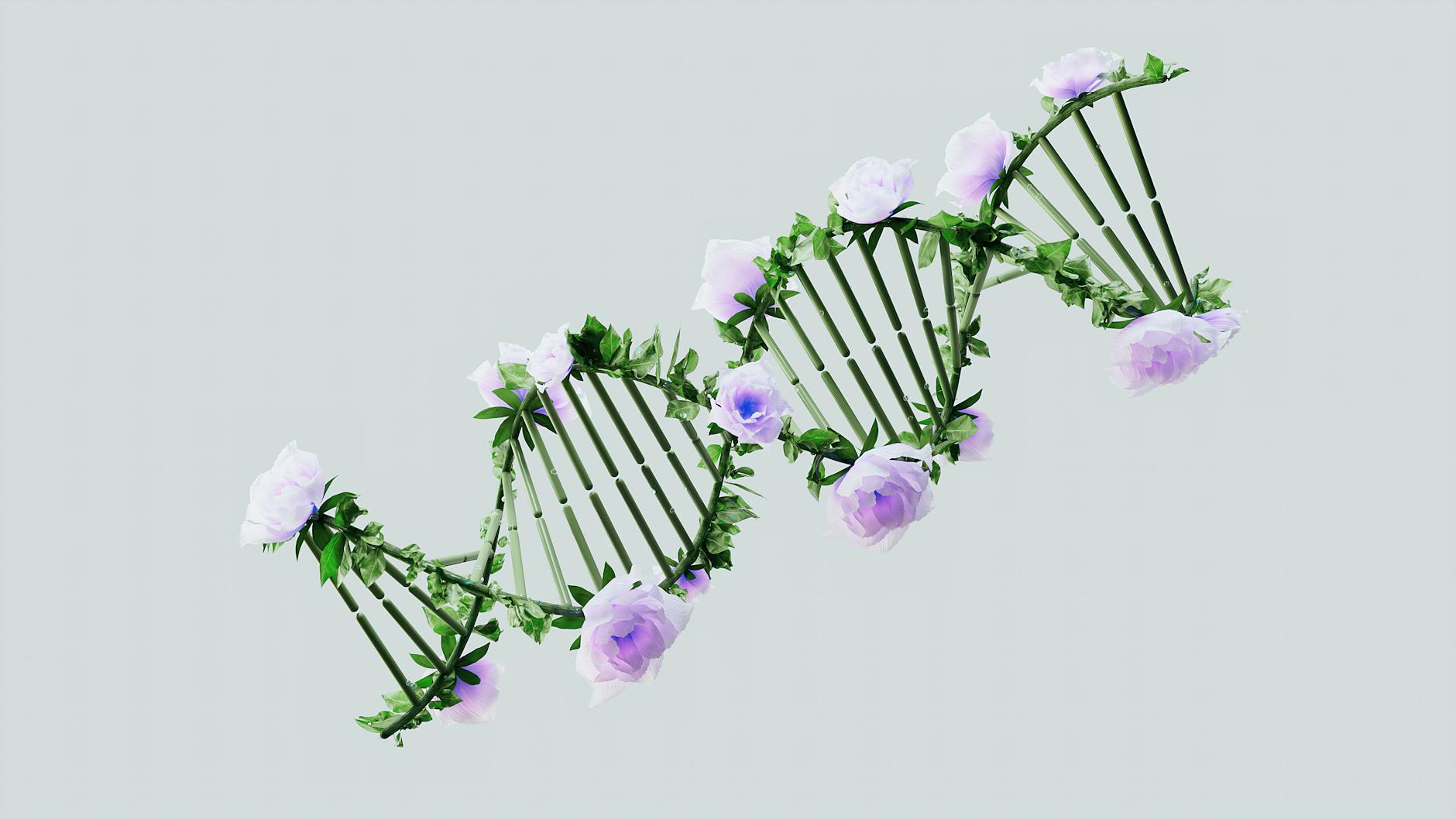 Photo by Google DeepMind
Step-by-Step Guide to Creating Your Logo
With inspiration in hand, let’s break down the logo creation process.
Defining Your Brand Identity
Begin by outlining the key elements that represent your event. Consider what emotions and values you want your logo to convey. Create a mood board filled with colors, images, and words that resonate with your vision. This will serve as your creative compass as you move forward.
Choosing Colors and Fonts
Remember that colors evoke emotions. For a Digital Art Fusion Event, consider vibrant colors that symbolize creativity and innovation, like electric blues or energetic oranges. Pair these colors with clean, modern fonts that convey clarity and professionalism. Font selection matters; it should complement your artistic vision without overshadowing it.
Selecting Logo Type
Decide what type of logo best suits your event. Here are a few possibilities:
- Wordmark: Focuses on the event’s name using stylized text. Ideal if you want the name to stand out.
- Symbol: An icon without text, great for instant recognition. Think of how an abstract shape could represent fusion.
- Combination: Merges both text and symbol, offering versatility and context.
Creating the Logo Using Logo Maker Shop
Utilize the Logo Maker Shop to design your logo. This platform is user-friendly and allows you to play around with different design elements. Start by inputting your brand name and selecting colors and fonts that you’ve chosen in previous steps. The preview tool helps visualize how your logo will look in real-time.
Refining and Finalizing Your Logo
Once you’ve crafted a logo that you like, it’s time to refine it.
Gathering Feedback
Before finalizing, seek feedback from peers, potential attendees, or fellow artists. Their perspectives can highlight areas for improvement that you might have missed. It’s like having a fresh pair of eyes to catch subtle details that can elevate your design.
Final Touches and Applications
Apply your finalized logo across various mediums. Whether it's for social media, flyers, or merchandise, consistency is essential. Make sure the logo looks good in both color and black-and-white formats. This versatility ensures that your logo shines, regardless of where it appears.
Promoting Your Event with the New Logo
Your logo is now ready, but it’s only as effective as its visibility.
Creating Brand Consistency
Use your logo consistently across all platforms—including your website, social media profiles, and promotional materials. This cohesive branding helps build familiarity and trust. It’s all about creating a recognizable image for your event.
Utilizing Social Media for Promotion
Leverage social media to showcase your logo. Create engaging posts around the design process, showing sneak peeks or the story behind the logo’s elements. Use hashtags relevant to digital art and events to widen your reach. Remember, an eye-catching logo can make your event stand out in social feeds.
Conclusion
A well-designed logo can significantly impact your Digital Art Fusion Event by enhancing branding and recognition. As you've seen, the process from inspiration to the final design can be a fulfilling journey. By harnessing the power of the Logo Maker Shop, you can create a logo that perfectly captures your event’s essence. Begin your logo journey today, and set the stage for a remarkable event that leaves a lasting impression!

Michael Harper is a Senior Content Strategist at MarketInsider.co, a premier source for insights on digital marketing and business trends. With over 15 years of expertise in content development and strategic communications, Michael is renowned for his ability to craft compelling narratives that resonate with diverse audiences. He holds a Bachelor’s degree in Journalism from New York University and a Master’s degree in Business Administration from Columbia Business School. Outside of work, Michael is passionate about historical literature and enjoys hiking the trails of the Pacific Northwest.