How to Create a Logo for My Own Cultural Diversity Dialogue Event
Creating a logo for your Cultural Diversity Dialogue Event isn't just an artistic endeavor; it's a vital aspect of how your event will be perceived and remembered. A well-designed logo embodies your event's values and mission, making it a recognizable symbol that resonates with attendees and stakeholders alike. This guide will help you understand how to effectively craft a logo that reflects the significance of cultural diversity, ultimately enhancing both visibility and engagement.
Understanding Cultural Diversity in Branding
When it comes to branding, cultural diversity plays a pivotal role. It shapes how your event is perceived and connects with various communities.
Importance of Cultural Sensitivity
Cultural sensitivity in logo design is crucial. Different cultures have unique symbols, colors, and meanings. Respecting these differences can prevent misunderstandings and foster inclusivity. For instance, a color that signifies joy in one culture may have a completely different connotation in another. Hence, it's important to be mindful and respectful of various cultural symbols and colors as you design your logo.
Cross-Cultural Branding Development
Developing a brand that resonates across different cultures involves several thoughtful steps. Recognizing the diversity among your audience can lead to a brand identity that not only attracts attendees but also celebrates their unique backgrounds. Your logo should symbolize unity and diversity, reflecting the core essence of your event.
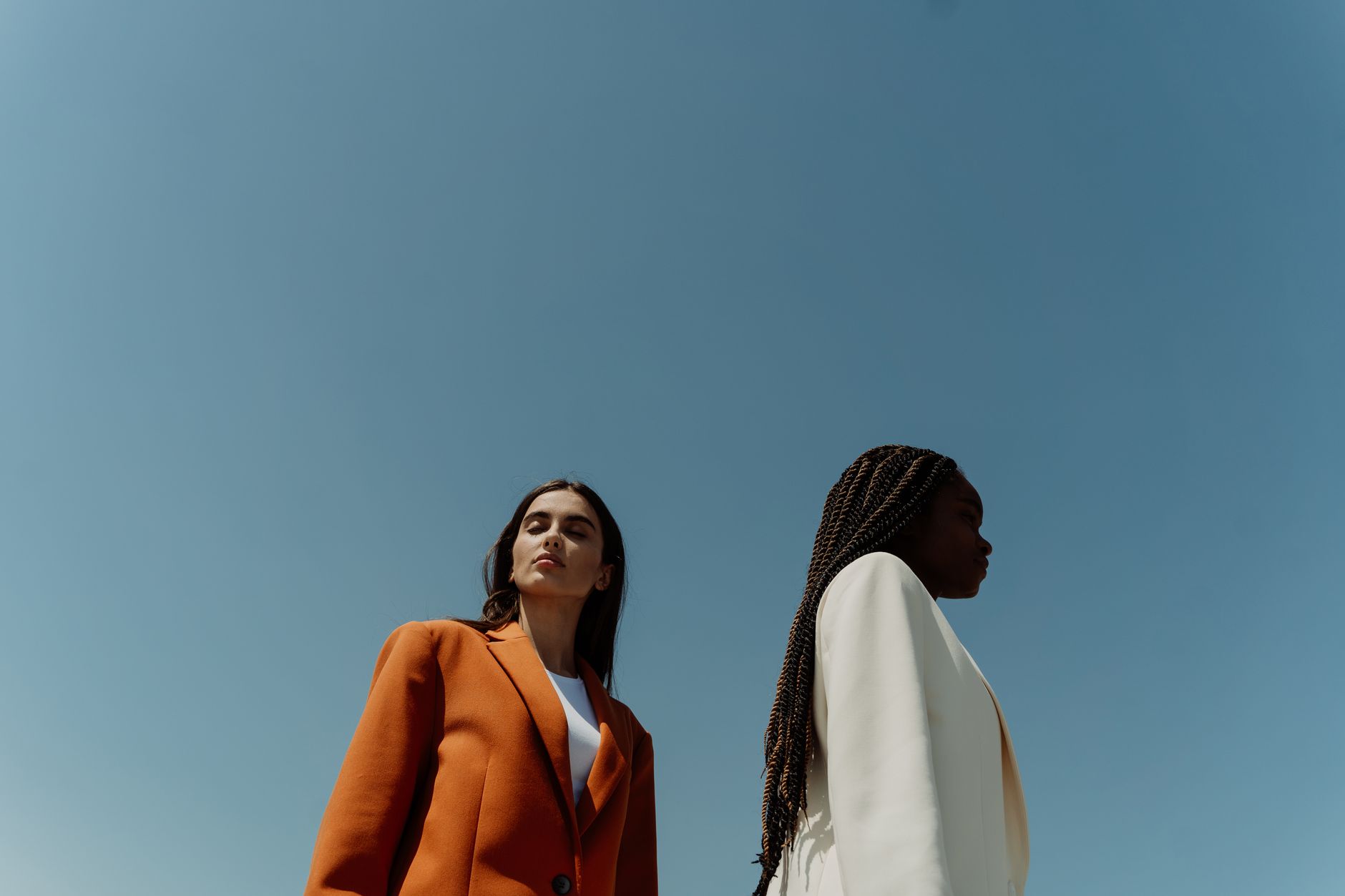 Photo by cottonbro studio
Steps to Create a Logo for Your Event
Creating a logo might seem daunting, but breaking it down into manageable steps can simplify the process. Here’s how to do it:
Define Your Event's Identity
Start by clarifying the mission and values of your Cultural Diversity Dialogue Event. Think about questions like: What do you want to achieve? Who is your target audience? A clear understanding of your event's identity will help ensure your logo aligns with its purpose.
Research and Gather Inspiration
Explore existing logos related to cultural diversity to gather inspiration. Take note of what you like and don’t like. You can find effective logos that effectively communicate cultural themes. Draw inspiration from design resources or platforms like Pinterest and Behance.
Decide on the Logo Style
Consider various logo styles that could work for your event. For instance:
- Minimalist Logos: Simple yet powerful designs that convey clarity.
- Symbolic Logos: Include icons or symbols that represent cultural themes.
- Text-Based Logos: Focus more on typeface and typography.
Each style tells a different story, so choose one that best reflects your event's theme.
Choose Colors Wisely
Colors carry significant meaning in different cultures. For example, red might symbolize courage in one community and love in another. Ensure you select colors that resonate positively with your target audience while reflecting the event's mission. Look into the meanings of logo colors for guidance.
Select Appropriate Fonts
The typeface you choose can convey your event's tone. Consider using modern and clean fonts that are easy to read while staying away from overly decorative or inappropriate styles. A balanced font that aligns with your theme will add to the overall impact of your logo.
Use the Logo Maker Shop
Now, the fun part! The Logo Maker Shop is an amazing tool to create your logo. It's user-friendly, allowing you to customize colors, icons, and fonts effortlessly. You can begin with templates and tweak them until you find the perfect fit for your event. This step ensures you don’t need to hire costly graphic designers, enabling a DIY approach to logo creation.
Testing and Feedback
Once you've designed your logo, gathering feedback is essential. Getting diverse opinions can help you refine your design.
Conduct Surveys
Consider conducting surveys among potential attendees regarding your logo design. Ask specific questions about color choices, designs, and overall impressions. Engaging your audience in this way not only provides insights but also strengthens their connection to your event.
Iterate on Feedback
Use the feedback you gather to improve the design. It might involve tweaking colors, altering fonts, or even exploring different styles. This iterative approach helps ensure that the final logo resonates well with your audience.
Finalizing Your Logo Design
After refining your design, it's time to prepare your logo for various mediums.
Create Different Logo Formats
Your logo should be versatile across different platforms, so create multiple file types (JPEG, PNG, SVG). This ensures you're ready for both print and digital uses. Each format serves a different purpose, be it on promotional materials or social media.
Integrate Your Logo into Event Branding
Consistency is key when applying your logo across all branding materials. Use your logo on flyers, social media graphics, and event banners. This will help build brand recognition and communicate a cohesive message about your event.
Conclusion
Creating a logo for your Cultural Diversity Dialogue Event is an exciting journey, reflecting the values of inclusion, respect, and community. By following these steps—from understanding cultural diversity in branding to utilizing the Logo Maker Shop—you can create a logo that not only looks great but truly represents your event's mission. Now is the time to dive into the design process and craft a logo that will resonate with your audience. Happy designing!

Michael Harper is a Senior Content Strategist at MarketInsider.co, a premier source for insights on digital marketing and business trends. With over 15 years of expertise in content development and strategic communications, Michael is renowned for his ability to craft compelling narratives that resonate with diverse audiences. He holds a Bachelor’s degree in Journalism from New York University and a Master’s degree in Business Administration from Columbia Business School. Outside of work, Michael is passionate about historical literature and enjoys hiking the trails of the Pacific Northwest.