How to Create a Logo for My Own Culinary Delight Food Event
Designing a logo for your Culinary Delight Food Event is crucial since it's the first visual representation of your brand. It introduces your culinary delights to the world and helps create a lasting impression. A well-crafted logo not only reflects your event's theme and vibe but also plays a significant role in building brand recognition among potential attendees. Fortunately, you don’t need to be a professional designer to achieve this; using the Logo Maker Shop makes the process straightforward and accessible.
Understanding Your Culinary Brand
Your culinary event is more than just a gathering of food lovers; it's a brand with its own identity. Establishing a clear brand identity is vital. Your logo will communicate the essence of your event to your audience.
Defining Your Event's Theme
Start by determining your event's theme. Are you going for a gourmet experience, a casual picnic, or a family-friendly gathering? The theme will strongly influence your logo design choices. For instance, a gourmet event might favor elegant fonts and sophisticated colors, while a family-friendly event could call for playful imagery and bright colors.
Identifying Your Target Audience
Understanding your target audience is essential. Who will attend your event? Knowing their preferences allows you to tailor the logo to resonate with them. If your audience consists of trendy foodies, opt for modern design elements.
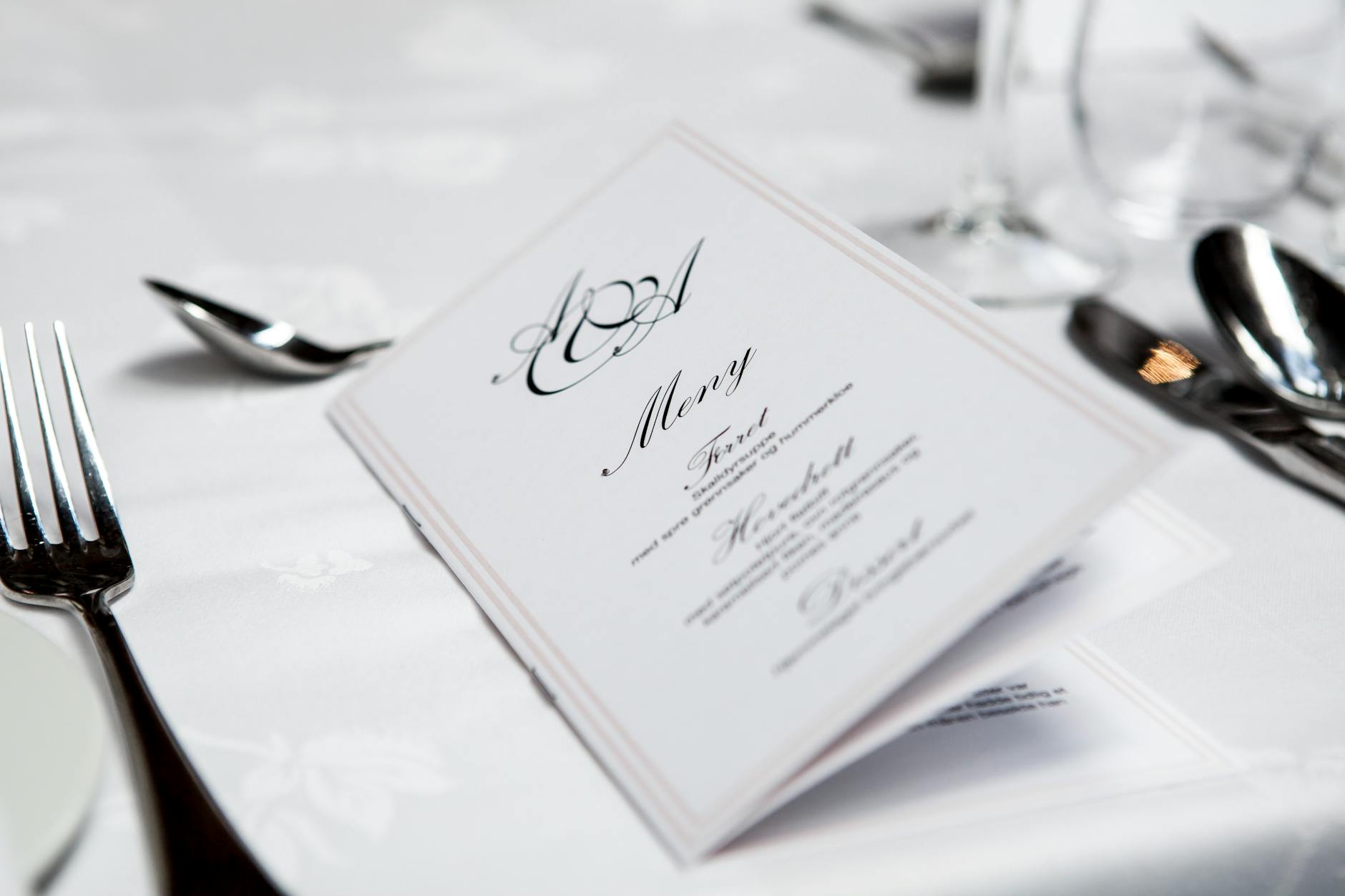
Photo by Terje Sollie
Gathering Inspiration for Your Logo
In the creative process, inspiration can be a game-changer. Look for culinary logo inspiration that resonates with your vision.
Exploring Culinary Logo Examples
Analyzing successful culinary event logos can guide your design decisions. Observe colors, fonts, and imagery that attract you. Take note of how these elements work together to convey a strong brand identity.
Utilizing Online Resources for Inspiration
Visit platforms like Pinterest, Behance, or even Logo Maker Shop to find diverse logo ideas. These sites feature an array of designs that can help spark your creativity as you set out to craft your logo.
Key Elements of Logo Design
Your logo is a visual representation of your culinary event, so incorporating the key elements of design is essential.
Color Psychology in Food Branding
Colors play a critical role in branding. They evoke emotions and can impact how people perceive your food. For instance, green often signifies freshness and health, while red can stimulate appetite. Choose a color palette that aligns with your event's theme and culinary offerings.
Choosing the Right Typography
Font selection can affect the readability and overall personality of your logo. Opt for fonts that match your event's atmosphere. Elegant scripts can elevate a formal event, while bold, playful fonts might suit a more casual affair.
Incorporating Imagery that Reflects Your Event
Enhance your logo by integrating imagery that reflects your culinary focus. Consider using food icons or symbols that represent your event’s primary offerings. These visuals can quickly communicate your theme and entice potential attendees.
Creating Your Logo with Logo Maker Shop
Now that you’ve gathered inspiration and identified key elements, it’s time to create your logo using the Logo Maker Shop. This user-friendly platform simplifies the design process.
Choosing a Logo Template
Begin by selecting a logo template that aligns with your culinary theme. The Logo Maker Shop offers a variety of professionally designed templates tailored for food events. Choose a template that resonates with your event’s brand identity.
Customizing Colors and Fonts
Once you have your template, it’s time to customize it. Alter the colors and fonts in the Logo Maker Shop interface to suit your style. This step allows you to bring your unique vision to life while ensuring your logo aligns with your event’s overall feel.
Adding Unique Elements to Your Design
Don't hesitate to make your logo distinct by adding personal touches. Use unique images, taglines, or icons that represent your culinary event. Personalization will help your logo stand out in a crowded market.
Refining Your Logo Design
Designing your logo is not the last step; refining it through feedback is crucial.
Seeking Feedback from Peers
After creating your initial design, share it with friends or colleagues who have an eye for detail. Their perspectives can uncover insights you may have missed and help refine your logo’s appeal.
Making Adjustments Based on Feedback
Be open to constructive criticism. Use the feedback to iterate on your design. Adjusting elements or colors based on others' observations can elevate your logo from good to great.
Finalizing and Using Your Logo
Once you’re satisfied with your logo, follow these final steps to prepare it for use.
Exporting Your Logo for Various Platforms
When exporting your logo, ensure you save it in multiple formats (like PNG, JPEG, and SVG) suitable for both online and print mediums. This versatility will enable you to use your logo in marketing materials, banners, social media, and more.
Integrating Your Logo into Event Marketing
Finally, incorporate your logo into all your event marketing efforts. Whether it’s on flyers, social media posts, or your event website, a consistent logo reinforces your brand identity and builds recognition.
Wrap Up and Next Steps
Creating a logo for your Culinary Delight Food Event is a vital step in establishing your brand. Your logo will be the face of your event, enchanting potential attendees and inviting them to experience your culinary delights. Start your design journey today with the Logo Maker Shop and watch your vision come to life!

Michael Harper is a Senior Content Strategist at MarketInsider.co, a premier source for insights on digital marketing and business trends. With over 15 years of expertise in content development and strategic communications, Michael is renowned for his ability to craft compelling narratives that resonate with diverse audiences. He holds a Bachelor’s degree in Journalism from New York University and a Master’s degree in Business Administration from Columbia Business School. Outside of work, Michael is passionate about historical literature and enjoys hiking the trails of the Pacific Northwest.